
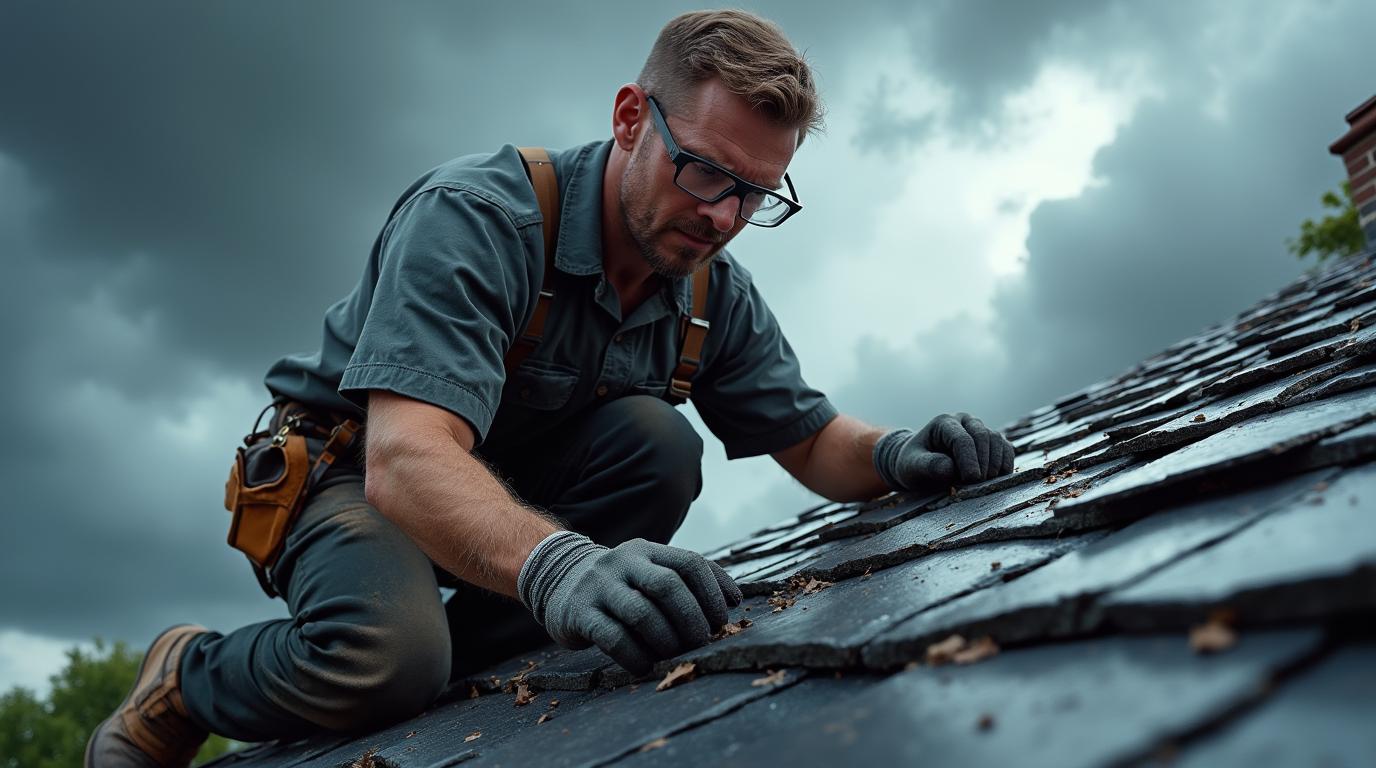
Slate Roof Specialists: 25 Years of Protecting Texas Homes with Natural Stone
For twenty-five years, our team has worked exclusively with slate roofing systems across Texas. We have installed, repaired, and maintained over 1,200 slate roofs. Our journey began with a single project in Kingwood and grew through hands-on experience. We hold certifications from the National Slate Association and are factory-trained installers for leading slate quarries. This article exists because homeowners often face confusion about slate roofs. Many receive conflicting information about cost, durability, and maintenance. Our goal is to provide clear, honest guidance based on real projects, not sales pitches. We want you to make informed decisions about your home's most important protection.
The information here comes directly from our field experience. We have compiled data from hundreds of customer projects over two decades. We reference manufacturer specifications from quarries like Vermont Structural Slate and Buckingham-Virginia Slate. We follow building codes from the International Residential Code (IRC) and local Texas requirements. Our recommendations are based on what actually works on homes, not just theory. We will explain the true lifespan of slate, realistic costs, and common installation mistakes. You will learn how to identify quality workmanship and avoid costly repairs. This is the knowledge we share with every homeowner considering a slate roof.
What Makes Slate Roofing Truly Unique
Slate is a natural metamorphic rock formed over millions of years. It splits into thin, durable sheets perfect for roofing. Unlike manufactured materials, each slate tile is unique in color and texture. This gives your home a distinctive, elegant appearance that synthetic products cannot replicate. The natural variations in slate create a roof that looks authentic and timeless. A properly installed slate roof can last 75 to 150 years, often outliving the house itself. This longevity makes it a sustainable choice, reducing waste from frequent replacements.
The Geological Advantage of Natural Slate
True roofing slate has specific mineral properties. It contains high levels of quartz and mica, which provide strength. Low absorption rates prevent water damage during freeze-thaw cycles. We source slate from quarries that meet ASTM C406 standards for roofing slate. This standard tests for modulus of rupture, absorption, and weathering resistance. Not all stone sold as "slate" meets these rigorous requirements. Some softer stones may look similar but will fail prematurely. Always verify the material meets ASTM standards before installation.
Comparing Slate to Other Premium Roofing Materials
Homeowners often compare slate to metal, clay tile, and premium asphalt shingles. Each material has different strengths. Metal roofs offer excellent durability but can be noisy during rainstorms. Clay tiles provide Mediterranean style but are heavier than slate. Premium asphalt shingles cost less initially but need replacement every 20-30 years. Slate offers the best combination of longevity, aesthetics, and fire resistance. It is naturally fireproof with a Class A fire rating. It also provides superior hail resistance compared to most materials. The initial investment is higher, but the lifetime cost is often lower.
The Critical Role of Specialized Installation
Slate installation requires completely different techniques than asphalt shingles. The weight demands proper structural evaluation first. A typical slate roof weighs 800-1,500 pounds per square (100 square feet). Your roof framing must support this weight safely. We always conduct a structural assessment before quoting any slate project. This includes checking rafters, decking, and load-bearing walls. Many older homes need reinforcement before slate installation. We follow the International Residential Code (IRC) Chapter 8 for roof-ceiling construction requirements.
Proper Underlayment and Flashing Systems
The materials beneath the slate are as important as the slate itself. We use two layers of underlayment for maximum protection. The first layer is a self-adhering ice and water shield in critical areas. These areas include valleys, eaves, and around penetrations. The second layer is a high-quality synthetic underlayment over the entire deck. This creates a secondary water barrier if any slate cracks. Flashing details require particular attention with slate. We use copper or lead-coated copper for all flashing components. These metals last as long as the slate and prevent galvanic corrosion.
Nailing Techniques and Slate Layout
Each slate tile requires two copper or stainless steel nails. The nails must penetrate the roof deck by at least 3/4 inch. We never use staples or adhesive alone for slate installation. The layout follows a specific pattern to prevent water infiltration. Each course overlaps the one below by at least 3 inches. The vertical joints are staggered to prevent alignment. This creates multiple layers of protection against wind-driven rain. We calculate the exposure based on the slate size and roof pitch. Proper exposure ensures water sheds effectively without overloading the structure.
Understanding the True Cost of a Slate Roof
Slate roofing represents a significant investment in your home. Material costs range from $600 to $1,500 per square, depending on quality and origin. Installation labor adds $800 to $1,200 per square due to specialized skills required. A complete slate roof replacement for an average Texas home typically costs $25,000 to $60,000. Several factors influence the final price. These include roof complexity, accessibility, slate quality, and necessary structural upgrades. While expensive initially, slate offers exceptional value over time. Consider it over a 100-year lifespan rather than comparing annual costs.
Breakdown of Material and Labor Costs
Let's examine a recent 30-square project in The Woodlands. The homeowner chose medium-grade Vermont slate at $850 per square. Material costs totaled $25,500 for the slate alone. Underlayment, flashing, and fasteners added $4,500. Structural reinforcement for the older home cost $3,200. Installation labor required three specialists for three weeks at $12,600. The total project cost was $45,800. This roof carries a 75-year warranty and increased the home's value significantly. The homeowner financed the project through a home equity loan. Their monthly payment was comparable to a car payment for a lasting home improvement.
Long-Term Value and Return on Investment
Slate roofs consistently provide excellent return on investment. Remodeling Magazine's Cost vs. Value Report shows slate retains 65-85% of its value upon resale. This is higher than most home improvements. Insurance companies often offer premium discounts for slate roofs. The superior fire resistance can reduce homeowners insurance by 10-20%. Energy efficiency is another benefit. The thermal mass of slate helps regulate attic temperatures. This reduces cooling costs during hot Texas summers. When considering cost, factor in avoided replacement expenses. You will not need another roof in your lifetime with proper slate installation.
Selecting the Right Slate Material for Your Home
Not all slate is created equal. Different quarries produce slate with varying characteristics. The three main types are unfading, semi-weathering, and weathering slate. Unfading slate maintains its color for centuries with minimal change. Semi-weathering slate develops a patina over 20-50 years. Weathering slate changes color more rapidly, often within 5-10 years. Homeowners should understand these differences before selection. We recommend unfading slate for consistent appearance over time. Popular sources include Vermont, Pennsylvania, and Virginia quarries. Each region produces distinct colors and textures.
Grade Classifications and Quality Standards
The National Slate Association defines three quality grades. Grade S-1 is the highest quality with virtually no imperfections. It has consistent thickness, straight edges, and uniform cleavage. Grade S-2 allows minor variations in thickness and some edge irregularities. Grade S-3 has more noticeable variations but remains functional. We typically specify Grade S-1 or S-2 for residential projects. The higher initial cost ensures better performance and appearance. Always request grade certification from the quarry or distributor. Reputable suppliers provide test reports showing compliance with ASTM standards.
Color Variations and Aesthetic Considerations
Slate comes in multiple natural colors without artificial dyes. Common colors include black, gray, green, purple, and red. Multicolored slate blends several hues in each tile. The color depends on the mineral composition of the quarry. Black slate contains carbonaceous material. Green slate gets its color from chlorite minerals. Red and purple slates contain iron oxide. Consider your home's architectural style when choosing colors. Traditional homes often suit gray or black slate. Victorian or historic homes may benefit from multicolored patterns. Request actual samples, not just photographs, to see true color variations.
The Slate Installation Process: Step by Step
Proper slate installation follows a meticulous sequence. Skipping steps or taking shortcuts leads to premature failure. The process begins with complete removal of the existing roof. We never install slate over existing roofing materials. This allows inspection of the entire roof deck. Any damaged sheathing is replaced with exterior-grade plywood or oriented strand board. We install drip edge metal along all eaves and rakes. This directs water away from the fascia and into gutters. Next comes the ice and water shield in critical areas. We extend it at least 24 inches inside the exterior wall line.
The synthetic underlayment follows, installed horizontally from the eaves upward. Each course overlaps the one below by at least 4 inches. We secure it with cap nails to prevent wind uplift. Chalk lines mark the slate layout across the entire roof. These lines ensure straight courses and proper alignment. Installation begins at the eaves with starter courses. These may be double courses or specially cut slates. The field installation proceeds upward toward the ridge. Each slate receives two nails placed precisely 1 inch from the edge. We never over-drive nails, as this can fracture the slate.
Valleys require special attention with slate. We typically use open metal valleys for best water flow. The slate is cut to follow the valley line with a 3-inch clearance. Flashing around chimneys, skylights, and walls uses step flashing. Each piece integrates with the slate courses above and below. Ridge installation completes the roof using special ridge slates or hip units. These are bedded in mortar or secured with copper nails. The final step is a thorough cleaning to remove mortar residue and debris. The entire process takes 2-4 weeks for an average home.
Essential Maintenance for Slate Roof Longevity
While slate requires minimal maintenance, some care extends its life dramatically. Annual inspections are the most important maintenance task. We recommend professional inspections every 2-3 years. Homeowners can perform visual checks from the ground each season. Look for displaced, cracked, or missing slates. Also check for moss or lichen growth in shaded areas. Keep gutters clean and free-flowing to prevent water backup. Trim overhanging tree branches to reduce debris accumulation. Never allow vines to grow on or under the slate. Their roots can lift slates and trap moisture against the roof deck.
Common Repair Scenarios and Solutions
Even the best slate roofs may need occasional repairs. The most common issue is broken slates from impact or weathering. Replacement requires removing the damaged slate without disturbing surrounding ones. We use specialized tools called slate rippers to extract broken pieces. The new slate slides into place and is secured with copper tabs. Another common repair involves flashing deterioration. Copper flashing can last centuries but may need re-sealing at mortar joints. We remove old mortar, clean the area, and apply new mortar or sealant. Valley repairs address wear from water flow. Sometimes adding a wider metal valley liner solves drainage issues.
When to Consider Restoration vs. Replacement
Many older slate roofs can be restored rather than replaced. Restoration involves several steps. First, we remove all existing slates carefully. Each slate is inspected, cleaned, and sorted. Damaged slates are replaced with matching material. The roof deck receives new underlayment and flashing. The original slates are then reinstalled in their original pattern. Restoration costs 40-60% of complete replacement. It preserves the historical character of older homes. Replacement becomes necessary when too many slates are damaged. If more than 30% require replacement, complete re-roofing is usually more economical. We help homeowners evaluate both options objectively.
Real Project Case Studies: Lessons from the Field
Case Study 1: Historic Home in Galveston. This 1920s home had original slate in poor condition. The homeowner wanted to preserve the historical integrity. We conducted a complete restoration rather than replacement. We removed 8,000 original slates, repaired 15% of them, and reinstalled the rest. New copper flashing and underlayment provided modern protection. The project took six weeks and cost $38,000. The alternative replacement with new slate would have cost $65,000. The restoration maintained the home's historical designation and character.
Case Study 2: Modern Home in Sugar Land. This 15-year-old home had a failing asphalt roof. The homeowners wanted a permanent solution. We installed Vermont unfading slate in charcoal gray. The project included structural reinforcement for the heavier material. We also added snow guards for aesthetic appeal. The total cost was $52,000 for 35 squares. The homeowners financed through a home improvement loan. Their insurance premium decreased by 18% due to the superior fire rating. They report lower cooling bills and increased home value appraisal.
Frequently Asked Questions About Slate Roofs
How long does a slate roof really last?
Properly installed slate from quality quarries lasts 75-150 years. The lifespan depends on slate quality, installation methods, and maintenance. We have inspected 100-year-old slate roofs still performing well. The key factors are using ASTM-certified slate and proper installation techniques. Regular maintenance extends the life significantly. Avoid walking on the roof unnecessarily, as this can break slates.
Can my existing roof structure support slate?
Most homes built after 1950 can support slate with proper engineering. Older homes often need reinforcement. We always conduct a structural assessment before installation. This includes evaluating rafters, ceiling joists, and load-bearing walls. Reinforcement typically involves adding sister rafters or collar ties. The cost for structural upgrades ranges from $2,000 to $10,000 depending on the home.
Is slate roofing worth the high initial cost?
Yes, when considering lifetime value. Compare slate over 100 years versus asphalt over 30 years. You would replace asphalt 3-4 times during one slate roof's life. Each replacement costs $15,000-$25,000. The total asphalt cost exceeds slate over time. Slate also increases property value more than other materials. Many homeowners consider it a legacy investment for future generations.
How do I clean moss from my slate roof?
Never pressure wash slate, as this can damage the surface. Instead, use a soft brush and mild cleaning solution. Mix oxygen bleach with water according to manufacturer instructions. Apply with a garden sprayer and let sit for 15 minutes. Gently brush affected areas. Rinse thoroughly with low-pressure water. Consider installing zinc or copper strips along the ridge to prevent future growth.
What warranty comes with a slate roof?
Quality slate carries a material warranty of 75-100 years from the quarry. Installation warranties vary by contractor. We provide a 25-year workmanship warranty on all slate installations. This covers proper installation methods and materials. The warranty transfers to new homeowners if you sell the property. Always get warranties in writing from both material supplier and installer.
Can slate roofs withstand Texas hail storms?
Yes, slate has excellent hail resistance. It typically withstands hail up to 2 inches in diameter without damage. The natural stone is much harder than asphalt or wood. We recommend selecting thicker slate (3/8 inch minimum) for hail-prone areas. Proper installation with adequate underlayment provides additional protection. Document any hail damage for insurance purposes with photographs.
How often should I have my slate roof inspected?
Professional inspections every 2-3 years are ideal. Schedule inspections after major storms with hail or high winds. Spring and fall are good times for routine checks. Look for cracked, loose, or missing slates between professional inspections. Also check flashing around chimneys and vents. Keep records of all inspections and repairs for insurance and future reference.
Industry Statistics and Data Points
The National Slate Association reports several key statistics. Only 1% of new residential roofs in the U.S. use natural slate. However, this represents approximately 30,000 slate roofs installed annually. The average cost has increased 35% over the past decade due to material scarcity. Properly maintained slate roofs have a failure rate of less than 0.5% per year. This compares to 2-3% for asphalt shingles. Insurance claim data shows slate roofs have 60% fewer weather-related claims than other materials. These statistics come from the National Association of Home Builders and insurance industry reports.
Step-by-Step Guide to Hiring a Slate Specialist
- Verify credentials and certifications. Look for National Slate Association certification or factory training from quarries.
- Check references and portfolio. Ask for addresses of recent slate projects you can drive by and see.
- Review insurance coverage. Ensure they carry general liability and workers' compensation insurance.
- Get detailed written estimates. These should include material specifications, labor breakdown, and warranty terms.
- Understand the timeline. Slate installation takes 2-4 weeks depending on weather and complexity.
- Review the contract thoroughly. Ensure it includes cleanup, disposal, and final inspection procedures.
- Discuss payment schedule. Never pay more than 10% deposit before work begins.
Conclusion: Making an Informed Decision About Slate
Slate roofing represents the pinnacle of roofing materials. Its beauty, durability, and longevity are unmatched by synthetic products. The initial investment is substantial but justified over a century of service. Proper installation by certified specialists is non-negotiable. Cutting corners with materials or labor leads to expensive failures. We have seen too many homeowners pay twice for poor slate installations. Your next steps should include research and consultation. Gather multiple estimates from qualified slate specialists. Ask detailed questions about their experience and methods. Request to see completed projects in person. Review material samples and warranty documents carefully.
Consider your home's architecture and your long-term plans. Slate makes most sense if you plan to stay in your home 10+ years. It adds significant value for future resale. Maintenance requirements are minimal but important. Budget for professional inspections every few years. Address minor repairs promptly to prevent larger issues. Slate roofing connects your home to centuries of building tradition. It provides protection that can span generations. With proper selection and installation, your slate roof will become a defining feature of your home. It will provide security, beauty, and value for decades to come. We hope this comprehensive guide helps you make the best decision for your home and family.