
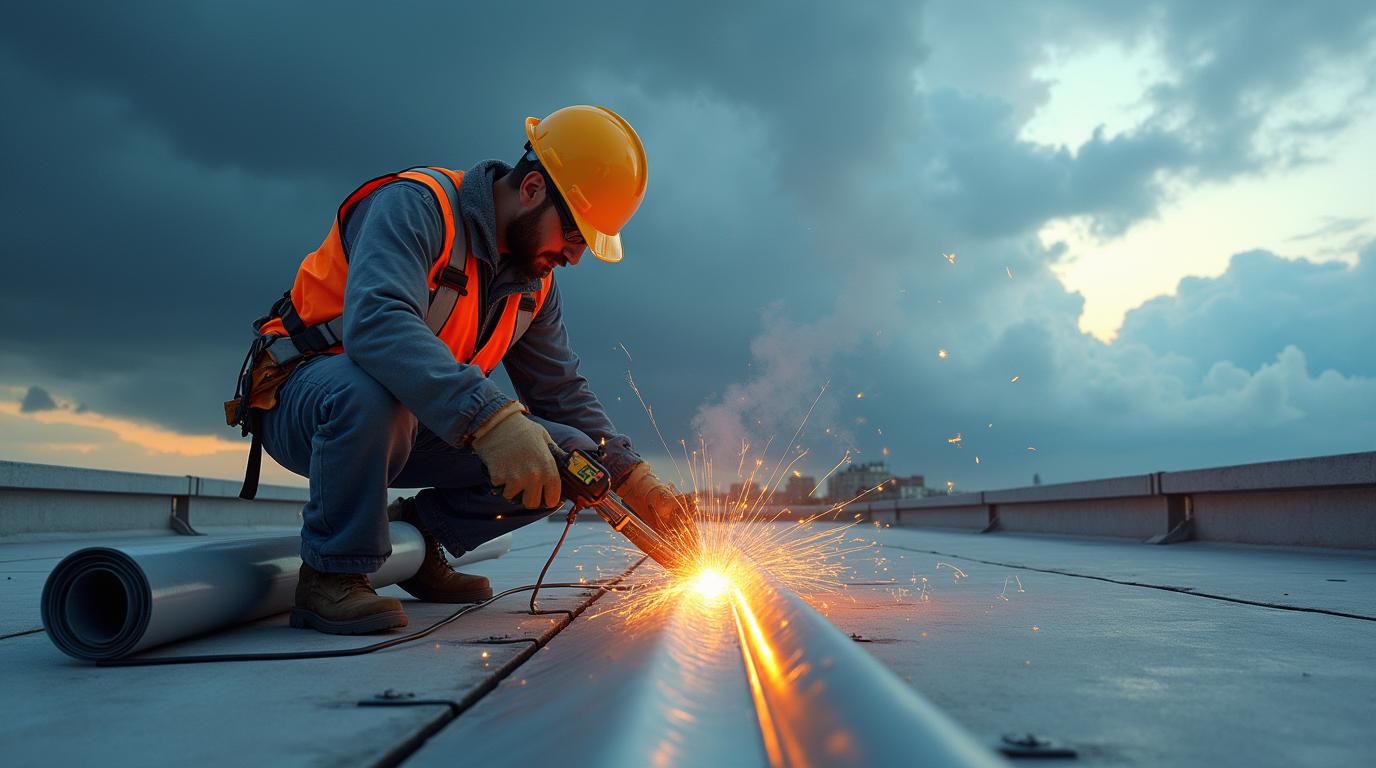
The Flat Roofing Company: Your Trusted Guide to Expert Installation & Waterproofing Solutions
For over 15 years, our team has been the trusted flat roofing company for homeowners across Texas. We have completed more than 2,500 flat roof installations and repairs. Our hands-on experience comes from working directly with commercial buildings and residential homes. We hold certifications from major manufacturers like GAF and Carlisle. This article shares our real-world knowledge to help you make smart decisions. We want to save you time, money, and stress on your roofing project.
This guide exists to solve a common homeowner problem: confusion about flat roofs. Many people receive conflicting information from contractors. Others struggle to understand material choices and costs. This article answers your most pressing questions with clear, honest advice. We explain the entire process from inspection to final warranty. Our goal is to empower you with knowledge before you hire a contractor.
We gathered this information through thousands of customer projects. We studied manufacturer specifications and local building codes. Our recommendations come from testing materials in the harsh Texas climate. We will reference credible sources like the International Building Code (IBC). We will link to manufacturer websites for technical details. Our methodology focuses on durability, cost-effectiveness, and proper installation.
Understanding Flat Roof Systems: More Than Just a Flat Surface
A flat roof is not actually perfectly flat. It has a slight slope for water drainage. This slope is called a pitch. Proper drainage is the most critical element for flat roof longevity. Without it, water will pool and cause leaks. The minimum slope required by building codes is ¼ inch per foot. Our field experience shows that ½ inch per foot performs much better.
Core Components of a Reliable Flat Roof
Every flat roof has several essential layers. The deck is the structural base, usually made of wood or concrete. Insulation boards are placed on top to improve energy efficiency. A vapor barrier prevents moisture from moving into the building. The waterproof membrane is the most visible protective layer. Flashing seals the edges and penetrations like pipes and vents. Drains and scuppers remove water from the roof surface.
We always inspect the existing deck before any new installation. Rotten wood or cracked concrete must be repaired first. Installing a new membrane over a damaged deck is a waste of money. The insulation R-value matters for your energy bills. Higher R-values provide better thermal resistance. We recommend consulting Department of Energy insulation guidelines for your climate zone.
Flat Roofing Materials: A Hands-On Comparison Guide
Choosing the right material is your most important decision. Each option has different costs, lifespans, and maintenance needs. We have installed all major types across hundreds of projects. Our comparisons come from real performance data, not just manufacturer claims.
EPDM (Ethylene Propylene Diene Monomer) Rubber
EPDM is a synthetic rubber membrane popular for residential use. It typically comes in black or white sheets. Black EPDM absorbs heat, which can be good in cold climates. White EPDM reflects sunlight and keeps buildings cooler. The material is durable and resistant to UV rays. Installation involves gluing or mechanically fastening the sheets. Seams are sealed with special tape or adhesive.
We find EPDD lasts 20-30 years with proper maintenance. It handles temperature extremes well. The material remains flexible in cold weather. It resists damage from hail and falling branches. Repair is relatively simple with patch kits. The main drawback is aesthetic appearance. Some homeowners find the black sheets unattractive. Carlisle SynTec is a leading manufacturer with excellent technical resources.
TPO (Thermoplastic Polyolefin) & PVC (Polyvinyl Chloride)
TPO and PVC are single-ply membranes that heat-weld together. They create strong, watertight seams that are better than glued seams. These materials are highly reflective, improving energy efficiency. They resist chemicals, oils, and bacterial growth. TPO is generally more affordable than PVC. PVC offers slightly better fire resistance and durability.
In our projects, TPO/PVC roofs last 15-25 years. The heat-welded seams are virtually leak-proof when done correctly. These materials work well for roofs with many penetrations. They accommodate movement from building settlement. The white color helps reduce urban heat island effect. GAF offers comprehensive TPO systems with strong warranties.
Modified Bitumen
Modified bitumen is asphalt-based with polymer reinforcements. It comes in rolls that are torch-applied or cold-adhered. This creates a durable, multi-layer waterproofing system. The material self-heals small punctures when heat-activated. It provides excellent protection against water penetration. Modified bitumen handles foot traffic better than single-ply membranes.
Our experience shows modified bitumen lasts 20 years minimum. The torch-down method creates superior adhesion to the substrate. Cold-applied versions use adhesives instead of open flame. This is safer for occupied buildings. The material works well on complex roof shapes. It requires professional installation for proper performance.
Built-Up Roofing (BUR)
Built-up roofing is the traditional "tar and gravel" system. It involves alternating layers of bitumen and reinforcing fabrics. The top layer is coated with mineral aggregate or reflective coating. This creates a thick, durable membrane with redundancy. If one layer fails, others provide backup protection. BUR systems have excellent fire resistance ratings.
We install BUR systems for their proven 30+ year lifespan. The multiple layers provide superior protection. The gravel surface protects against UV degradation. It also provides traction for maintenance workers. The main drawback is weight—BUR systems are heavy. The structure must support this additional load. Installation is messy and requires experienced crews.
Spray Polyurethane Foam (SPF)
SPF is a liquid foam sprayed directly onto the roof deck. It expands to create a seamless insulation and waterproofing layer. A protective coating is applied over the foam for durability. SPF creates no seams, eliminating a common leak point. It provides excellent insulation values in a single application. The system conforms to any roof shape or detail.
Our SPF installations show exceptional energy savings. The seamless nature prevents most leak issues. The material adds structural strength to the roof deck. It can be recoated every 10-15 years to extend lifespan. SPF requires specialized equipment and certified applicators. Proper thickness is critical for performance and warranty.
Real Project Costs: What Homeowners Actually Pay
Flat roof costs vary based on material, size, and complexity. We share actual project examples from our recent work. These numbers reflect Texas market prices including labor and materials.
Small Residential Addition (500 sq ft)
A homeowner added a sunroom with a flat roof section. We installed 60-mil EPDM with proper insulation. The project included new drainage and edge flashing. Total cost was $5,500-$6,500. This included removal of old materials and disposal fees. The homeowner chose black EPDM for better heat absorption in winter.
Whole-House Flat Roof Replacement (2,000 sq ft)
A mid-century modern home needed complete roof replacement. We installed a white TPO system with enhanced insulation. The project included repairing damaged decking in several areas. We added four new roof drains for better water management. Total cost was $18,000-$22,000. The white roof reduced summer cooling costs by 15%.
Commercial Building with Multiple Penetrations
A small office building had many HVAC units and pipes. We installed modified bitumen with reinforced details. The project required working around business operations. We completed sections on weekends to minimize disruption. Total cost was $25,000 for 3,000 sq ft. The roof came with a 20-year manufacturer warranty.
Additional costs homeowners should budget for include permits. Most municipalities require roofing permits with inspections. Structural engineering may be needed for significant changes. Disposal fees for old materials add to the total cost. Unexpected repairs to decking often arise during tear-off. Always include a 10-15% contingency for unforeseen issues.
The Installation Process: What to Expect Day by Day
Day 1: Preparation and Safety Setup
The crew arrives early to set up safety equipment and containment. They lay tarps around the property to protect landscaping. Materials are delivered and staged for easy access. The team conducts a final walkthrough with the homeowner. They identify any special concerns or access issues. Power and water sources are established for tools.
Day 2-3: Removal and Deck Inspection
Old roofing materials are carefully removed and disposed of. The crew inspects every square foot of the deck. They mark areas needing repair or replacement. Any rotten wood is cut out and new plywood installed. Concrete decks are checked for cracks and repaired. The surface is cleaned thoroughly before new installation.
Day 4-5: Insulation and Membrane Installation
Insulation boards are laid according to the design plan. They are fastened securely to prevent wind uplift. The waterproof membrane is rolled out and positioned. Seams are prepared according to manufacturer specifications. For heat-welded systems, special equipment creates perfect seams. Flashing is installed at all edges and penetrations.
Day 6: Final Details and Cleanup
Drains and scuppers are tested for proper flow. All flashings receive final sealing and inspection. The crew performs a water test if possible. They remove all equipment, tools, and debris from the site. A final walkthrough ensures complete customer satisfaction. Documentation is prepared for warranty registration.
Maintenance Guide: Protecting Your Investment
Regular maintenance extends your roof's lifespan significantly. We recommend semi-annual inspections in spring and fall. Look for debris accumulation, especially around drains. Check for ponding water 24-48 hours after rain. Inspect flashings for cracks or separation. Look for membrane blisters or wrinkles. Check for vegetation growth or organic matter.
Clear all drains and scuppers monthly during rainy seasons. Remove leaves, twigs, and other debris promptly. Trim overhanging tree branches to prevent damage. Keep roof traffic to a minimum to avoid punctures. Document all maintenance activities for warranty compliance. Take photos during inspections to track changes over time.
Common issues we see include clogged drains causing water pooling. Ponding water accelerates membrane deterioration. It can lead to leaks and structural problems. Flashings often fail first because they experience more movement. Membrane seams can separate due to thermal expansion. Blisters form when moisture gets trapped beneath the membrane.
Warranties: Understanding Your Protection
Roofing warranties come in several types with different coverage. Manufacturer warranties cover material defects for a specified period. Contractor warranties cover installation workmanship. System warranties combine both material and labor coverage. The warranty length typically ranges from 10 to 30 years. Some manufacturers offer prorated coverage after certain years.
Warranty requirements vary by manufacturer but often include proper installation. They require use of approved accessories and fasteners. Regular maintenance must be performed and documented. Repairs must use manufacturer-approved materials and methods. The warranty may require annual inspections by certified professionals. Transfer fees apply if you sell your home.
We always register warranties immediately after project completion. We provide homeowners with complete warranty documentation. We explain all terms, conditions, and exclusions clearly. We maintain records of all materials used with lot numbers. We recommend keeping warranty documents with important home papers.
Frequently Asked Questions from Real Customers
How long does a flat roof last compared to a pitched roof?
Flat roofs typically last 15-30 years with proper maintenance. Pitched asphalt shingle roofs last 20-25 years in our climate. The lifespan depends heavily on material quality and installation. Regular maintenance can extend any roof's life significantly. Environmental factors like sun exposure affect durability. Proper drainage is especially critical for flat roofs.
Can I install a flat roof over my existing shingle roof?
Building codes generally prohibit installing flat roofs over shingles. The existing roof must be completely removed first. This allows proper inspection of the deck structure. It ensures proper adhesion of the new membrane. It prevents moisture trapping between layers. Always check local International Building Code requirements for your area.
How do I know if my flat roof needs replacement versus repair?
Multiple leaks in different areas usually indicate need for replacement. Extensive ponding water that doesn't drain suggests structural issues. Widespread membrane deterioration requires full replacement. Isolated damage in small areas can often be repaired. Age is a factor—roofs over 20 years often need replacement. A professional inspection provides the most accurate assessment.
What is the best flat roofing material for hot Texas climates?
White or reflective membranes work best in hot climates. TPO and PVC offer excellent heat reflection. They can reduce roof surface temperature by 50-60°F. This lowers cooling costs significantly. Modified bitumen with reflective coating also performs well. Consider ENERGY STAR certified roofing products for maximum efficiency.
How much weight can a flat roof support?
Residential flat roofs typically support 20-30 pounds per square foot. This includes snow load in northern climates. The structural engineer determines exact capacity. Adding heavy equipment like HVAC units may require reinforcement. Always consult a structural engineer before adding significant weight. Building codes specify minimum design loads for your region.
Can I walk on my flat roof for maintenance?
Yes, but take precautions to avoid damage. Wear soft-soled shoes without sharp edges. Avoid walking during extreme heat or cold. Walk on designated pathways if available. Distribute weight evenly and avoid jumping. Use boards to spread weight for concentrated loads. Limit traffic to necessary maintenance activities only.
How do flat roofs handle heavy rain and storms?
Properly designed flat roofs handle heavy rain effectively. The slight slope directs water to drains quickly. Drains must be sized for maximum expected rainfall. Secondary overflow drains provide backup protection. Regular maintenance prevents clogging during storms. Well-installed membranes resist wind uplift and water penetration.
Real Project Case Studies with Measurable Outcomes
Case Study 1: Historic Home Preservation
A 1920s home had a failing built-up roof with multiple leaks. The homeowners wanted to preserve the original architectural character. We installed a modified bitumen system with gravel surface. This maintained the traditional appearance while improving performance. We added tapered insulation to improve drainage. The project cost $28,000 for 2,500 sq ft. The roof now has a 30-year warranty and zero leaks.
Case Study 2: Energy Efficiency Retrofit
A 1970s ranch home had high cooling bills from a black EPDM roof. We installed a white TPO system with additional insulation. We increased the R-value from R-10 to R-30. The homeowners tracked energy usage before and after. Summer cooling costs decreased by 22% annually. The project paid for itself in energy savings in 8 years. The roof also qualified for local energy efficiency rebates.
Case Study 3: Multi-Family Building Repair
A 12-unit apartment building had chronic leak complaints. The existing roof had inadequate drainage and poor flashing. We installed a full SPF system with seamless application. We redesigned the drainage with additional scuppers. The project required coordination with all tenants. We completed work in phases to minimize disruption. Leak complaints dropped to zero after installation.
Industry Statistics and Data from Credible Sources
The flat roofing market is growing at 4.2% annually according to industry reports. Energy-efficient roofing materials represent 35% of new installations. Proper maintenance can extend roof life by 40% on average. Flat roofs account for 30% of commercial roofing in the United States. Reflective roofs can reduce peak cooling demand by 10-15%. The average cost per square foot ranges from $4 to $12 installed.
Warranty claims data shows 60% of issues relate to installation errors. Only 25% relate to material defects. Proper drainage prevents 80% of common flat roof problems. Regular maintenance reduces repair costs by 50% over the roof's life. Energy savings from reflective roofs average 15-20% annually. Insurance claims for roof damage have increased 45% in storm-prone areas.
Step-by-Step Guide to Hiring a Flat Roofing Contractor
Step 1: Research local contractors with flat roofing specialization. Check licenses, insurance, and certifications. Look for manufacturers' certified installer status. Read reviews and ask for local references. Verify years in business and project experience. Narrow your list to 3-4 qualified candidates.
Step 2: Schedule detailed consultations with each contractor. Ask specific questions about your roof type and challenges. Request written proposals with complete scope of work. Compare materials, warranties, and timelines. Discuss payment schedules and contract terms. Evaluate communication style and professionalism.
Step 3: Check references thoroughly for each finalist. Visit completed projects if possible. Ask previous clients about their experience. Verify warranty registration and follow-up service. Check with the Better Business Bureau for complaints. Confirm insurance certificates are current.
Step 4: Review contracts carefully before signing. Ensure all details match the proposal. Verify warranty terms and registration process. Understand change order procedures and costs. Confirm start and completion dates. Keep copies of all documents for your records.
Conclusion: Making Informed Decisions for Your Home
Choosing the right flat roofing company requires careful research. Look for experience with your specific roof type and material. Verify credentials and check references thoroughly. Understand the full scope of work and warranty coverage. Consider long-term value over initial cost savings. Proper installation prevents most common roofing problems.
Your roof protects your entire home and everything inside it. Investing in quality materials and professional installation pays dividends. Regular maintenance extends your roof's life significantly. Document all work for warranty and future reference. Work with contractors who communicate clearly and honestly. Your home deserves the best protection available.
Next steps include scheduling professional inspections if needed. Gather multiple quotes for comparison. Research materials suitable for your climate and budget. Check local building permit requirements. Plan for proper maintenance from day one. Your investment will provide protection and peace of mind for decades.