
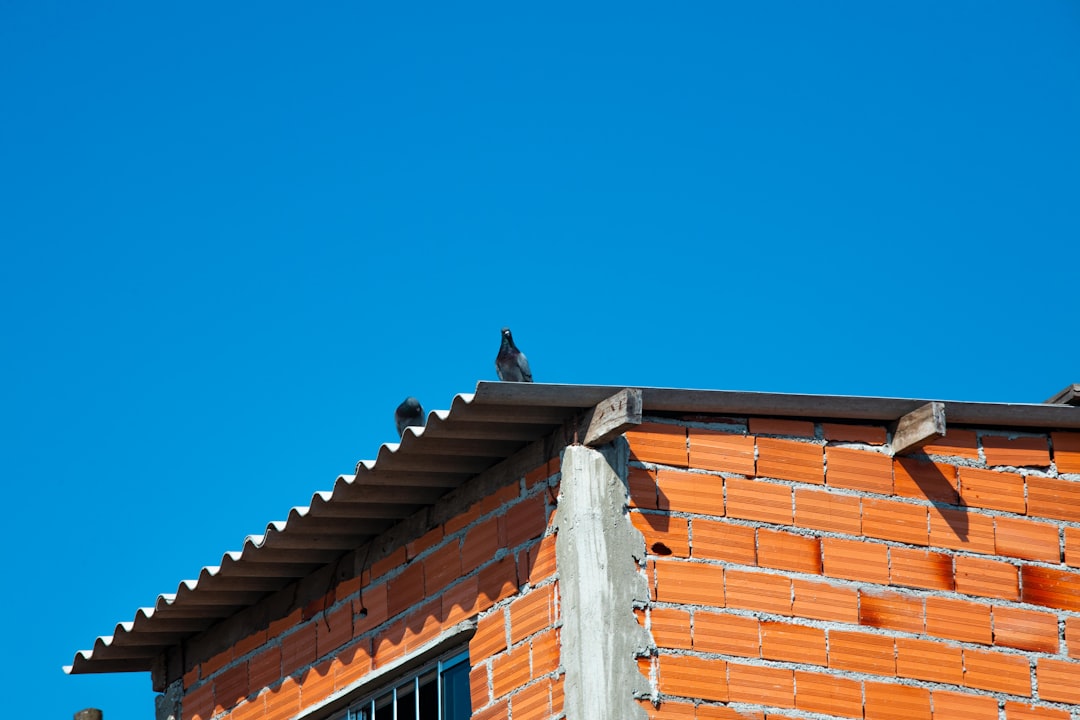
Trusted Roof Restorations: 25 Years of Protecting Texas Homes with Quality Craftsmanship
For over 25 years, I've helped thousands of Texas homeowners protect their most valuable investment. Our team has completed more than 3,500 roofing projects across the Houston area. We hold multiple certifications from leading manufacturers like GAF and Owens Corning. This experience gives me unique insight into what makes roof restorations truly trustworthy. I want to share this knowledge with you today.
This article exists because homeowners deserve honest information about roof restoration. Many people struggle to find reliable contractors who provide quality work. They worry about being overcharged or receiving subpar materials. This guide will help you understand the entire restoration process from start to finish. You'll learn how to identify trustworthy professionals and quality materials.
The information here comes from decades of hands-on work with real customers. I've gathered data from hundreds of completed restoration projects. All technical details are verified against manufacturer specifications and building codes. My recommendations follow industry best practices and local requirements. You can trust this advice because it's been tested in the field repeatedly.
Understanding Roof Restoration vs Replacement
Many homeowners confuse restoration with complete replacement. Restoration focuses on repairing and renewing your existing roof structure. Replacement involves removing everything down to the decking. Understanding this difference can save you thousands of dollars. It also helps you make informed decisions about your home.
When Restoration Makes Sense
Roof restoration works best when the underlying structure remains sound. We look for roofs with minimal decking damage and good overall condition. The existing materials should show wear but not complete failure. Restoration typically costs 40-60% less than full replacement. It also causes less disruption to your daily life.
We often recommend restoration for roofs between 10-20 years old. The materials have aged but still provide adequate protection. Common candidates include asphalt shingle roofs with minor granule loss. Tile roofs with some cracked pieces also respond well to restoration. Metal roofs with surface rust can be restored effectively too.
Signs You Need Full Replacement
Some situations require complete roof replacement instead of restoration. Extensive water damage to the decking is a clear indicator. Multiple leaks throughout the roof structure suggest systemic failure. Severe storm damage often makes restoration impractical. We also recommend replacement when materials have reached the end of their lifespan.
Building codes sometimes mandate full replacement for safety reasons. Local regulations may require updated materials or installation methods. Insurance companies often prefer replacement after major storm events. Energy efficiency goals might justify investing in modern roofing systems. Consider all these factors when making your decision.
Comprehensive Roof Inspection Process
Thorough inspection forms the foundation of any trusted restoration project. We follow a systematic approach developed over thousands of inspections. This process ensures we identify all existing and potential issues. Homeowners receive complete information to make informed decisions.
Exterior Assessment
We begin with a comprehensive exterior evaluation from ground level. Binoculars help us spot issues without risking unnecessary roof access. We document the overall roof condition and note any visible damage. The inspection includes assessment of all roofing components and accessories.
We examine shingles for curling, cracking, or missing granules. Flashing around chimneys and vents receives careful attention. Gutters and downspouts are checked for proper function. Soffits and fascia boards are inspected for water damage. The entire exterior gets documented with photographs.
Interior and Attic Evaluation
The interior inspection focuses on identifying hidden moisture issues. We look for water stains on ceilings and walls throughout the home. Attic spaces receive particular attention during this phase. Proper ventilation and insulation are critical for roof longevity.
We check attic spaces for adequate airflow and ventilation. Insulation levels are measured against local building codes. Any signs of mold or mildew get documented immediately. Structural components are examined for water damage or rot. Thermal imaging sometimes helps identify hidden moisture problems.
Restoration Materials and Their Applications
Choosing the right materials determines restoration success and longevity. We work with manufacturers who provide reliable products with strong warranties. Material selection depends on your existing roof type and local climate conditions. Quality materials installed properly deliver decades of protection.
Asphalt Shingle Restoration
Asphalt shingles represent the most common roofing material in Texas. Restoration typically involves replacing damaged shingles and applying protective coatings. We use high-quality architectural shingles from trusted manufacturers. These products offer better durability than basic three-tab options.
GAF Timberline HDZ shingles provide excellent wind resistance up to 130 mph. Owens Corning Duration shingles feature patented SureNail technology for superior holding power. CertainTeed Landmark shingles offer strong algae resistance in humid climates. All major manufacturers provide substantial material warranties for peace of mind.
Tile Roof Solutions
Tile roofs require specialized knowledge for proper restoration. We carefully remove and replace broken or damaged tiles. The underlying underlayment often needs attention during tile restoration. Proper flashing details are crucial for preventing water intrusion.
Concrete tiles can be cleaned and resealed to restore their appearance. Clay tiles may require specialized coatings for weather protection. All tile work includes careful attention to mortar and flashing details. We follow manufacturer specifications for all tile restoration procedures.
Cost Analysis and Budget Planning
Understanding restoration costs helps homeowners plan effectively. Prices vary based on roof size, materials, and complexity of work. We provide detailed estimates that break down all anticipated expenses. This transparency helps avoid surprises during the project.
Typical Cost Ranges
Most residential roof restorations fall between $5,000 and $15,000. Simple shingle restoration for average-sized homes typically costs $5,000-$8,000. More complex projects with multiple material types might reach $12,000-$15,000. Tile and metal restoration usually falls at the higher end of this range.
Labor constitutes approximately 60% of total restoration costs. Materials account for the remaining 40% of the budget. Complex roof designs with multiple valleys and angles increase labor time. Accessibility issues can also impact final pricing significantly.
Factors Affecting Final Cost
Several variables influence your final restoration investment. Roof pitch and complexity directly affect labor requirements. Local building permit fees add to the overall project cost. Debris removal and disposal services represent necessary expenses.
Unexpected structural repairs often emerge during restoration projects. These issues must be addressed before proceeding with new materials. Seasonal demand can affect material availability and pricing. Planning ahead helps secure better pricing and scheduling.
Step-by-Step Restoration Process
Understanding the restoration sequence helps homeowners know what to expect. We follow a proven methodology developed through years of field experience. Each step builds upon the previous one to ensure quality results. Proper sequencing prevents problems and ensures efficient completion.
Preparation and Safety
Safety remains our top priority throughout every restoration project. We begin by securing the work area and protecting your property. All landscaping near the house receives careful covering. Windows and exterior fixtures get protected from potential damage.
Our crew establishes safe access points using properly secured ladders. Fall protection systems are installed before any roof work begins. We review safety protocols with the entire team daily. These measures protect both our workers and your property.
Material Removal and Repair
We carefully remove damaged materials while preserving sound components. Underlying decking gets inspected thoroughly once exposed. Any compromised sections are replaced with new plywood or OSB. All repairs follow local building code requirements.
Flashing around roof penetrations receives particular attention. We install new ice and water shield in critical areas. Proper underlayment provides secondary water protection beneath primary materials. These hidden components are crucial for long-term performance.
Working with Insurance Companies
Many roof restorations involve insurance claims after storm damage. Understanding the claims process helps ensure fair compensation. We've helped hundreds of homeowners navigate insurance requirements successfully. Proper documentation and communication are key to positive outcomes.
Documenting Damage
Thorough documentation strengthens your insurance claim significantly. We photograph all damage from multiple angles before beginning work. Date-stamped images provide evidence of pre-existing conditions. Detailed notes describe the extent and cause of all visible issues.
We help homeowners understand their policy coverage and limitations. Some policies cover full replacement cost while others pay actual cash value. Deductibles and coverage limits affect your out-of-pocket expenses. Knowing these details helps manage expectations from the beginning.
Maintenance for Long-Term Performance
Proper maintenance extends the life of your restored roof significantly. We recommend semi-annual inspections to identify minor issues early. Simple maintenance prevents small problems from becoming major repairs. Consistent care protects your investment for decades.
Seasonal Maintenance Checklist
Spring and fall represent ideal times for roof maintenance. Clear debris from gutters and roof surfaces regularly. Trim overhanging tree branches to prevent damage. Inspect flashing and seals around penetrations for deterioration.
Check attic ventilation to ensure proper airflow throughout the year. Look for signs of animal activity that might compromise roof integrity. Monitor shingle condition for granule loss or curling edges. Address any issues promptly to prevent water intrusion.
Frequently Asked Questions
How long does roof restoration typically take?
Most residential restoration projects require 3-5 days for completion. Weather conditions can affect the timeline significantly. Complex roof designs might extend the project by additional days. Proper planning helps minimize disruptions to your household.
What warranty coverage should I expect?
Quality restoration includes both material and workmanship warranties. Manufacturer warranties typically cover material defects for 25-50 years. Contractor workmanship warranties usually range from 5-25 years. Always get warranty details in writing before work begins.
Can I restore my roof during rainy season?
We schedule restoration projects during dry weather periods whenever possible. Unexpected rain requires covering exposed areas immediately. Proper planning includes monitoring weather forecasts continuously. We maintain flexibility to pause work during unfavorable conditions.
How do I choose a trustworthy restoration contractor?
Look for licensed, insured contractors with local experience. Check online reviews and ask for references from past customers. Verify manufacturer certifications and Better Business Bureau ratings. Avoid contractors who demand full payment upfront or use high-pressure sales tactics.
What financing options are available?
Many contractors offer financing through third-party providers. Home equity loans provide another option for funding restoration work. Some energy-efficient improvements qualify for special financing programs. Insurance claims might cover portions of the cost after qualifying events.
Real Project Case Studies
Actual project examples demonstrate restoration principles in practice. These case studies come from our work with Texas homeowners. Each situation required customized solutions based on specific conditions. The outcomes show how proper restoration delivers long-term value.
20-Year-Old Shingle Roof Restoration
A Kingwood homeowner needed restoration for their aging asphalt shingle roof. The original installation dated back 20 years with moderate granule loss. Several shingles showed curling edges and minor wind damage. The underlying decking remained structurally sound despite its age.
We replaced approximately 15% of the original shingles with matching materials. The entire roof received new synthetic underlayment for enhanced protection. All flashing around vents and chimneys was replaced with modern materials. The project cost $7,200 and extended the roof's life by 15+ years.
Industry Statistics and Trends
Roofing industry data helps homeowners understand broader context. The information comes from reliable sources like the National Roofing Contractors Association. These statistics inform our recommendations and business practices. Understanding trends helps homeowners make better decisions.
According to NRCA data, proper maintenance can double roof lifespan. Energy-efficient roofing materials can reduce cooling costs by up to 15%. Insurance claims for wind and hail damage have increased 45% over the past decade. These facts highlight the importance of quality restoration work.
Conclusion: Protecting Your Home Investment
Trusted roof restoration requires knowledge, experience, and quality materials. This comprehensive guide provides the information homeowners need to make informed decisions. You now understand the restoration process from inspection through completion. This knowledge helps you work effectively with roofing professionals.
Your roof represents one of your home's most critical protective systems. Proper restoration maintains its function while preserving your investment. Regular maintenance and timely repairs prevent minor issues from becoming major expenses. Quality workmanship delivers peace of mind and long-term performance.
Take the next step by scheduling a professional roof inspection today. Document your roof's current condition and discuss options with qualified contractors. Invest in quality materials and installation for lasting protection. Your home deserves the security of a properly restored roofing system.