
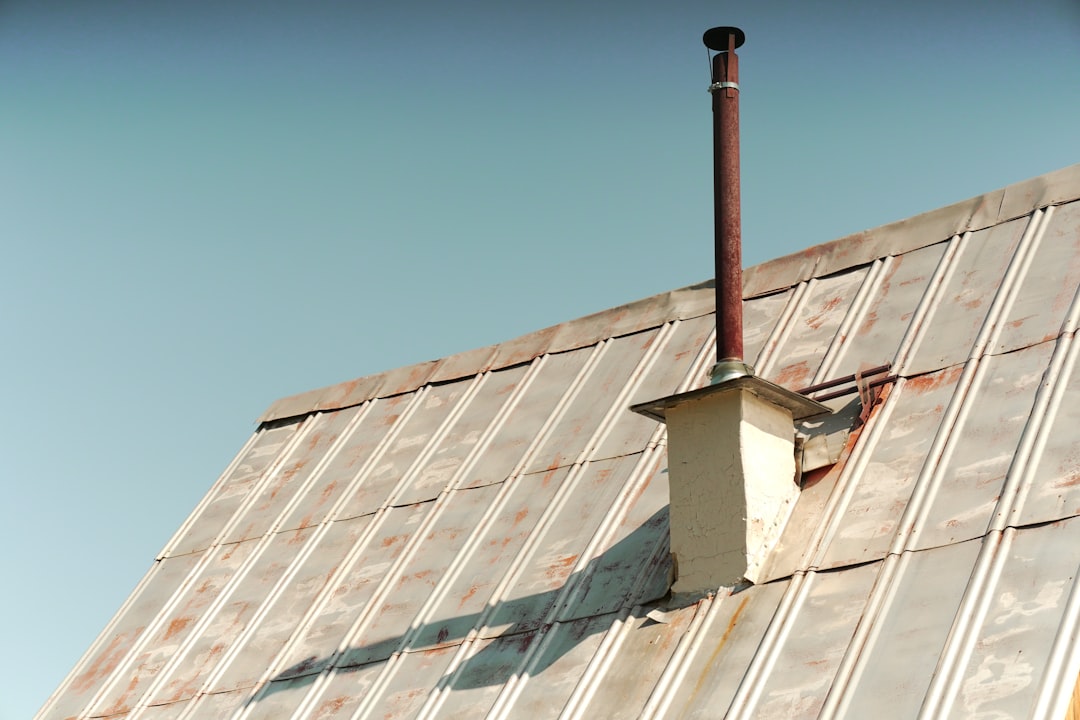
Water Damage from Roof Leak: A 25-Year Roofer's Complete Guide to Prevention, Repair & Insurance Claims
I have been installing and repairing roofs for over twenty-five years. My team has completed more than four thousand roofing projects across Texas. We hold certifications from GAF, CertainTeed, and Owens Corning. This experience gives me a unique perspective on water damage. I have seen how small leaks can destroy homes. This article shares that hard-earned knowledge with you.
This guide exists to solve a critical problem for homeowners. A roof leak is more than just a drip. It is a silent threat to your home's structure, health, and finances. This article answers your urgent questions. How do I find the leak? What damage is happening inside my walls? How much will repairs cost? Will my insurance cover it? My goal is to give you clear, actionable answers. You will learn how to protect your biggest investment.
I gathered this information from real customer projects and industry data. The advice comes from fixing leaks in hundreds of homes. I reference manufacturer specifications from GAF and Owens Corning. I explain building codes from the International Residential Code (IRC). I also discuss insurance standards. My recommendations follow proven methods we use daily. This is not theoretical. This is field-tested roofing wisdom shared with integrity.
The Hidden Dangers of a Leaking Roof
A roof leak is an emergency. Water follows the path of least resistance. It travels along rafters and wall studs. The visible stain on your ceiling is just the tip of the iceberg. The real damage is often hidden. Water soaks into wood framing and insulation. This creates the perfect environment for mold growth. Mold can cause serious health problems for your family.
Structural damage is another major risk. Wood rot weakens your roof deck and framing. This compromises the entire roof system. In extreme cases, it can lead to ceiling collapse. We once responded to a call where a homeowner ignored a small leak. The entire kitchen ceiling fell in after a heavy rain. The repair cost was ten times higher than an early fix.
Common Health Risks from Water Intrusion
Mold spores thrive in damp, dark attic spaces. Common types include black mold (Stachybotrys) and aspergillus. These can trigger allergies and asthma attacks. They cause respiratory issues, especially in children and the elderly. Musty odors are a clear warning sign. You should test for mold if you see visible growth or smell dampness.
Poor indoor air quality is a direct result. Air from your attic circulates through your home via HVAC systems. This spreads mold spores and contaminants. According to the EPA, controlling moisture is key to preventing mold. A dry attic is a healthy attic. Proper ventilation and a watertight roof are essential.
Structural Compromise and Material Failure
Water destroys building materials from the inside out. Roof decking (usually OSB or plywood) swells and loses strength. Wet insulation (fiberglass or cellulose) compresses and loses its R-value. This increases your energy bills. Metal fasteners, like nails and truss plates, can rust. Rust weakens their holding power over time.
The damage follows a predictable timeline. First, you see a small water stain. Then, the drywall or plaster softens and bubbles. Paint begins to peel. Eventually, the material fails completely. We follow the International Residential Code (IRC) for repair standards. Section R807.1 addresses roof ventilation. Section R905 covers roofing materials. Proper repair must meet these safety codes.
How to Find the Source of Your Roof Leak
Finding a leak is detective work. Water rarely drips directly below the hole in the roof. It runs down rafters, pipes, or electrical wires. Start your investigation in the attic. Use a bright flashlight during the day. Look for water stains, dark wood, or mold on the underside of the roof deck. Follow the trail uphill to find the entry point.
Common leak locations are not random. Most leaks occur at roof penetrations and transitions. Check around chimneys, plumbing vents, and skylights first. Examine roof valleys where two slopes meet. Look at the flashing details. Flashing is the metal or rubber material that seals these joints. Failed flashing is the number one cause of leaks we repair.
Step-by-Step Leak Detection Guide
Follow this methodical approach. First, ensure attic safety. Wear a dust mask and use a sturdy board to walk on. Never step between ceiling joists. Second, have a helper spray water on the roof with a hose. Start low and work up section by section. Third, mark the leak location inside with a pencil. This pinpoints the problem area for repair.
Use tools to aid your search. A moisture meter can detect wet wood behind surfaces. An infrared camera can show temperature differences caused by damp insulation. These tools help professionals find hidden moisture. For a DIY approach, patience and a good flashlight are your best tools. Remember, safety first. If the attic is too cramped or dangerous, call a professional.
Most Frequent Leak Points (The Usual Suspects)
- Flashing Failures: Metal flashing around chimneys, vents, and walls can crack or pull away. Check the step flashing along roof-to-wall intersections.
- Valley Leaks: Roof valleys channel large volumes of water. Worn shingles or improper installation here cause major leaks.
- Vent Pipe Boots: The rubber seals around plumbing vents dry out and crack over time. This is a very common and easy-to-fix leak source.
- Skylights: Improperly flashed skylights are notorious for leaking. The leak often appears on the ceiling far from the skylight itself.
- Damaged or Missing Shingles: High winds can tear shingles off. Hail can bruise and crack them. Inspect your roof for obvious damage.
- Clogged Gutters: Water backs up under the roof edge when gutters are clogged. This causes leaks at the fascia and soffit.
Understanding Roof Leak Repair Costs
Roof repair costs vary widely. The price depends on the leak's location, the damage extent, and your roofing material. A simple vent boot replacement might cost $200-$400. A complex chimney flashing repair could be $800-$1,500. Full roof deck replacement in a damaged section costs $1,000-$3,000. Always get a detailed, written estimate.
Labor is a significant part of the cost. A skilled roofer charges for their expertise, not just time. Proper flashing installation requires precision. Using the wrong sealant or technique will cause the leak to return. We price jobs based on materials, labor, and project complexity. We provide line-item estimates so homeowners understand what they are paying for.
Cost Breakdown by Repair Type
Here are typical price ranges based on our recent projects. These are regional averages for Texas. Your costs may differ. Minor shingle repair or replacement: $150-$400. This fixes wind-damaged or missing shingles. Vent pipe boot replacement: $200-$450. This includes new rubber boot and proper sealing.
Chimney flashing repair: $750-$1,800. This is complex work involving step flashing and counterflashing. Valley repair: $500-$1,200. This may involve replacing damaged valley metal or woven shingles. Soffit and fascia repair from gutter overflow: $300-$700. This fixes wood rot at the roof's edge. Remember, these are repair costs. They do not include fixing interior water damage to ceilings or walls.
When Repair Becomes Replacement
Sometimes, repair is not the best financial decision. If your roof is near the end of its life, patching one leak is temporary. Another leak will likely appear soon. The National Roofing Contractors Association (NRCA) recommends considering replacement if: The roof is over 20 years old (for asphalt shingles). You have multiple leaks in different areas. More than 30% of the roof surface is damaged. The roof deck is extensively rotten.
A full replacement is a major investment. However, it provides a long-term solution. It also comes with a new manufacturer's warranty, like those from GAF or Owens Corning. Modern roofing materials offer better durability and energy efficiency. We help homeowners weigh the cost of repeated repairs against the value of a new roof.
Roofing Materials and Leak Resistance
Your roofing material greatly impacts leak risk. Asphalt shingles are the most common. Modern architectural shingles have better wind resistance and longer warranties. They use stronger adhesives and thicker mats. Metal roofing is highly resistant to leaks when properly installed. The panels interlock, and few penetrations are needed.
Tile and slate roofs are durable but heavy. They require a very strong roof structure. Their main leak points are at the underlayment and flashing. Flat roofs use membranes (TPO, EPDM, or modified bitumen). These systems rely on seamless seams and proper drainage. Every material has strengths and specific installation requirements to prevent leaks.
Underlayment: The Critical Water Barrier
Underlayment is the unsung hero of a leak-resistant roof. It is the water-resistant barrier installed directly on the roof deck. It provides a secondary layer of protection if water gets under the shingles. There are three main types. #15 or #30 felt paper is traditional. Synthetic underlayment is stronger and more tear-resistant. Rubberized asphalt underlayment (ice and water shield) is the best for leak-prone areas.
Building codes, like the IRC, require ice and water shield in specific zones. These include roof valleys, eaves, and around penetrations. We always use a high-quality synthetic underlayment over the entire roof. We add ice and water shield in critical areas. This extra step costs more upfront but prevents costly leaks later. It is a standard in our quality installations.
Flashing Materials and Best Practices
Flashing is the metal that directs water away from vulnerable joints. Galvanized steel is common and affordable. Aluminum is lightweight and rust-resistant but softer. Copper is durable, long-lasting, and develops a patina. It is also the most expensive. The best practice is to use the right material for the job and install it correctly.
Proper installation is everything. Step flashing must be woven with each course of shingles. Counterflashing must be embedded into masonry or sealed to siding. Valley flashing must be wide enough to handle water flow. We follow manufacturer specifications from CertainTeed and best practices from the NRCA. Good flashing work is meticulous and time-consuming. It is the key to a watertight roof.
The Homeowner's Action Plan for a Leak
Discovering a leak can be stressful. Stay calm and follow this plan. First, contain the interior damage. Place a bucket under the drip. Move furniture and valuables out of the way. Poke a small hole in the sagging ceiling bulge to release water. This prevents a larger collapse. Use towels to soak up water on the floor.
Second, mitigate the water source if safe. If you can safely access the attic, you might place a tarp over the leak area from inside. Do not go on a wet or steep roof yourself. That is extremely dangerous. Third, document everything. Take clear photos and videos of the leak, the water damage, and any visible roof issues. This is crucial for insurance claims.
How to Choose a Reputable Roofing Contractor
Choosing the right contractor is your most important decision. Look for a licensed, insured, and local company. Check their standing with the Better Business Bureau. Read online reviews on Google and Facebook. Ask for references from recent customers. A trustworthy roofer will provide all this information willingly.
Ask specific questions about their process. Will they obtain a permit if required? What brand of materials do they use? Who will be the project foreman? Do they subcontract the work? Get everything in writing. The contract should include the scope of work, materials (brand, color, type), warranty details, payment schedule, and cleanup procedures. Never pay the full amount upfront.
Temporary Fixes vs. Permanent Repairs
Temporary fixes can buy you time until a professional arrives. Roofing cement (tar) can seal a small hole in flashing. A piece of rolled roofing or a tarp can cover a damaged section. Use boards to secure the tarp so wind cannot lift it. These are short-term solutions. They will degrade with sun and weather.
A permanent repair addresses the root cause. It involves removing damaged materials, repairing the roof deck if needed, installing new underlayment and flashing, and integrating new shingles with the existing roof. The goal is to restore the roof's integrity for the long term. A professional repair should blend in and come with a workmanship warranty.
Navigating Roof Leak Insurance Claims
Homeowners insurance often covers sudden, accidental water damage from a storm. It typically does not cover damage from lack of maintenance or wear and tear. A windstorm tearing shingles off is usually covered. A 25-year-old roof failing from old age is not. Review your policy's declarations page to understand your coverage and deductible.
The claims process has specific steps. First, report the claim to your insurance company immediately. Provide your policy number. Second, an adjuster will contact you to inspect the damage. Be present for this inspection. Show them your documentation (photos, videos). Third, the adjuster will write an estimate for the covered repairs. You then hire a contractor to perform the work for that amount.
Working with the Insurance Adjuster
Be prepared and professional. Have your documentation ready. Walk the adjuster through the interior damage and, if safe, the attic. Point out the leak path. A good contractor can meet with the adjuster on your behalf. They can explain the necessary repairs and ensure the estimate is accurate and complete. The adjuster's estimate is a starting point for negotiation.
Understand that insurance pays for "like kind and quality" replacement. If you have standard 3-tab shingles, they will pay for 3-tab shingles. If you want to upgrade to architectural shingles, you will pay the difference. The insurance payment is usually in two parts. The first check is for the actual cash value (depreciated value). The second check is for the recoverable depreciation, issued after work is completed.
Documentation Checklist for Your Claim
- Photos of the exterior roof damage (from the ground with zoom).
- Photos and videos of the interior water stains and damage.
- Photos of damaged personal property (furniture, carpets).
- Date-stamped records of the storm or weather event (news reports).
- A copy of your homeowner's insurance policy.
- All receipts for temporary repairs or water extraction services.
- Written estimates from licensed roofing contractors.
- Notes from all conversations with your insurance company (date, name, details).
Real Project Case Studies and Outcomes
Case Study 1: The Hidden Valley Leak. A homeowner in Kingwood reported a leak in a second-floor bedroom. Multiple handymen had patched the interior ceiling with no success. We inspected and found the leak originated in a roof valley 20 feet away. The valley metal was improperly installed and had rusted through. We replaced the valley flashing, repaired the roof deck, and restored the interior. Total cost: $1,850. The leak was permanently fixed.
Case Study 2: Storm Damage and Insurance Success. After a hailstorm, a client had leaks in three locations. The insurance adjuster initially denied the claim, citing "wear and tear." We provided a detailed report with hail impact marks on the roof vents and siding. We met the adjuster on-site and showed the concurrent damage. The claim was approved for a full roof replacement. The homeowner paid only their deductible. Outcome: New roof, no more leaks, and a satisfied customer.
Case Study 3: The Neglected Maintenance Issue. A property manager ignored minor leaks in a rental property for years. When we were finally called, the attic showed extensive black mold and severe roof deck rot. The repair required full attic mold remediation, replacement of over 40% of the roof deck, and a new roof. Cost: $22,000. This was far more than the $5,000 it would have cost to fix the initial flashing leak. The lesson: Address leaks immediately.
Frequently Asked Questions (FAQ)
1. How long can I wait to fix a roof leak?
You should address a leak immediately. Within 48 hours, mold can begin to grow on wet wood and drywall. Structural damage worsens with each rain event. Delaying repair always increases the scope and cost of the work. Temporary containment is okay, but schedule a professional inspection as soon as possible.
2. Can I fix a roof leak myself?
Simple repairs like replacing a vent boot are possible for a handy homeowner. However, working on a roof is dangerous. Most repairs require specific materials and techniques to be lasting. An improper DIY repair can void your shingle warranty and cause more damage. For anything beyond a very minor, accessible fix, hiring a professional is safer and more cost-effective in the long run.
3. Will my homeowners insurance premiums go up if I file a claim?
Filing a claim can affect your premiums, but it depends on your policy, your claim history, and the claim's cause. A single claim for storm damage may not cause an increase. Multiple claims in a short period likely will. It is best to discuss the potential impact with your insurance agent before filing, especially for smaller claims close to your deductible amount.
4. What is the best way to prevent roof leaks?
Proactive maintenance is the best prevention. Have your roof professionally inspected at least once every two years, and after any major storm. Keep your gutters clean and free-flowing. Trim tree branches that touch or overhang the roof. Ensure your attic is properly ventilated to prevent ice dams in winter. Address small problems before they become big, expensive leaks.
5. How do I know if my roof deck is rotten?
Signs of a rotten roof deck include: a spongy or bouncy feeling when walking on the roof, visible sagging between rafters from inside the attic, and soft, crumbly wood when probed with a screwdriver. During a roof replacement, contractors will inspect every sheet of decking. Any soft wood must be replaced to provide a solid base for the new roof.
6. What questions should I ask a roofing contractor?
Ask for proof of license and insurance. Ask about their workmanship warranty (length and what it covers). Ask who will supervise the project daily. Ask how they will protect your property (landscaping, driveway). Ask for a detailed written estimate. Ask about their cleanup process. A reputable contractor will answer all these questions clearly and confidently.
Conclusion and Your Next Steps
Water damage from a roof leak is a serious threat to your home. Ignoring it leads to mold, rot, and huge repair bills. The key is swift, informed action. Use this guide to understand the risks, find the source, and navigate repairs. Remember the importance of quality materials and expert installation. Your roof is your home's first line of defense.
Your next step is to assess your situation. If you have an active leak, contain the damage and call a professional. If your roof is older, schedule a preventive inspection. Review your homeowners insurance policy now, before disaster strikes. Being prepared saves time, money, and stress. Your home is your sanctuary. Protecting it starts from the top down.
I wrote this guide to empower you with knowledge. In my 25 years, I have seen how the right information leads to better decisions and better outcomes. Do not let a small drip turn into a catastrophe. Take control, ask the right questions, and partner with professionals you trust. A dry, secure home is the ultimate goal for every homeowner.