
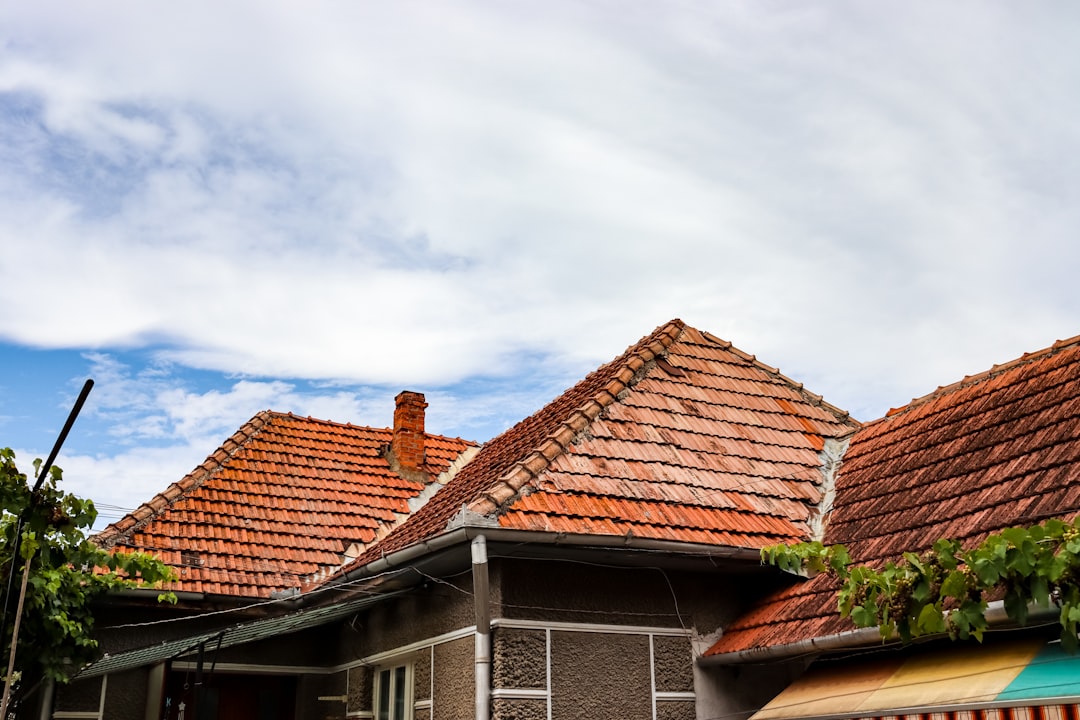
Artisan Roofing and Solar: A Master Roofer's 25-Year Guide to Protecting Your Home and Saving Money
I have spent over 25 years with my hands on shingles and solar panels. My team and I have completed more than 4,000 roofing projects across Texas. We hold certifications from GAF, CertainTeed, and Tesla Solar. This experience taught me what truly matters for a homeowner's roof. This article exists to solve a real problem. Homeowners face confusing choices between roofing repairs, replacements, and solar energy systems. They need clear, honest advice from someone who has been on their roof, not just in an office. I wrote this guide to answer your biggest questions. You will learn how to make smart decisions that protect your investment and lower your bills.
The information here comes from real customer projects in our service area. It is based on manufacturer installation specifications, Texas building codes, and decades of field testing. We will explain the methodology behind every recommendation. Our goal is to save you time and prevent costly mistakes. This is not generic advice. This is the wisdom gained from installing roofs that survive Texas storms and solar systems that deliver promised savings. Let's begin with understanding what true artisan quality means for your home.
What Defines True Artisan Roofing and Solar Craftsmanship?
Artisan roofing is about mastery, not just labor. It combines skilled technique with quality materials. A true artisan understands how a roof system works as a whole. They see beyond nailing shingles to a deck. They consider ventilation, waterproofing, and long-term durability. For solar, it means integrating technology with roofing integrity. The goal is a seamless, high-performance system. This approach differs greatly from basic installation crews. Artisans take pride in precision and problem-solving.
The Artisan Roofer's Mindset: Precision and Pride
An artisan roofer approaches each job as a unique challenge. They inspect the entire structure before starting. They plan for proper water drainage and airflow. They select materials suited to the home's style and local climate. Every cut is measured. Every nail is placed in the correct zone. This attention to detail prevents future leaks and damage. It extends the life of your roof significantly. You can see this quality in straight lines, clean valleys, and flawless flashing.
Solar Integration as a Roofing System, Not an Add-On
Adding solar panels requires roofing expertise. An artisan treats the panels as part of the roof's weather barrier. They ensure mounting hardware does not compromise shingle warranties. They design conduit runs that are neat and watertight. Proper integration prevents leaks at penetration points. It also maintains the roof's aesthetic appeal. The National Renewable Energy Laboratory (NREL) emphasizes system durability. A well-integrated solar roof performs better for decades.
The Complete Process: From Inspection to Final Walkthrough
A quality roofing project follows a proven sequence. Skipping steps leads to problems. The process starts with a thorough inspection. We measure the roof's pitch and square footage. We check the decking for rot or weakness. We assess existing flashing and ventilation. This inspection informs the project plan and material estimate. Next, we obtain necessary permits from local authorities. We review your homeowner's insurance policy for coverage details. Then, we schedule the work with clear communication.
Step-by-Step Installation: A Roofer's Field Perspective
Day one involves setting up safety equipment and delivering materials. We use tarps to protect your landscaping. We carefully remove old shingles down to the deck. We inspect the wooden deck for any damaged plywood or boards. We replace any rotten wood immediately. We install new drip edge metal along the eaves. We roll out synthetic underlayment for superior water protection. We install ice and water shield in critical areas like valleys and eaves. This is per International Building Code (IBC) requirements for roof assemblies.
Then, we begin laying the shingles from the bottom edge upward. We use chalk lines to ensure straight courses. We pay special attention to valleys where water runs. We install step flashing where the roof meets walls or chimneys. We install ridge vents for proper attic ventilation. Finally, we conduct a meticulous cleanup. We use magnetic tools to pick up every stray nail. The final walkthrough is with you, the homeowner. We explain what was done and show you the quality.
Material Deep Dive: Choosing the Right Components for Your Home
Your roof is a system of interconnected materials. Choosing the right ones is crucial. The main components are shingles, underlayment, flashing, and ventilation. For solar, you need panels, inverters, mounts, and conduit. Let's compare options based on real-world performance in Texas weather.
Asphalt Shingles: The Workhorse of Residential Roofing
Asphalt shingles are the most common choice. They offer good value and durability. There are three main types: 3-tab, architectural, and luxury. 3-tab shingles are the most basic and economical. Architectural shingles are thicker and have a dimensional look. They offer better wind resistance and longer warranties. Luxury shingles mimic slate or wood shakes. Brands like GAF and CertainTeed are industry leaders. Look for shingles with a UL 2218 Class 4 impact rating for hail protection.
Synthetic Underlayment vs. Traditional Felt
Underlayment is the water-resistant barrier beneath shingles. Traditional asphalt-saturated felt (tar paper) has been used for decades. Synthetic underlayment is a modern polymer-based product. It is lighter, stronger, and more tear-resistant. It provides a safer walking surface for installers. It also repels water more effectively. In our projects, we use synthetic underlayment as a standard. It offers superior protection during installation and over the long term.
Solar Panel Technology: Monocrystalline vs. Polycrystalline
Solar panels convert sunlight into electricity. Monocrystalline panels are made from a single crystal of silicon. They are more efficient and perform better in heat. They have a uniform black appearance. Polycrystalline panels are made from multiple silicon fragments. They are slightly less efficient and have a blue, speckled look. They are often less expensive. For Texas homes, we typically recommend monocrystalline panels. Their higher efficiency is valuable in our climate. Brands like Tesla, SunPower, and LG are known for quality.
Cost Analysis: Real Project Examples and Budget Planning
Roofing and solar are significant investments. Understanding costs prevents sticker shock. A new asphalt shingle roof in Texas typically costs between $12,000 and $25,000. The final price depends on roof size, pitch, material choice, and complexity. A residential solar system ranges from $15,000 to $30,000 before incentives. Combining both projects can offer economies of scale. Let's look at two real project examples from our books.
Case Study 1: The Johnson Family Home (Post-Storm Replacement)
The Johnsons had hail damage on their 2,200 sq. ft. ranch-style home. Their insurance approved a replacement. We installed GAF Timberline HDZ architectural shingles. We used synthetic underlayment and new aluminum flashing. The project included repairing three sheets of decking. The total cost was $18,500. Their insurance covered $16,000 after their deductible. Their out-of-pocket cost was $2,500 for upgraded shingles. The roof came with a 50-year non-prorated warranty from GAF. This warranty includes wind coverage up to 130 mph.
Case Study 2: The Garcia Residence (Solar-Ready Roof + Installation)
The Garcias wanted a new roof and solar panels. Their old roof was 20 years old. We installed a CertainTeed Landmark PRO solar reflective shingle. These shingles are designed to work with solar mounts. They also reflect more sunlight, keeping the attic cooler. After the roof was complete, we installed a 8.5 kW solar system. It used 22 monocrystalline panels and a string inverter. The total combined project cost was $42,000. They claimed the 30% Federal Solar Investment Tax Credit (ITC). This credit reduced their solar cost by $7,800. Their net investment was $34,200.
Maximizing Value: Warranties, Insurance, and Energy Savings
Your roof's value is protected by warranties and proper insurance. A solar system's value comes from energy production and incentives. Understanding these aspects ensures you get what you pay for. A roof warranty has two parts: the manufacturer's material warranty and the contractor's workmanship warranty. The best scenarios combine strong coverage from both. For solar, performance warranties guarantee panel output over 25 years.
Navigating Homeowner's Insurance for Roofing Claims
Most roof replacements are triggered by storm damage and insurance claims. The process can be confusing. After a storm, document any visible damage with photos. Contact your insurance company to file a claim. They will send an adjuster to inspect. It is wise to have your own roofing contractor present during the adjuster's inspection. The contractor can point out damage the adjuster might miss. Review the insurance estimate line by line. Ensure it includes code-compliant materials and full replacement costs. Resources like the Insurance Information Institute offer helpful guides.
Calculating Solar Payback Period and ROI
The solar payback period is the time it takes for savings to equal the cost. In Texas, with good sun and reasonable electricity rates, payback is often 8-12 years. Calculate your monthly average electric bill from your utility. A solar consultant can estimate your system's monthly production. The difference is your monthly savings. Divide your net system cost by your annual savings to find the payback period. After payback, the electricity is essentially free for the life of the system. This adds to your home's value.
Practical Homeowner Tips from 4,000+ Projects
Here is actionable advice you can use today. These tips come from solving real problems on real homes.
- Schedule Annual Roof Inspections: Have a professional inspect your roof every spring. They can spot cracked caulk, loose shingles, or clogged gutters early. Early repair is always cheaper than major damage.
- Keep Gutters Clean: Clogged gutters cause water to back up under the roof edge. This leads to wood rot and leaks. Clean them at least twice a year, in spring and fall.
- Trim Overhanging Tree Branches: Branches can scrape and damage shingles during wind. They also drop leaves into gutters. Keep branches at least 10 feet away from your roof.
- Check Attic Ventilation: Go into your attic on a hot day. It should not feel like an oven. Proper ventilation extends shingle life and reduces cooling costs. Look for soffit and ridge vents.
- Document Everything: Keep records of your roof's installation date, materials used, and warranty documents. Take photos of your roof and solar system annually. This is invaluable for insurance or future buyers.
Frequently Asked Questions (FAQ)
How long should a new roof last?
A quality architectural shingle roof installed correctly should last 25 to 30 years in Texas. Material warranties often extend to 50 years, but real-world lifespan depends on installation, ventilation, and weather. Proper maintenance is key to reaching the full potential lifespan.
Can I install solar panels on my existing roof?
Yes, but the roof must be in good condition. Solar panels have a 25+ year lifespan. If your roof is over 10 years old, it may need replacement before solar installation. Adding solar to an old roof means removing the panels later for re-roofing, which adds cost.
What is the biggest mistake homeowners make when choosing a roofer?
Choosing based on the lowest price alone. Extremely low bids often mean cutting corners on materials, labor, or safety. Always verify a contractor's license, insurance, and local references. Check their standing with the Better Business Bureau.
Do solar panels work during a power outage?
Standard grid-tied solar systems automatically shut off during a power outage for safety. To have power during an outage, you need a solar system with battery storage, like the Tesla Powerwall. This adds to the cost but provides valuable backup power.
How does hail affect my roof and solar panels?
Large hail can crack asphalt shingles and damage the protective granule layer. For solar panels, reputable brands test their products to withstand hail impacts. Look for panels with an IEC 61215 certification for durability. After a hailstorm, a professional inspection is recommended for both.
What maintenance do solar panels require?
Solar panels require very little maintenance. Rainfall usually cleans them sufficiently. In dry periods, you can hose them off from the ground. Avoid using abrasive materials. Your installer should provide monitoring software to track energy production and alert you to any issues.
Are there financing options for roofing and solar projects?
Yes, many options exist. For roofing, some contractors offer financing, or you can use a home equity loan. For solar, there are specific solar loans, leases, and Power Purchase Agreements (PPAs). The federal tax credit applies to purchased systems, not leased ones. Always read the terms carefully.
Industry Statistics and Data You Should Know
Data helps inform good decisions. According to the National Association of Home Builders, a new roof provides a 60% return on investment at resale. The Solar Energy Industries Association (SEIA) reports Texas is the 2nd fastest-growing solar market in the U.S. The average cost of solar has dropped by more than 70% in the last decade. A U.S. Department of Energy study found solar can increase home value by about $15,000. Proper attic ventilation can reduce peak cooling demand by up to 10%, per the EPA's Energy Star program.
Conclusion: Your Path to a Secure, Efficient Home
Your roof is your home's first line of defense. Combining quality roofing with solar energy is a powerful strategy. It protects your structure and reduces your operating costs. The key is working with skilled, trustworthy professionals. Look for contractors with proven experience, proper credentials, and a commitment to craftsmanship. Do not rush the decision. Get multiple detailed estimates. Ask questions about materials, warranties, and the installation process.
Use this guide as a reference during your planning. Start with a professional inspection to understand your home's current condition. Review your energy bills to gauge solar potential. Check your insurance policy to understand your coverage. Taking these steps puts you in control. A well-executed roofing and solar project is an investment that pays dividends in protection, savings, and peace of mind for decades to come. Your home deserves nothing less than true artisan care.