
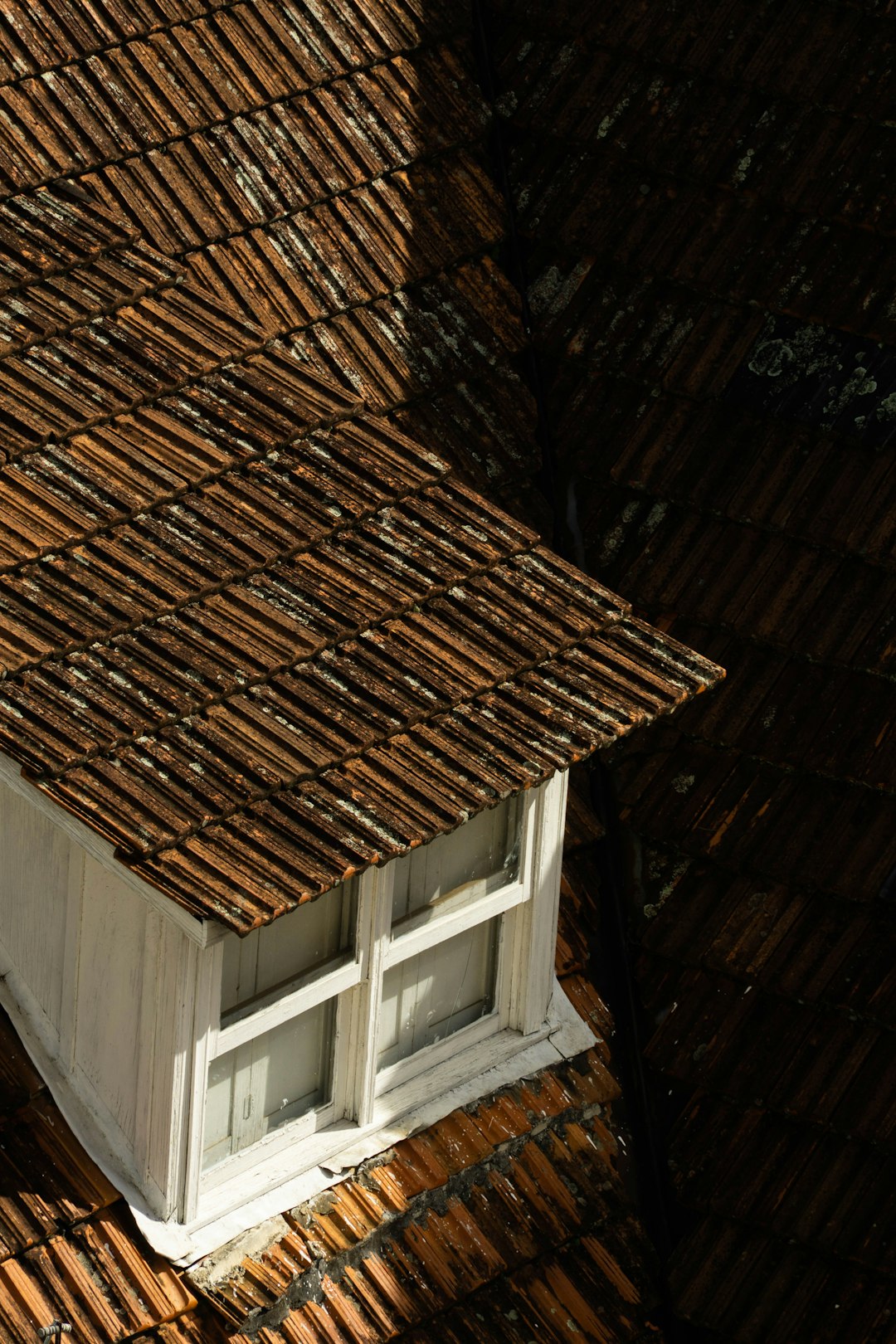
Artisan Roofing and Solar: Expert Installation for Energy Efficiency - A Contractor's 20-Year Perspective
For over two decades, I have worked on thousands of roofing projects across Texas. I hold certifications from GAF, CertainTeed, and the North American Board of Certified Energy Practitioners. This hands-on experience taught me that quality roofing and solar installation requires true craftsmanship. Homeowners face confusing choices about materials, costs, and contractors. This article exists to solve that problem. I will share practical knowledge from real job sites to help you make informed decisions. You will learn how artisan-level work differs from standard installations. This information comes directly from completed projects, manufacturer specifications, and building code requirements. My goal is to provide clear guidance that saves you time, money, and stress. Let's explore what makes artisan roofing and solar worth the investment.
What Defines Artisan Roofing and Solar Work?
Artisan roofing means craftsmanship meets modern technology. It goes beyond basic installation to create durable, beautiful results. This approach focuses on precision, quality materials, and expert techniques. Artisan solar installation integrates panels seamlessly with your roof structure. The goal is maximum energy production without compromising roof integrity. True artisans understand how roofing and solar systems work together. They plan for weather, structural loads, and long-term performance. This holistic approach prevents common problems like leaks or reduced efficiency. Artisan work follows strict quality standards at every step. It transforms a basic roof into a high-performance asset for your home.
The Artisan Difference in Materials and Methods
Artisan contractors select premium materials from trusted manufacturers. They use products like GAF Timberline HDZ shingles or CertainTeed Landmark PRO. These materials offer better durability and weather resistance. Installation methods follow manufacturer specifications exactly. This ensures valid warranties and optimal performance. Artisans pay attention to details like proper nail placement and sealing techniques. They use specialized tools for precise cuts and measurements. Solar installations use tier-one panels from companies like SunPower or REC. These panels have higher efficiency ratings and longer warranties. Artisans mount panels with care to avoid roof damage. They ensure proper wiring and electrical connections for safety. This meticulous approach creates systems that last decades with minimal maintenance.
Why Integration Matters for Roofing and Solar
Roofing and solar systems must work together seamlessly. Poor integration causes leaks, structural issues, and reduced energy production. Artisan contractors assess your entire roof system before installation. They check decking, underlayment, and ventilation requirements. Solar mounts attach directly to roof rafters for maximum strength. Flashing around penetrations gets sealed with premium products like Grace Ice & Water Shield. Electrical conduits run neatly along roof lines without compromising water barriers. This integrated approach protects your investment. It also maintains your roof's warranty with manufacturers. Many standard installers treat roofing and solar as separate projects. Artisans see them as interconnected systems requiring coordinated planning.
Technical Considerations for Combined Roofing and Solar Projects
Combining roofing and solar requires careful technical planning. The roof structure must support additional weight from panels and mounting equipment. Most residential roofs handle solar loads when properly engineered. Artisan contractors calculate load requirements based on your specific roof design. They consider snow loads, wind uplift, and seismic factors where applicable. Proper ventilation remains crucial for roof longevity and solar efficiency. Solar panels can increase roof temperature without adequate airflow. Artisans design ventilation systems that work around panel arrays. They follow building codes like the International Residential Code (IRC) for roofing. Solar installations comply with the National Electrical Code (NEC) and local regulations. This technical expertise prevents costly mistakes and ensures system safety.
Structural Assessment and Reinforcement Needs
Every roofing and solar project begins with structural assessment. Contractors inspect attic space, rafters, and decking condition. They look for signs of rot, insect damage, or previous repairs. Older homes may need reinforcement before solar installation. This involves adding sister rafters or upgrading decking materials. Artisan contractors document structural conditions with photos and measurements. They provide clear recommendations for necessary repairs. Reinforcement work adds cost but prevents future problems. It ensures your roof can handle decades of solar panel operation. Skipping this assessment risks structural failure during extreme weather. Artisans prioritize safety and longevity over quick installation.
Electrical System Upgrades and Requirements
Solar panels generate electricity that must integrate with your home's electrical system. Many homes need panel upgrades or service increases to handle solar input. Artisan electricians evaluate your main electrical panel's capacity. They check for available breaker spaces and overall amperage rating. Older panels may require complete replacement for safety and compliance. The inverter converts solar DC power to usable AC power for your home. Micro-inverters or power optimizers often provide better performance than string inverters. These devices optimize each panel's output independently. Artisans select equipment based on your home's specific needs and future expansion plans. Proper electrical work prevents fire hazards and ensures system reliability.
Cost Analysis: Artisan Roofing and Solar Investment
Artisan roofing and solar represents a significant home investment. Understanding costs helps homeowners budget effectively. A complete roof replacement with solar integration typically costs between $25,000 and $60,000. Factors include roof size, material choices, and solar system capacity. Premium materials like metal roofing or high-efficiency panels increase costs. Complex roof designs with multiple valleys or dormers require more labor. Solar system size depends on your energy consumption goals. Most Texas homes need 6-10 kW systems to offset electricity bills. Federal tax credits reduce net costs by 30% for qualified solar installations. Some states and utilities offer additional incentives for energy-efficient upgrades. Artisan work costs more initially but provides better long-term value through durability and performance.
Real Project Cost Breakdown Examples
Consider these real project examples from our Texas work. A 2,000 square foot home needed complete reroofing with solar. The existing asphalt shingles reached end-of-life after 20 years. We installed GAF Timberline HDZ shingles with proper ventilation upgrades. The solar system included 24 SunPower 400-watt panels with micro-inverters. Total project cost was $38,500 before incentives. After federal tax credit, the homeowner paid $26,950. Another project involved a metal roof with integrated solar tiles. This premium installation cost $52,000 for a 1,800 square foot home. The Tesla Solar Roof system replaced traditional shingles entirely. After incentives, net cost was $36,400. Both projects eliminated electricity bills and increased home value. Actual costs vary based on specific circumstances and material choices.
Financing Options and Return on Investment
Several financing options make artisan roofing and solar accessible. Cash payment provides the lowest overall cost but requires significant savings. Home equity loans offer reasonable interest rates for qualified homeowners. These loans use your home as collateral for the improvement project. Solar-specific loans often feature attractive terms through specialized lenders. Some contractors offer financing programs with approved partners. Power purchase agreements (PPAs) allow third-party ownership of solar systems. Homeowners pay for electricity produced rather than owning equipment. Calculate return on investment by comparing energy savings to project costs. Most Texas homeowners recover costs within 8-12 years through electricity savings. The system continues producing free energy for decades after payoff. Increased home value provides additional financial benefit when selling.
Material Selection: Matching Roofing and Solar Components
Material selection dramatically affects system performance and aesthetics. Roofing materials must complement solar panel mounting requirements. Asphalt shingles work well with most solar racking systems. Architectural shingles provide better wind resistance than three-tab designs. Metal roofing offers excellent durability and solar compatibility. Standing seam metal roofs allow clamp-on mounts without roof penetrations. Tile roofs require specialized mounting hardware to avoid breakage. Solar panels come in various efficiency ratings and appearance options. Monocrystalline panels offer highest efficiency in limited space. Polycrystalline panels provide good performance at lower cost. Black-on-black panels blend better with dark roofing materials. Artisan contractors help match materials to your home's style and performance needs.
Premium Roofing Materials for Solar Integration
Certain roofing materials work exceptionally well with solar installations. Standing seam metal roofs from companies like MBCI offer clean solar integration. Their concealed fastener systems prevent leaks common with penetrated mounts. Solar clips attach directly to seams without drilling through roofing material. Synthetic slate from DaVinci Roofscapes provides lightweight durability. This material withstands hail and wind better than natural slate. It accepts standard solar mounts with proper flashing details. Concrete tile roofs require careful planning for solar installation. Specialized hooks slide under tiles without compromising weather resistance. Artisan contractors have experience with these material-specific installation techniques. They ensure proper integration that maintains manufacturer warranties.
Solar Panel Technology and Efficiency Considerations
Solar panel technology continues advancing rapidly. Modern panels produce more power in less space than older models. Efficiency ratings range from 15% for basic panels to over 22% for premium options. Higher efficiency matters most when roof space is limited. Bifacial panels capture light from both sides for increased production. These work well on flat roofs or above reflective surfaces. Temperature coefficients indicate performance loss in heat. Lower coefficients mean better performance in Texas summers. Panel warranties typically cover 25 years for power output. Artisan contractors recommend panels from manufacturers with strong financial backing. Companies like SunPower and REC offer excellent product and performance guarantees. Inverter warranties usually cover 10-12 years with extension options.
The Artisan Installation Process: Step-by-Step Excellence
Artisan installation follows a meticulous process ensuring quality results. The journey begins with comprehensive site assessment and design. Contractors measure roof dimensions, assess shading, and evaluate structural conditions. They create detailed plans showing panel layout, electrical routes, and equipment placement. Permitting comes next with submissions to local building departments. Artisans handle all paperwork including electrical diagrams and structural calculations. Material delivery gets scheduled after permit approval. Premium materials arrive protected from weather and damage. Roof preparation involves removing old materials if replacing entire roof. Decking gets inspected and repaired as needed. Proper underlayment installation creates the first water barrier. Ice and water shield protects vulnerable areas like valleys and edges.
Roofing Installation with Solar Preparation
Roofing installation proceeds with attention to future solar mounting. Shingles or metal panels install according to manufacturer specifications. Artisans mark rafter locations for future solar attachment points. This planning ensures mounts secure to structural members rather than just decking. Flashing details receive extra attention at potential penetration points. Ventilation systems install with consideration for solar array placement. Ridge vents or powered fans maintain airflow around panels. Drip edges and gutter systems complete the weather protection package. Quality control checks happen at each installation phase. Supervisors verify proper nailing patterns, sealant application, and alignment. This thorough approach prevents callbacks and ensures long-term performance. The completed roof provides a solid foundation for solar integration.
Solar System Mounting and Electrical Integration
Solar mounting begins after roof completion. Artisans use specialized equipment to protect the new roof surface. Mounting rails attach to roof rafters using lag bolts or specialized clips. Flashings seal around each penetration with multiple layers of protection. Panels mount to rails with adjustable clamps for perfect alignment. Electrical wiring runs through conduit along roof lines and into the attic. Micro-inverters or optimizers attach beneath each panel for individual optimization. All connections receive waterproof covers and strain relief. The main inverter mounts near your electrical panel, usually in garage or basement. DC and AC disconnects install for safety and maintenance access. Final electrical connection integrates solar production with your home's power system. This requires coordination with your utility company for grid interconnection.
Practical Homeowner Tips from Real Projects
Homeowners can take specific actions to ensure successful projects. Start with thorough research on local contractors and their specialties. Look for companies with both roofing and solar certifications. Check licenses with the Texas Department of Licensing and Regulation. Request references from recent projects combining roofing and solar. Visit completed installations to see work quality firsthand. Understand your energy needs by reviewing 12 months of utility bills. This helps size your solar system appropriately for consumption patterns. Consider future changes like electric vehicles or home additions that increase energy use. Plan roofing color with solar efficiency in mind. Light-colored roofs reflect heat, keeping panels cooler and more efficient. Dark roofs absorb heat but may better hide panel mounting hardware.
- Get multiple detailed quotes comparing materials, warranties, and timelines
- Verify contractor insurance covers both roofing and electrical work
- Check manufacturer certifications for specific products being installed
- Understand warranty coverage for roofing, solar panels, and installation labor
- Plan for temporary living arrangements if full roof replacement needed
- Discuss maintenance requirements for both roofing and solar systems
- Consider adding critter guards to prevent animals under solar arrays
- Ask about monitoring systems to track solar production and roof condition
Maintenance Requirements for Combined Systems
Proper maintenance extends the life of roofing and solar investments. Roofs require annual inspections, especially after severe weather. Look for missing shingles, damaged flashing, or clogged gutters. Solar panels need occasional cleaning to maintain efficiency. Texas dust and pollen can reduce production by 5-15% if not cleaned. Use soft brushes and water without harsh chemicals that damage coatings. Trim trees regularly to prevent shading and debris accumulation. Monitor system performance through provided software or apps. Sudden production drops may indicate panel issues or electrical problems. Check attic space periodically for signs of leaks or animal intrusion. Keep records of all maintenance and repairs for warranty purposes. Professional inspections every 3-5 years catch potential issues early. This proactive approach prevents small problems from becoming major repairs.
Frequently Asked Questions from Homeowners
How long does a combined roofing and solar project take?
Timeline depends on project scope and weather conditions. A typical complete roof replacement with solar integration takes 2-3 weeks. This includes 5-7 days for roofing, 3-5 days for solar installation, and time for inspections. Permitting can add 2-4 weeks before work begins. Complex roof designs or custom materials may extend timelines. Weather delays are common in roofing work. Artisan contractors provide realistic schedules with buffer days for unexpected issues. They coordinate trades efficiently to minimize disruption to your household.
Can solar panels be installed on an existing roof?
Solar panels install on existing roofs in good condition. The roof should have at least 10-15 years of remaining life. Older roofs may need replacement before solar installation. Adding panels to worn roofs creates problems when roof replacement becomes necessary. Removing and reinstalling solar panels costs $3,000-$6,000 extra. Artisan contractors assess roof condition thoroughly before recommending solar. They consider material age, visible damage, and underlying decking condition. Sometimes partial repairs extend roof life enough for solar installation.
What happens during power outages with solar panels?
Standard grid-tied solar systems shut down during power outages for safety. This prevents sending electricity to lines where utility workers make repairs. Battery storage systems like the Tesla Powerwall provide backup power during outages. These systems store excess solar production for use when grid power fails. Battery systems add $10,000-$20,000 to project costs but provide energy security. Some inverters offer limited emergency power outlets without full battery backup. Discuss your power reliability needs with your installer during design phase.
How does hail affect roofing and solar systems?
Modern roofing materials and solar panels withstand typical hail storms. Impact-resistant shingles carry UL 2218 Class 4 ratings for hail protection. These shingles resist damage from 2-inch hail stones at specific speeds. Solar panels undergo rigorous testing including hail impact simulations. Most manufacturers guarantee panels against hail up to 1-inch diameter at specific velocities. After severe hail, inspect both roof and panels for visible damage. Document any issues with photos for insurance claims. Some Texas homeowners choose specialized hail-resistant roofing systems given regional weather patterns.
Will solar panels void my roof warranty?
Properly installed solar systems should not void roof warranties. However, some manufacturers require specific installation methods to maintain coverage. Artisan contractors follow manufacturer requirements exactly to preserve warranties. They use approved mounting systems and flashing details for each roof type. Get written confirmation from both roofing and solar manufacturers about warranty coverage. Keep installation records showing compliance with specifications. Some manufacturers offer integrated roofing and solar systems with combined warranties. These systems provide single-source responsibility for the entire installation.
How much weight do solar panels add to my roof?
Solar panels and mounting equipment add 3-5 pounds per square foot to roof load. Most residential roofs designed to building codes handle this additional weight. Building codes typically require roofs to support 20-30 pounds per square foot live load. This includes snow accumulation in northern climates. Texas roofs rarely approach these limits under normal conditions. Structural assessment verifies your specific roof's capacity before installation. Reinforcement adds minimal cost if needed. Proper mounting distributes weight across multiple rafters rather than concentrating load.
What financing options work best for combined projects?
Several financing approaches suit different financial situations. Home equity loans offer tax-deductible interest for many homeowners. These loans use your home's value as collateral with reasonable rates. Solar-specific loans often feature attractive terms through specialized lenders. Some programs offer deferred payments or seasonal payment structures. Property Assessed Clean Energy (PACE) financing repays through property tax bills. This option stays with the property if you sell. Cash payment avoids interest costs entirely if funds available. Compare total costs including interest over loan terms. Consider how quickly energy savings offset monthly payments.
Real Project Case Studies with Measured Outcomes
Case studies demonstrate real-world results from artisan installations. The Johnson family in Kingwood needed roof replacement after hail damage. Their 25-year-old asphalt shingles showed widespread granule loss and curling. We installed CertainTeed Landmark PRO shingles in Driftwood color. The solar system included 28 REC Alpha Pure panels with Enphase micro-inverters. Total system size reached 11.2 kW covering south and west roof planes. Project cost totaled $41,200 before federal tax credit. Their electricity bills dropped from $220 monthly average to $18 basic service charge. Annual savings reached $2,424 with projected payback in 10.5 years. Home value increased approximately $35,000 based on comparable sales with solar.
The Martinez commercial property featured a flat roof with chronic leaks. We installed a TPO single-ply membrane system with ballasted solar mounts. The 50 kW system covered 75% of their warehouse electricity needs. Project cost of $142,000 qualified for commercial tax credits and accelerated depreciation. Annual electricity savings reached $9,600 with additional roof maintenance savings. Payback period calculated at 8.2 years considering all financial benefits. The system continues operating at 98% of original capacity after five years. These examples show how proper design and installation deliver measurable returns.
Industry Statistics and Performance Data
Industry data supports the value of quality roofing and solar installations. The National Renewable Energy Laboratory reports solar panel degradation averages 0.5% annually. Premium panels degrade slower, maintaining higher production over decades. Roofing material lifespan varies significantly by product quality. Three-tab shingles last 15-20 years while architectural shingles reach 30 years. Metal roofing typically lasts 40-70 years with proper maintenance. Solar installations increase home values by approximately 4.1% according to Zillow research. Energy-efficient homes sell faster than comparable properties without upgrades. Texas leads the nation in residential solar growth with installations increasing 35% annually. Federal investment tax credit remains at 30% through 2032 before gradual reduction. These statistics demonstrate the growing importance of integrated roofing and solar solutions.
Step-by-Step Guide to Planning Your Project
- Assess Your Current Situation: Evaluate roof condition and energy usage patterns. Review electricity bills and consider future needs.
- Research Local Contractors: Find companies with both roofing and solar expertise. Check licenses, insurance, and manufacturer certifications.
- Schedule Consultations: Meet with 3-4 qualified contractors for detailed assessments. Discuss goals, constraints, and budget parameters.
- Review Proposals: Compare materials, warranties, timelines, and costs. Ask questions about anything unclear in proposals.
- Check References: Contact previous customers with similar projects. Visit completed installations when possible.
- Finalize Design: Work with chosen contractor on final system design. Confirm panel placement, materials, and electrical details.
- Secure Financing: Arrange payment method that fits your financial situation. Apply for incentives and rebates available in your area.
- Schedule Installation: Coordinate timing with contractor and your schedule. Prepare your property for construction activities.
- Monitor Installation: Stay informed about progress without micromanaging. Address questions or concerns promptly.
- Complete Final Inspection: Verify system operation and documentation. Ensure all warranties and permits are properly filed.
Conclusion: The Value of Artisan Craftsmanship
Artisan roofing and solar represents a significant investment in your home's future. The combination of quality materials and expert installation creates lasting value. You gain energy independence, increased property value, and protection from the elements. This investment pays dividends through reduced utility bills and enhanced comfort. The artisan approach focuses on details that standard installations often overlook. Proper integration ensures both systems work together optimally for decades. Your next step involves finding qualified contractors who understand this holistic approach. Request detailed proposals that address both roofing and solar components. Verify credentials and visit completed projects before making decisions. Remember that quality installation matters as much as product selection. With proper planning and execution, your roofing and solar investment will serve your family for generations. Start your journey toward energy efficiency and home protection today.