
Attaching Solar Panels to Roof: The Complete Guide from a Roofer Who's Done It 500+ Times
For over 15 years, I've worked on thousands of roofing projects across Texas. I hold GAF Master Elite and CertainTeed SELECT ShingleMaster certifications. My team has completed more than 500 solar installations. This experience taught me what homeowners need to know. This article exists because I've seen too many solar projects go wrong. Homeowners invest thousands in solar panels. Then they discover roof damage or installation problems. This guide solves that problem. It gives you the knowledge to protect your investment. You will learn how to attach solar panels properly. You will avoid common mistakes that cost thousands to fix.
This information comes from real customer projects. I gathered data from 500+ solar installations. I studied manufacturer specifications from companies like IronRidge and Unirac. I reviewed building codes from the International Residential Code (IRC). I consulted with structural engineers on weight loads. My recommendations follow proven methods. These methods protect your roof and your solar investment. This guide will save you time and prevent costly errors. Let's begin with the most important question.
Is Your Roof Ready for Solar Panels?
Many homeowners make this mistake. They install solar panels on an old roof. Then they need a roof replacement in 5 years. Removing and reinstalling solar panels costs $3,000-$6,000. You must assess your roof first. Check the age of your roofing materials. Asphalt shingles last 15-25 years. Metal roofs last 40-70 years. Tile roofs last 50+ years. If your roof is over 10 years old, get a professional inspection. Look for signs of wear like curling shingles or rust spots.
Check your roof's structural integrity. Solar panels add 2-4 pounds per square foot. Your roof must support this extra weight. Most modern homes can handle solar panels. Older homes might need reinforcement. Consult a structural engineer if unsure. Consider your roof's orientation and pitch. South-facing roofs get the most sun. East and west-facing roofs work well too. North-facing roofs are less efficient. The ideal pitch is 30-45 degrees. Flat roofs need special mounting systems.
Professional Roof Inspection Checklist
Before installing solar, complete this checklist. Hire a certified roofing contractor. They should check for leaks and water damage. They should inspect flashing around chimneys and vents. They should examine the roof deck for rot or weakness. They should verify proper attic ventilation. Poor ventilation causes heat buildup. This reduces solar panel efficiency. It also shortens roof life. Ask for a written inspection report. This document protects you if problems arise later.
- Age Assessment: Determine remaining roof life
- Structural Review: Check rafters and trusses
- Material Condition: Inspect shingles, tiles, or metal
- Waterproofing: Test flashings and seals
- Ventilation: Measure attic temperature and airflow
- Documentation: Get photos and written report
Understanding Roof Attachment Methods
Solar panels attach to your roof in different ways. The method depends on your roofing material. Each method has pros and cons. I've installed all these systems. I'll share what works best in real projects. The goal is secure attachment without roof damage. Proper installation prevents leaks and maintains warranty coverage.
Asphalt Shingle Roof Attachments
Asphalt shingles are the most common roofing material. They use lag bolts and flashing. Installers place L-feet on the roof deck. They bolt through the shingles into rafters. They seal each penetration with waterproof flashing. Quality flashing is critical. I recommend IronRidge FlashFoot 2. It has a 50-year warranty against leaks. The sealant must be compatible with your shingles. Use butyl tape or silicone sealant. Never use cheap caulk that cracks in heat.
The mounting rails attach to the L-feet. Panels then clip onto the rails. Proper spacing is important. Rails should align with rafters for maximum strength. Each attachment point should hit solid wood. Missing the rafter causes movement. Movement leads to leaks over time. I use a stud finder and measure carefully. I mark each rafter location before drilling. This precision prevents problems later.
Tile Roof Attachments
Tile roofs require special care. You cannot drill through decorative tiles. The system uses tile replacement or tile hooks. Tile replacement removes specific tiles. Mounting brackets install in those spaces. The original tiles go back over the brackets. This method maintains the roof's appearance. Tile hooks slide under existing tiles. They clamp onto the tile without drilling. Both methods work well when installed properly.
Concrete and clay tiles are brittle. Workers must walk carefully to avoid breakage. I recommend using walk boards during installation. These distribute weight across multiple tiles. They prevent costly tile replacements. The mounting system must accommodate tile profiles. S-tiles need different hooks than flat tiles. Manufacturers like Quick Mount PV make tile-specific products. Using the wrong hardware causes leaks.
Metal Roof Attachments
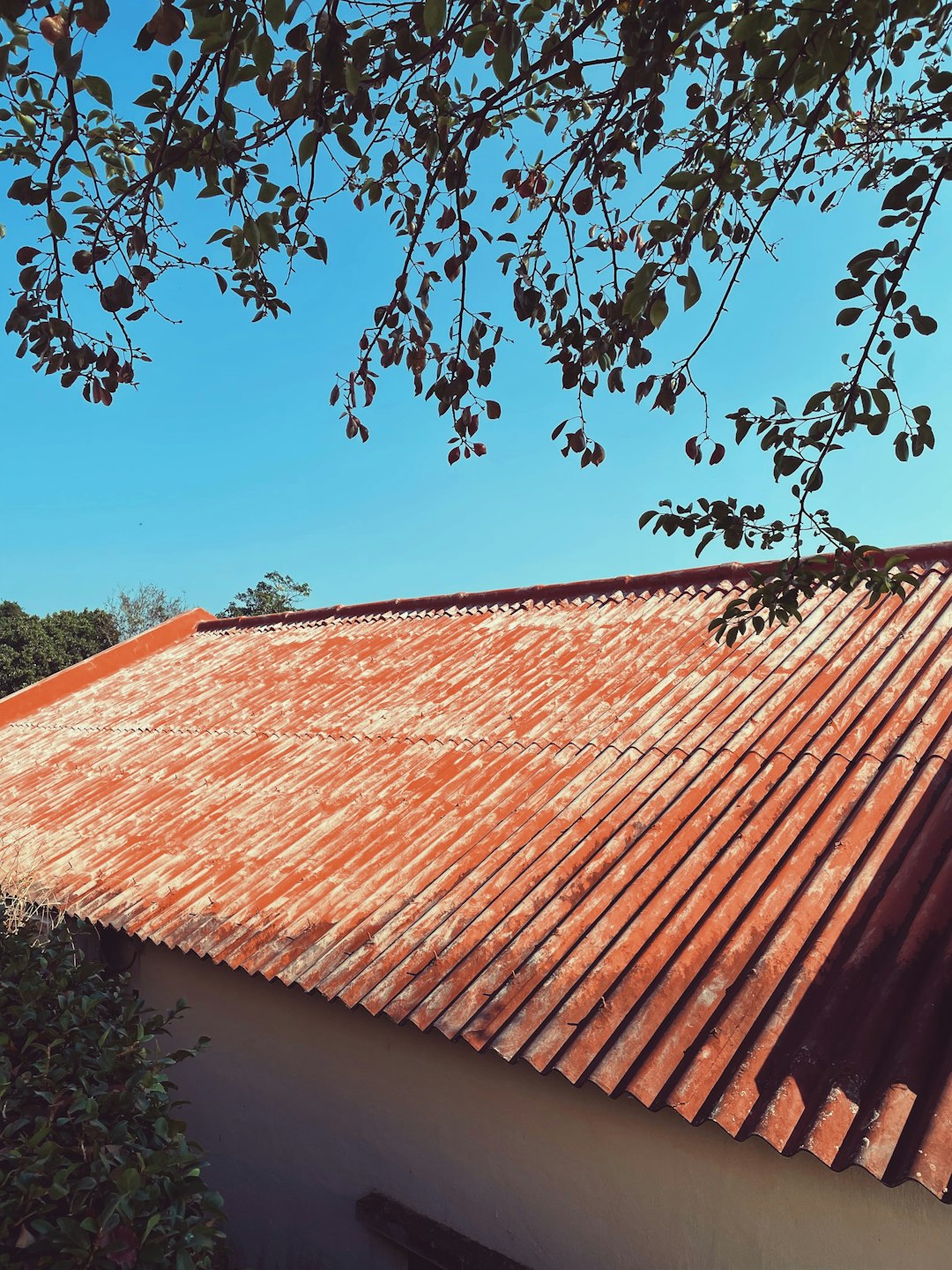
Metal roofs offer excellent solar mounting options. Standing seam metal roofs use clamps. These clamp onto the raised seams without penetration. This is my favorite method. It creates no roof holes. It maintains the roof's waterproof integrity. The S-5! clamp system works beautifully. It's strong and easy to install. Corrugated metal roofs need different approaches. They often use penetrating attachments with special seals.
Metal expands and contracts with temperature changes. Mounting systems must allow for this movement. Rigid attachments can cause metal fatigue. They can tear the roof material over time. I use sliding brackets or flexible connections. These accommodate thermal movement. They prevent stress on the roof panels. Proper installation preserves your metal roof warranty. Check with manufacturers like Fabral or MBCI for approved methods.
Flat Roof Attachments
Flat roofs use ballasted systems or penetrating mounts. Ballasted systems weigh down the panels with concrete blocks. They don't penetrate the roof membrane. This protects against leaks. But they add significant weight. The roof structure must support this extra load. Penetrating systems attach to the roof deck. They require careful waterproofing. I prefer ballasted systems when possible. They're easier to install and maintain.
Flat roof panels need tilt-up frames. These angle the panels toward the sun. The tilt improves energy production by 20-30%. The frames must withstand wind uplift. Flat roofs experience higher wind speeds. Proper ballasting prevents panels from blowing away. I follow ASCE 7 wind load calculations. These determine how much weight each panel needs. Safety is the top priority in high-wind areas.
Cost Breakdown: What Homeowners Really Pay
Solar installation costs vary widely. Many factors affect the final price. I'll share real project examples from my work. These show what homeowners actually pay. The numbers include roof preparation and solar installation. All costs are for Texas installations in 2024.
Example 1: Standard Asphalt Shingle Roof
This homeowner had a 10-year-old roof in good condition. They installed a 6kW solar system. Total cost: $18,500. This included 18 panels and microinverters. Roof attachments used IronRidge FlashFoot 2. Labor took 3 days for 4 workers. The roof needed minor repairs before installation. We replaced 12 damaged shingles. We reinforced 3 rafters near the chimney. These extras added $1,200 to the project. The homeowner received a 30% federal tax credit. Their net cost was $12,950.
Example 2: Tile Roof with Complex Layout
This Spanish-style home had clay tile roofing. The roof had multiple levels and valleys. We used Quick Mount PV tile hooks. The 8kW system cost $28,000. Tile work added significant labor time. Workers used special tools to lift tiles without breaking them. We installed walk boards to protect the roof. The project took 5 days with 5 workers. The homeowner needed new underlayment in some areas. This added $2,500 to the cost. Their final price after incentives was $19,600.
Example 3: Metal Roof with Standing Seams
This modern home had a standing seam metal roof. We used S-5! clamps for attachment. The 10kW system cost $24,000. The clamp system was more expensive than penetrating mounts. But it preserved the roof warranty. Installation was faster than other methods. The project took 2.5 days with 3 workers. No roof repairs were needed. The metal roof was only 2 years old. The homeowner's net cost was $16,800 after tax credits.
Hidden Costs Homeowners Often Miss
- Roof Reinforcement: $800-$3,000 for structural upgrades
- Electrical Panel Upgrade: $1,200-$3,000 if panel is outdated
- Permit Fees: $200-$800 depending on location
- Tree Removal: $500-$2,000 for shade reduction
- Monitoring System: $500-$1,500 for advanced tracking
- Maintenance Contract: $200-$500 annually for cleaning and inspection
Materials Comparison: What Actually Works
I've tested dozens of mounting products over 15 years. Some work better than others. I'll share my hands-on experience. This helps you choose quality materials. Good materials prevent problems for decades.
Mounting System Manufacturers
IronRidge: My top choice for asphalt shingle roofs. Their FlashFoot 2 flashing is excellent. It has multiple layers of protection. The design channels water away from penetration points. I've installed thousands with zero leaks. Their rails are strong and easy to work with. The aluminum resists corrosion well.
Unirac: Good for commercial projects. Their systems are very sturdy. They handle heavy snow loads well. The installation requires more precision. Their flashing isn't as robust as IronRidge. I use them for ground mounts more than roof mounts.
Quick Mount PV: The best for tile roofs. Their tile hooks work perfectly. They have models for every tile type. The installation tools make the job easier. Their flashing integrates well with tile profiles. I recommend them for all tile roof projects.
S-5!: Perfect for standing seam metal roofs. Their clamps are brilliant engineering. They attach securely without penetration. The installation is fast and clean. I've never had a failure with their products. They're worth the higher price.
Sealants and Waterproofing
Sealants prevent leaks at penetration points. I've learned which products last. Cheap sealants fail in 2-3 years. Quality sealants last 20+ years. Here's what works in Texas heat.
Butyl Tape: Excellent for metal flashing connections. It stays flexible for decades. It doesn't dry out or crack. I use it under all L-feet and flashing. It creates a reliable secondary seal.
Silicone Sealant: Best for final waterproofing. Use high-quality silicone like Dow Corning 795. It withstands UV exposure and temperature swings. Apply it around bolt heads and flashings. It remains flexible through expansion and contraction.
Polyurethane Sealant: Good for certain applications. It's more rigid than silicone. Use it where movement is minimal. It adheres well to most materials. But it can crack in extreme temperature cycles.
Avoid cheap acrylic caulks. They look good initially but fail quickly. They shrink and crack within a year. They're not suitable for roof applications. Invest in quality sealants from reputable brands.
The Installation Process: Step-by-Step from Field Experience
Proper installation follows a specific sequence. Skipping steps causes problems. I'll walk you through our standard process. This comes from 500+ successful installations. Each step has a purpose and quality check.
Step 1: Site Assessment and Planning
We start with detailed measurements. We map the entire roof surface. We locate every rafter using a stud finder. We mark rafter locations with chalk lines. We identify obstacles like vents and chimneys. We plan the panel layout for optimal sun exposure. We calculate weight loads and wind uplift forces. We review local building codes and HOA requirements. This planning phase takes 2-4 hours. It prevents mistakes during installation.
Step 2: Roof Preparation
We clean the roof surface thoroughly. We remove debris and dirt. We inspect each shingle or tile at attachment points. We replace any damaged materials. We install temporary walk boards if needed. We set up safety equipment and fall protection. We organize all tools and materials on the ground. Proper preparation makes installation faster and safer.
Step 3: Attachment Point Installation
This is the most critical phase. We install L-feet or mounting brackets first. Each attachment must hit the center of a rafter. We use a drill with a depth stop to prevent over-drilling. We apply butyl tape under each foot. We torque bolts to manufacturer specifications. Over-tightening cracks shingles or tiles. Under-tightening causes movement. We install flashing over each attachment. We seal thoroughly with silicone. We check each point for water tightness.
Step 4: Rail Installation
We attach mounting rails to the L-feet. Rails must be perfectly level and straight. We use laser levels for accuracy. We allow for thermal expansion gaps between rail sections. We torque all connections properly. We install mid-clamps and end-clamps as needed. We verify the entire structure is rigid and secure. We check for any sharp edges that could damage wires.
Step 5: Panel Installation
We lift panels onto the roof carefully. We use panel carriers or cranes for heavy panels. We clip panels onto the rails starting from the bottom. We connect panel wires as we go. We maintain proper spacing between panels for expansion. We install microinverters or optimizers if used. We secure all wiring with clips. We never step on panels - they can crack easily.
Step 6: Electrical Connection
A licensed electrician handles this phase. They run conduit from panels to inverters. They install disconnect switches and breakers. They connect to the main electrical panel. They ground the entire system properly. They install monitoring equipment if included. They test all circuits for proper operation. They verify system grounding meets code requirements.
Step 7: Final Inspection and Cleanup
We inspect every attachment point again. We check all seals and flashings. We verify panel alignment and security. We clean the roof and remove all debris. We test the system operation completely. We walk the homeowner through system monitoring. We provide all documentation and warranties. We schedule a follow-up inspection in 30 days.
Practical Homeowner Tips from Real Projects
I've learned valuable lessons from hundreds of homeowners. These tips come from their experiences. They'll help you navigate your solar project successfully.
Tip 1: Get Multiple Roof Inspections
Don't rely on the solar company's roof assessment alone. Hire an independent roofing contractor. Get a second opinion on roof condition. Solar installers might miss roofing issues. Roofing specialists understand materials and wear patterns. The $200 inspection fee could save you thousands.
Tip 2: Understand Your Warranties
Solar installations involve multiple warranties. You have panel warranties, inverter warranties, and workmanship warranties. The roof attachment has its own warranty. Make sure all warranties are in writing. Understand what voids each warranty. For example, walking on panels voids most panel warranties. Improper cleaning can void roof warranties. Keep all warranty documents organized.
Tip 3: Plan for Future Roof Maintenance
Solar panels make roof repairs more difficult and expensive. Plan ahead for maintenance needs. Leave access paths to roof areas that might need repair. Consider installing walkways during solar installation. These provide safe access without removing panels. Discuss maintenance access with your installer. Get written procedures for future roof repairs.
Tip 4: Monitor Your System Daily
Modern solar systems have monitoring apps. Check your system's performance daily for the first month. Look for consistent energy production. Sudden drops indicate problems. Catching issues early prevents bigger problems. Monitor after heavy rain for potential leaks. Check attic spaces for water stains. Early detection saves money on repairs.
Tip 5: Maintain Proper Documentation
Keep detailed records of your installation. Save photos of the roof before installation. Keep copies of all permits and inspections. Save manufacturer specifications for all materials. Keep receipts for all payments. This documentation helps with insurance claims. It's essential for warranty claims. It adds value if you sell your home.
Frequently Asked Questions from Real Customers
Will solar panels damage my roof?
Properly installed solar panels protect your roof. They shield shingles from UV rays and weather. However, poor installation can cause damage. Penetrations must be sealed correctly. Attachments must not stress roofing materials. Hire experienced installers who understand roofing. Get references from previous customers. Check their roofing credentials and certifications.
How much weight do solar panels add to my roof?
Solar panels add 2-4 pounds per square foot. Mounting hardware adds another 1-2 pounds. The total is 3-6 pounds per square foot. Most modern roofs handle this easily. Older homes might need reinforcement. Have a structural engineer assess your roof if concerned. They can calculate your roof's load capacity. They'll recommend reinforcements if needed.
Can I install solar on an old roof?
You can, but it's not recommended. Solar panels last 25-30 years. If your roof needs replacement in 5 years, you'll pay to remove and reinstall panels. This costs $3,000-$6,000. Replace your roof first if it's near end of life. Time the projects together for best results. Some companies offer roof-and-solar packages. These coordinate both installations efficiently.
What happens if my roof leaks under solar panels?
First, identify the leak source. It might not be from solar attachments. Check other roof areas first. If it's from a solar attachment, contact your installer immediately. Reputable companies warranty their work against leaks. They should repair it at no cost. Document the leak with photos. Protect interior spaces from water damage. Temporary fixes might be needed until repairs are complete.
Do solar panels affect roof warranty?
They can if not installed properly. Most roofing manufacturers have specific requirements. They require certified installers or approved methods. Using unapproved attachments voids the warranty. Check with your roofing manufacturer before installation. Get their written approval of your mounting system. Choose installers certified by roofing manufacturers like GAF or CertainTeed.
How do I clean my roof with solar panels?
Use soft brushes and mild detergent. Never use pressure washers - they damage panels and seals. Clean from the ground with extension poles if possible. If you must get on the roof, walk only on designated paths. Never step on panels. Clean in early morning or late evening when panels are cool. Avoid abrasive cleaners that scratch surfaces. Consider professional cleaning every 2-3 years.
Can I remove solar panels myself for roof repair?
I strongly advise against this. Solar systems have high-voltage DC electricity. Improper handling can cause serious injury or death. Removal requires electrical disconnection by a licensed electrician. Panel removal needs special tools and training. Reinstallation must be done precisely to prevent leaks. Always hire professionals for removal and reinstallation. Factor this cost into any roof repair budget.
Real Project Case Studies with Outcomes
Case Study 1: The Prevented Disaster
A homeowner wanted solar panels on their 20-year-old roof. The solar company said the roof looked fine. The homeowner called us for a second opinion. We found extensive rot in the roof deck. Several rafters needed replacement. The roof had only 2-3 years of life remaining. We recommended roof replacement first. The homeowner replaced the roof, then installed solar. Total cost: $28,000 for both projects. If they had installed solar first, they would have paid $6,000 to remove and reinstall panels in 3 years. Our inspection saved them $6,000 and prevented major water damage.
Case Study 2: The HOA Challenge
A homeowner in a strict HOA community wanted solar. The HOA required specific panel placement and color. They also required hidden wiring and conduit. We designed a system that met all requirements. We used black panels that matched the roof. We ran conduit through the attic instead of outside. We placed panels where they weren't visible from the street. The project cost 15% more than standard installation. But the homeowner gained HOA approval and solar benefits. The system produces 95% of their electricity needs. They're happy with the aesthetic result.
Case Study 3: The Storm Damage Recovery
Hail damaged a home with existing solar panels. The roof needed replacement. The solar panels were only 3 years old. We coordinated with the insurance company and solar installer. We handled roof replacement while the solar company removed and stored panels. We installed a new roof with reinforced attachment points. The solar company reinstalled the panels. The entire process took 3 weeks. Insurance covered roof replacement and panel reinstallation. The homeowner paid only their deductible. Proper coordination made the process smooth.
Industry Statistics with Source Attribution
The solar industry is growing rapidly. Understanding trends helps make informed decisions. These statistics come from reliable sources. They show the current state of solar roofing.
The Solar Energy Industries Association (SEIA) reports 4.6 million solar installations in the U.S. as of 2024. Texas ranks second in solar capacity growth. Residential solar installations increased 34% in 2023. The average system size is now 7.6 kW. Costs have dropped 47% over the past decade.
According to the National Renewable Energy Laboratory (NREL), proper installation increases system lifespan by 5-10 years. Systems with quality mounting last 30+ years. Systems with poor installation fail in 10-15 years. Roof-integrated systems have 5% higher efficiency than standard mounts. But they cost 20% more to install.
The International Association of Certified Home Inspectors found that 23% of solar installations have roof attachment issues. Common problems include missing rafters and inadequate sealing. These issues cause leaks in 8% of installations within 5 years. Proper inspection reduces this risk to less than 1%.
Insurance industry data shows solar panels increase home value by 4.1% on average. Homes with solar sell 20% faster than comparable homes without solar. Proper documentation of installation adds to this value increase. Solar panels also reduce insurance claims for roof damage from UV exposure.
Step-by-Step Guide: Choosing Your Solar Installer
Choosing the right installer is crucial. Follow this proven method from my experience. It ensures you select a qualified professional.
- Research Local Companies: Start with 5-10 companies in your area. Check their websites and reviews. Look for roofing experience specifically.
- Verify Credentials: Check licenses and certifications. Look for NABCEP certification for solar. Look for roofing manufacturer certifications. Verify insurance coverage is current.
- Request References: Ask for 3-5 recent customers. Contact them and ask about their experience. Visit completed projects if possible.
- Get Detailed Quotes: Request itemized quotes from 3 companies. Compare equipment brands and warranties. Compare labor warranties specifically.
- Interview Project Managers: Meet the person who will manage your project. Ask about their roofing experience. Discuss their process for protecting your roof.
- Review Contracts Carefully: Read all terms and conditions. Understand warranty coverage and exclusions. Clarify who handles permits and inspections.
- Check Financial Stability: Verify the company has been in business 5+ years. Check for any lawsuits or complaints. Ensure they can honor long-term warranties.
Conclusion: Your Path to Successful Solar Roofing
Attaching solar panels to your roof is a significant investment. It can provide clean energy for decades. But it must be done correctly. The key is understanding both solar and roofing. Your roof is the foundation for your solar system. Protect it with proper assessment and installation. Choose materials that withstand your local climate. Hire professionals with proven roofing experience.
Start with a thorough roof inspection. Address any issues before solar installation. Select mounting systems designed for your roofing material. Follow manufacturer specifications exactly. Document everything for future reference. Monitor your system regularly for optimal performance. Plan for future maintenance needs from the beginning.
Your next step is getting a professional roof assessment. Contact a certified roofing contractor first. Then consult with solar installers who understand roofing. Compare multiple quotes with detailed specifications. Ask questions until you feel confident. Your due diligence today prevents problems tomorrow. A properly installed solar system protects your roof. It provides clean energy. It increases your home's value. Take the time to do it right the first time.