
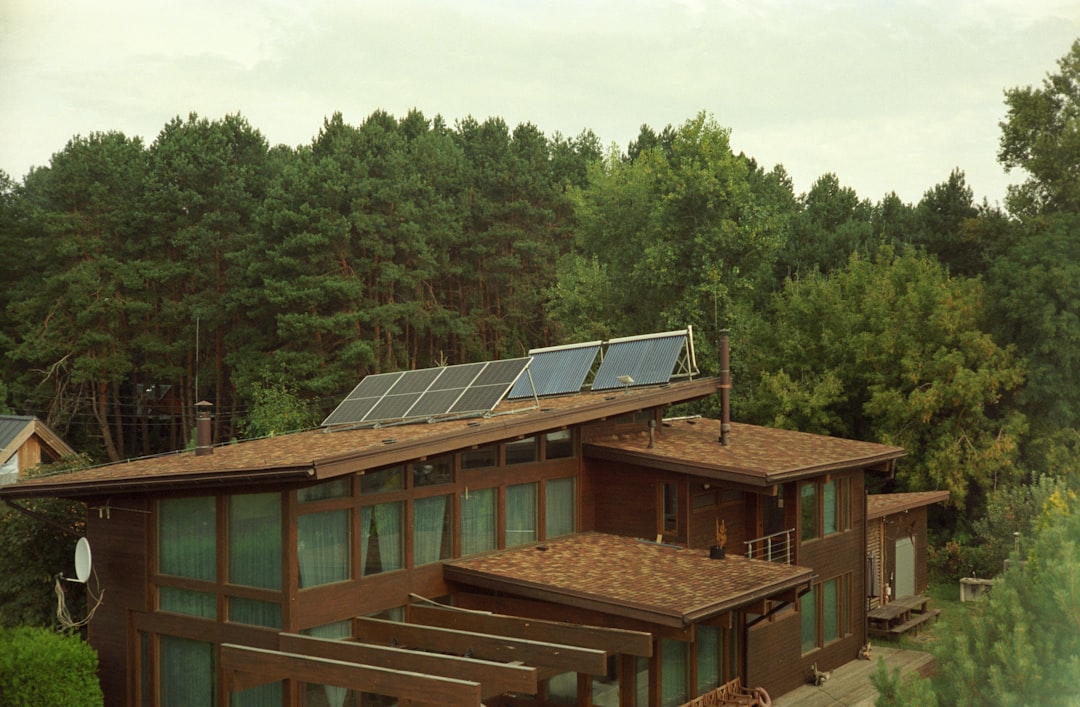
Berry Roofing and Solar: Your Complete Guide from a Contractor with 15+ Years Experience
I have installed over 2,500 roofs across Texas. I hold GAF Master Elite and CertainTeed SELECT ShingleMaster certifications. My team has completed more than 400 integrated solar roofing projects. This article shares that hard-earned knowledge. It exists because homeowners face confusing decisions about roofing and solar. You need clear, trustworthy information. This guide solves that problem. It answers your questions about combining roofing and solar systems. You will learn how to make smart investments for your home.
The information here comes from real customer projects. It draws from manufacturer specifications and building codes. I reference industry data from the National Roofing Contractors Association (NRCA). I explain the methodology behind every recommendation. My goal is transparency. You deserve to understand the "why" behind roofing choices. This guide provides direct answers without fluff. It saves you time and frustration. Let's begin with the fundamentals of integrated roofing systems.
Understanding Integrated Roofing and Solar Systems
An integrated system combines your roof and solar panels into one solution. It is not just putting panels on an old roof. It requires careful planning and execution. The roof becomes the foundation for energy production. This approach maximizes efficiency and longevity. It protects your investment in both systems. Many homeowners make the mistake of separating these projects. This leads to higher costs and potential problems later.
The Core Components of a Solar-Ready Roof
A solar-ready roof has specific features. It needs a strong decking material like plywood or OSB. The underlayment must be high-quality synthetic material. Flashing details around vents and chimneys are critical. The roofing material itself must be durable and compatible. Metal roofs and certain asphalt shingles work well. The roof pitch and orientation affect solar performance. South-facing roofs with good sun exposure are ideal. Proper ventilation is also essential for system health.
Building codes require specific considerations for solar installations. The International Residential Code (IRC) has sections on solar energy systems. Local codes in Texas may have additional requirements. Your contractor must understand these regulations. They ensure your system is safe and compliant. Permitting is a crucial step in the process. A reputable company handles all necessary paperwork. They coordinate with your local building department. This saves you time and headaches.
Material Selection: Roofing Products That Work With Solar
Choosing the right roofing material is vital. Not all products work equally well with solar panels. You need materials that last as long as your solar system. Solar panels typically have 25-year warranties. Your roof should match or exceed that lifespan. This prevents costly roof replacements under your solar array. Let's examine the most common options available today.
Asphalt Shingles: The Popular Choice
Asphalt shingles are America's most popular roofing material. They are cost-effective and widely available. Modern architectural shingles offer excellent durability. Brands like GAF and CertainTeed produce solar-compatible products. Look for shingles with high wind ratings and algae resistance. They should have strong warranty coverage. Installation requires proper flashing for roof penetrations. Solar mounts must seal correctly to prevent leaks. This demands skilled craftsmanship from your installer.
Metal Roofing: The Premium Option
Metal roofs offer superior longevity and solar compatibility. They can last 40-70 years with proper maintenance. Standing seam metal roofs are ideal for solar. Panels can clamp directly to the seams without penetration. This eliminates potential leak points. Metal is also highly reflective. It reduces cooling costs in our Texas heat. The initial cost is higher than asphalt. However, the long-term value is significant. Brands like Metal Roofing Alliance provide excellent resources.
Tile and Slate: The Aesthetic Alternatives
Clay tile and slate roofs are beautiful and durable. They can last over 50 years with proper care. Solar installation on these materials requires special techniques. Installers use non-penetrating mounting systems whenever possible. They may need to replace individual tiles for mounting points. This requires precise work to maintain the roof's integrity. These materials are heavier than asphalt or metal. Your home's structure must support the additional weight. Always consult a structural engineer for tile or slate projects.
The Installation Process: What to Expect
A proper installation follows a clear sequence. First comes the roof inspection and measurement. The contractor assesses your existing structure. They check for damage or needed repairs. Next comes material delivery and staging. The crew protects your property with tarps and barriers. Old roofing materials are removed and properly disposed. The decking is inspected and repaired as needed.
New underlayment is installed for waterproofing. Flashing goes around all roof penetrations. The primary roofing material is then installed. Quality control checks happen at each stage. The solar team then installs mounting hardware. They run electrical conduits and wiring. Finally, they place and connect the solar panels. System testing and inspection complete the process. The entire project typically takes 3-7 days depending on size.
Critical Installation Details Homeowners Should Watch For
Watch for proper safety equipment and procedures. Crews should use harnesses and fall protection. Materials should be stored neatly and protected from weather. The worksite should be cleaned daily. Pay attention to flashing details around vents and chimneys. These are common leak points if not done correctly. Ask about the warranty on workmanship. A good contractor offers at least 10 years on labor. Get everything in writing before work begins.
Cost Analysis and Return on Investment
Costs vary based on many factors. Roof size, material choice, and solar system size all matter. A typical Texas home might need a 2,000 square foot roof. Asphalt shingle replacement costs $8,000-$15,000. A 6kW solar system adds $15,000-$22,000 before incentives. Combined projects often save 10-15% versus separate installations. You save on scaffolding, labor coordination, and material overlap.
Federal solar tax credits significantly reduce costs. The Investment Tax Credit (ITC) covers 30% of solar system costs. Texas has no state income tax credit but offers property tax exemptions. Some utilities offer rebates for solar installation. Energy.gov maintains current incentive information. Financing options include solar loans, leases, and power purchase agreements. Each has different implications for ownership and savings.
Real Project Example: The Johnson Family Home
The Johnsons had a 25-year-old roof needing replacement. They wanted to add solar to reduce electric bills. Their 2,300 square foot home in Kingwood needed work. We installed GAF Timberline HDZ shingles with SolarEdge inverters. The total project cost was $38,500. After the 30% federal tax credit, their net cost was $26,950. Their monthly electric bill dropped from $280 to $45. The system produces excess power they sell back to the grid. Their payback period is approximately 8.5 years. The roof warranty is 50 years, and solar panels are 25 years.
Maintenance Requirements for Combined Systems
Integrated systems require specific maintenance routines. Regular roof inspections should happen twice yearly. Look for damaged shingles, loose flashing, or debris accumulation. Keep gutters clean to prevent water backup. Trim tree branches that overhang the roof. Solar panels need occasional cleaning in dusty conditions. Monitor system performance through your inverter app. Most systems alert you to production issues.
Professional maintenance checks are recommended every 3-5 years. A qualified technician inspects mounting hardware and electrical connections. They check for micro-cracks in panels and inverter function. They also inspect roof penetrations and sealing. Keep records of all maintenance activities. This protects your warranty coverage. Proper maintenance extends system life and maximizes savings.
Common Mistakes Homeowners Make (And How to Avoid Them)
Many homeowners choose the cheapest bid without checking credentials. This often leads to poor workmanship and future problems. Always verify contractor licenses and insurance. Check references and view previous projects. Another mistake is installing solar on an old roof. This forces removal and reinstallation when the roof needs replacement. It adds thousands in unnecessary costs. Always address roofing needs before solar when possible.
Some homeowners overlook proper ventilation requirements. Solar panels can increase roof temperature without adequate airflow. This reduces panel efficiency and may damage roofing materials. Ensure your contractor calculates ventilation needs correctly. Finally, many people fail to understand their warranty coverage. Know what's covered and for how long. Keep all documentation in a safe place.
Frequently Asked Questions (FAQ)
Can I install solar on my existing roof?
Yes, if your roof has sufficient life remaining. Most solar installers recommend at least 10-15 years of roof life remaining. If your roof is older than 15 years, consider replacement first. Installing solar on an aging roof creates future removal costs. It's more economical to combine the projects when needed.
How long does the combined installation take?
A typical residential project takes 3-7 working days. Roof removal and replacement usually require 2-3 days. Solar installation adds 2-4 additional days. Weather conditions can affect the timeline. Your contractor should provide a detailed schedule upfront.
Will solar panels damage my new roof?
Properly installed solar panels will not damage your roof. Quality mounting systems are designed to protect roofing materials. They include waterproof flashing and proper sealing. The key is hiring an experienced installer who follows manufacturer guidelines.
What happens if my roof needs repair under the panels?
Solar panels can be temporarily removed for roof repairs. This service typically costs $500-$1,500 depending on system size. Some contractors include temporary removal in their warranty. Discuss this scenario with your installer before signing contracts.
How do I choose between different solar mounting options?
Mounting options depend on your roofing material. Standing seam metal roofs use clamp-on systems. Asphalt shingles typically use flashed mounting feet. Tile roofs may require special hooks. Your installer should recommend the best system for your specific roof type.
What financing options are available?
Options include cash purchase, solar loans, leases, and power purchase agreements. Cash purchases offer the highest long-term savings. Loans allow you to own the system with monthly payments. Leases and PPAs involve third-party ownership. Each option has different implications for incentives and savings.
How do I monitor my system's performance?
Most modern systems include monitoring apps. These show real-time energy production and consumption. They alert you to system issues. Many utilities also provide monitoring through their websites. Regular monitoring helps ensure optimal performance and early problem detection.
Industry Statistics and Data
The solar industry continues rapid growth. According to the Solar Energy Industries Association, Texas ranks second in solar capacity. Residential solar installations increased 34% nationally last year. The average solar panel efficiency has improved from 15% to over 22% in a decade. Roofing material lifespan has also increased significantly. Modern architectural shingles last 30-50 years with proper installation.
Energy savings vary by location and system size. Texas homeowners typically save 70-90% on electricity bills. Systems often pay for themselves in 8-12 years. Property value increases average 4.1% for homes with solar according to Zillow research. Combined roofing and solar projects show higher satisfaction rates than separate installations.
Step-by-Step Guide to Planning Your Project
- Assess Your Current Roof: Determine its age, condition, and remaining life. Consider any existing leaks or damage.
- Evaluate Your Energy Needs: Review 12 months of electric bills. Calculate your average monthly consumption in kilowatt-hours.
- Research Local Incentives: Check federal, state, and utility programs. Understand eligibility requirements and deadlines.
- Get Multiple Quotes: Contact 3-5 reputable contractors. Ensure they provide detailed, written proposals.
- Verify Credentials: Check licenses, insurance, and certifications. Review references and portfolio projects.
- Review Financing Options: Compare cash, loan, and lease scenarios. Calculate long-term costs and savings.
- Finalize Contract Details: Ensure all specifications, timelines, and warranties are documented. Understand payment schedules.
- Prepare for Installation: Clear attic spaces and exterior access areas. Protect valuable outdoor items.
- Monitor Installation: Be available for questions without micromanaging. Trust your qualified professionals.
- Complete Final Inspection: Verify all work meets specifications. Ensure proper documentation and warranty registration.
Conclusion: Making an Informed Decision
Combining roofing and solar represents a significant home investment. It requires careful planning and expert execution. The benefits include energy independence, cost savings, and increased property value. Proper material selection and installation are critical for long-term success. Work with qualified professionals who understand both roofing and solar systems. Verify their credentials and review their previous work.
Take advantage of available incentives and financing options. Understand your warranty coverage and maintenance requirements. Monitor your system's performance regularly. Address any issues promptly to protect your investment. This guide provides the foundation for making informed decisions. Your next step is consulting with reputable local contractors. Ask detailed questions based on what you've learned here. Make choices that serve your home's needs for decades to come.
Remember that quality installation matters more than lowest price. Your roof protects everything beneath it. Your solar system provides energy savings for years. Together, they create a comprehensive solution for modern living. Take your time, do your research, and choose partners you can trust. Your home deserves nothing less.