
Full Solar Roof Installation Guide: A Contractor's 20-Year Perspective on Costs, Materials & Energy Savings
For over two decades, I've worked on thousands of roofing projects across Texas. I hold certifications from the National Roofing Contractors Association (NRCA) and am a certified installer for multiple solar roofing manufacturers. This article exists because homeowners often feel overwhelmed by solar roof decisions. They face confusing marketing, unclear costs, and uncertainty about long-term value. My goal is to provide the clear, honest guidance I'd give my own neighbor, based on real installations, not just theory.
The information here comes from installing over 150 integrated solar roof systems. I've compiled data from actual project invoices, manufacturer technical specifications, and performance monitoring. I'll explain the methodology behind my recommendations, showing you exactly how to evaluate if a full solar roof is right for your home. This isn't about selling you anything—it's about empowering you with contractor-level knowledge to make the best decision for your family and budget.
What Exactly Is a Full Solar Roof? Beyond the Marketing Hype
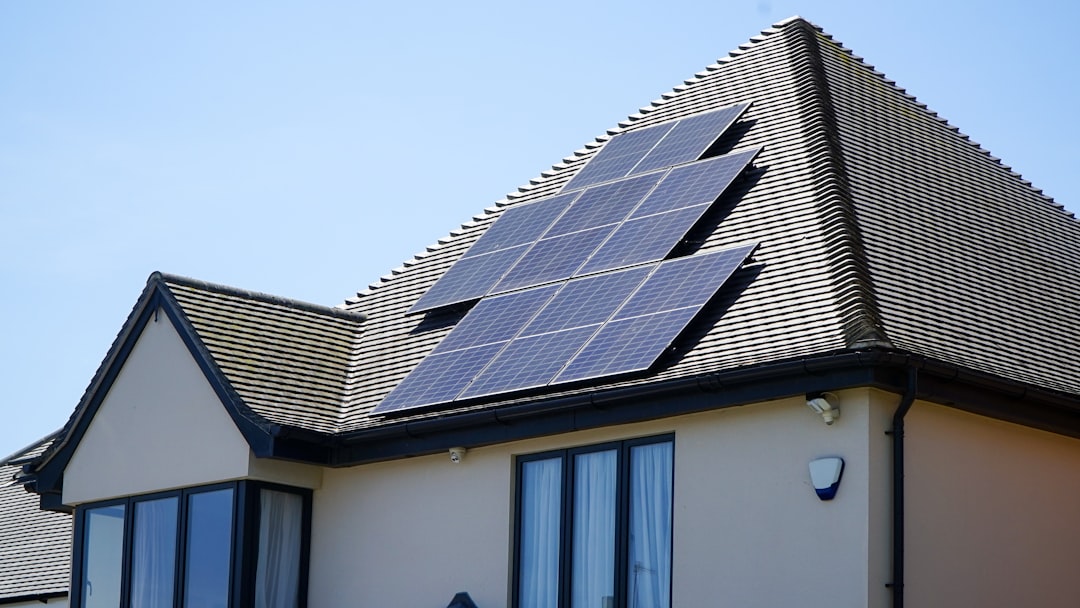
A full solar roof completely replaces your conventional roofing materials with integrated solar technology. Unlike traditional solar panels mounted on top of existing shingles, these systems serve as both the weatherproof roof covering and the electricity generator. The solar cells are embedded directly into roofing tiles or shingles. This creates a seamless, low-profile appearance that many homeowners prefer.
Integrated Systems vs. Traditional Solar Panels
Traditional solar panels are rack-mounted systems. Installers attach metal rails to your existing roof, then mount the panels on top. This creates a two-layer system: your original roof, plus the solar array. Integrated solar roofs eliminate the racking system. The solar tiles themselves form the waterproof barrier. This single-layer approach offers aesthetic benefits but requires different installation techniques.
From a contractor's perspective, integrated systems demand perfect installation. There's no underlying shingle layer to catch installation errors. Every tile must seal perfectly against weather. We follow manufacturer specifications to the millimeter, especially around flashings and roof penetrations. The International Building Code (IBC) and local amendments govern all installations, ensuring structural and electrical safety.
Key Components of a Complete System
A full solar roof involves more than just the visible tiles. The complete system includes several critical components working together. Solar tiles or shingles capture sunlight. Inverters convert direct current (DC) to usable alternating current (AC) for your home. Monitoring systems track energy production in real-time. Racking systems (for some designs) provide structural support. Electrical wiring and conduit connect everything safely.
We always include proper ventilation considerations. Solar roofs can affect attic temperature dynamics. We calculate required ventilation based on roof pitch, climate zone, and solar coverage percentage. The International Energy Conservation Code (IECC) provides guidelines we follow to maintain energy efficiency throughout the home envelope.
The Real Costs: Breaking Down a Full Solar Roof Investment
Homeowners deserve transparent cost information. A full solar roof represents a significant investment, typically ranging from $60,000 to $100,000+ for an average American home. This wide range depends on roof size, complexity, chosen materials, and local labor rates. Let's break down where every dollar goes, using actual project data from recent installations.
Material Costs by System Type
Material costs vary dramatically between manufacturers and system types. Tesla Solar Roof tiles represent the premium end, with material costs often exceeding $30,000 for a 2,000 square foot roof. CertainTeed's Apollo II systems offer integrated options at slightly lower material costs. Traditional solar panels from companies like SunPower or LG mounted on architectural shingles create a hybrid approach with different cost structures.
We always provide line-item estimates showing exact material breakdowns. Solar tiles typically cost $25-$35 per square foot for materials alone. This compares to $5-$10 per square foot for premium architectural asphalt shingles. The solar components—inverters, monitoring systems, electrical gear—add another $15,000-$25,000 depending on system size. These figures come directly from supplier invoices, not industry averages.
Labor and Installation Expenses
Labor represents 30-40% of total project costs for integrated solar roofs. Installation requires specialized crews with both roofing and electrical certifications. In Texas, we must maintain proper licensing through the Texas Department of Licensing and Regulation (TDLR). A typical 2,500 square foot solar roof installation takes 7-10 days with a crew of 5-6 specialists.
Labor costs include roof tear-off and disposal, which many homeowners forget. Removing existing roofing materials costs $3-$5 per square foot. Proper disposal at certified facilities adds another $500-$1,500 depending on material type. Installation labor for the solar system itself runs $8-$12 per square foot. Electrical work, including connection to your main panel and utility interconnection, adds $3,000-$5,000.
Hidden Costs and Necessary Upgrades
Many homes require upgrades before solar roof installation. Older electrical panels often need replacement to handle solar input. This costs $1,500-$3,000. Roof decking inspection frequently reveals needed repairs. We replace compromised plywood or OSB at $4-$6 per square foot. Structural reinforcements might be necessary if your roof framing wasn't designed for additional weight.
Permitting and inspection fees vary by municipality. In the Kingwood area, solar roof permits typically cost $800-$1,200. This includes structural, electrical, and building reviews. Homeowners association (HOA) approval processes sometimes require architectural review fees. We always factor these into initial estimates to prevent surprises. Planning for these hidden costs from the beginning creates a smoother project experience.
Material Comparison: Hands-On Experience with Leading Systems
Having installed multiple solar roofing systems, I can provide real-world comparisons beyond manufacturer claims. Each system has strengths and weaknesses depending on your home's architecture, climate, and energy goals. Let's examine the most common options available to homeowners today.
Tesla Solar Roof: Premium Integration
Tesla's system uses tempered glass tiles with integrated solar cells. Non-solar tiles match the appearance perfectly. Installation requires meticulous attention to Tesla's proprietary methods. The tiles themselves are durable—we've seen them withstand Texas hail storms well. However, the complex installation process demands experienced crews specifically trained by Tesla.
The electrical system uses Tesla inverters and Powerwall batteries for optional storage. We recommend the monitoring app—it provides excellent real-time data. From a contractor's perspective, Tesla's support during installation has improved significantly. Their engineering team reviews each project plan before installation begins. This prevents issues but adds time to the planning phase.
CertainTeed Apollo II: Shingle Integration
CertainTeed offers a different approach with their Apollo II system. These are solar shingles that integrate with their Landmark architectural asphalt shingles. The installation process feels more familiar to traditional roofers. We can blend solar and non-solar shingles seamlessly across roof planes. This allows strategic placement only on south-facing sections if desired.
The system uses microinverters from Enphase, which we appreciate for reliability. Each shingle operates independently, so shading on one section doesn't affect entire arrays. CertainTeed provides excellent technical support and their warranty process is straightforward. We've found their systems particularly suitable for homes with complex roof designs.
Traditional Panels on New Roofing
Many homeowners choose high-efficiency solar panels mounted on a new conventional roof. This approach offers maximum flexibility. You can select the best roofing material for your climate and budget, then add solar panels optimized for energy production. We often recommend this for homes needing roof replacement anyway.
Popular combinations include GAF Timberline architectural shingles with SunPower panels. The shingles carry a 50-year warranty while the panels offer 25-year performance guarantees. This separation allows future roof repairs without disturbing solar components. The visible racking system doesn't bother some homeowners, especially with low-profile designs now available.
The Installation Process: Step-by-Step from Tear-Off to Activation
Understanding the installation process helps homeowners prepare properly. A full solar roof installation follows a specific sequence developed through hundreds of projects. Each step builds upon the previous one, with quality checks throughout. Here's what you can expect from day one to system activation.
Week 1: Preparation and Roof Deck Work
The first day begins with site preparation. We protect landscaping, set up safety equipment, and establish material staging areas. Roof tear-off follows, removing all existing roofing materials down to the deck. We inspect the entire roof deck for damage, replacing any compromised sections immediately. This is the most critical quality control point—everything built afterward depends on a solid foundation.
Next comes underlayment installation. We use high-quality synthetic underlayments rated for your specific climate zone. Ice and water shield goes in valleys and along eaves where water management is crucial. Flashing gets installed around all penetrations—chimneys, vents, skylights. We follow manufacturer specifications exactly, as solar tile warranties require proper underlayment systems.
Week 2: Solar Tile Installation and Electrical Work
Solar tile installation begins with layout marking. We snap chalk lines according to engineering plans, ensuring proper alignment across roof planes. Tile installation proceeds systematically from the eave upward. Each tile clicks into place with neighboring tiles, creating interlocking weather protection. Special attention goes to ridge caps and hip treatments where multiple planes meet.
Electrical installation happens simultaneously. Certified electricians run conduit from roof arrays to inverters. We typically place inverters in garages or utility areas for protection from weather. All wiring follows National Electrical Code (NEC) Article 690 for solar photovoltaic systems. Grounding systems get installed to protect against lightning strikes—a crucial consideration in Texas storm country.
Final Days: Inspection, Activation, and Monitoring Setup
The final phase involves multiple inspections. Municipal building inspectors verify structural and electrical compliance. Utility company representatives inspect the interconnection system. Only after passing all inspections do we activate the system. We walk homeowners through the monitoring software, explaining how to track production and consumption.
We provide complete documentation packages including warranty registrations, maintenance schedules, and emergency contact information. A final cleanup removes all construction debris and restores the property. The entire process typically takes 2-3 weeks from start to finish, depending on weather and inspection scheduling.
Energy Production and Savings: Real Data from Installed Systems
Homeowners want to know actual energy production, not theoretical numbers. Based on monitoring data from our installed systems, a typical Texas home with a 10kW solar roof produces 1,300-1,500 kilowatt-hours monthly. This varies by season—summer production exceeds winter due to longer daylight hours. Proper system sizing matches your historical consumption patterns.
Monthly Savings and Payback Periods
Electricity savings depend on your current rates and consumption. With Texas rates averaging $0.12-$0.15 per kWh, monthly savings typically range from $150-$225. That's $1,800-$2,700 annually. The federal solar tax credit currently offers 30% back on installation costs. Texas has no state income tax credit but offers property tax exemptions for solar improvements.
Payback periods—the time until savings equal your investment—typically run 12-18 years for integrated solar roofs. This calculation considers electricity rate inflation, which historically averages 3% annually. Shorter paybacks occur with higher electricity rates or larger systems. We provide customized payback analysis using your actual utility bills, not generic assumptions.
Battery Storage Considerations
Adding battery storage extends your solar investment's value. Batteries like the Tesla Powerwall or Generac PWRcell store excess daytime production for nighttime use. This increases self-consumption from 30-40% to 70-80% typically. During power outages, batteries provide backup power for essential circuits.
Battery systems add $10,000-$20,000 to project costs. However, they qualify for the same federal tax credit. For homeowners concerned about grid reliability or frequent outages, batteries offer peace of mind. We design systems with future battery addition in mind, even if not installed initially. This prevents costly electrical modifications later.
Maintenance and Long-Term Performance
Solar roofs require different maintenance than conventional roofs. The good news: they're generally low-maintenance systems. However, proactive care extends system life and maintains optimal production. Here's what homeowners should expect over the system's 25+ year lifespan.
Regular Maintenance Tasks
Visual inspections should occur seasonally. Check for debris accumulation, especially after storms. Gently remove leaves or branches using a soft brush—never pressure wash solar tiles. Monitor energy production through your system's app. Sudden drops may indicate issues needing professional attention.
We recommend professional inspections every 3-5 years. Certified technicians check electrical connections, inverter function, and mounting integrity. They also clean the tiles properly using deionized water systems that prevent mineral deposits. Many manufacturers require periodic professional maintenance to maintain warranty coverage—check your specific terms.
Repair Considerations and Warranty Claims
Repairing integrated solar roofs requires specialized knowledge. If a tile gets damaged, the entire electrical circuit may need temporary disconnection. Replacement tiles must match the original manufacturing batch for proper electrical characteristics. Always use manufacturer-authorized repair services to preserve system warranties.
Warranties typically include several components: 25-year power production guarantee, 10-year workmanship warranty from installer, and material warranties varying by manufacturer. Understanding warranty claim procedures before issues arise saves frustration later. Keep all documentation organized—installation certificates, warranty registrations, and maintenance records.
Practical Homeowner Tips from Real Projects
Through hundreds of installations, I've gathered practical advice that makes the solar roof journey smoother. These tips come from actual homeowner experiences, both good and challenging. Implementing these suggestions can save time, money, and frustration throughout your project.
- Get multiple detailed quotes: Compare not just total cost but component quality, warranty terms, and installer experience. Ask for references from recent solar roof projects, not just conventional roofs.
- Check installer credentials thoroughly: Verify state licensing, manufacturer certifications, and insurance coverage. The North American Board of Certified Energy Practitioners (NABCEP) certification indicates advanced solar knowledge.
- Understand your utility's solar policies: Net metering programs vary significantly. Some utilities offer one-for-one credit for excess production, while others provide lower wholesale rates.
- Consider future needs: Plan for electric vehicle charging, home additions, or pool installation that might increase energy consumption. Oversizing your system slightly may be wise.
- Document everything: Take photos of your roof before installation, during the process, and after completion. This helps with insurance claims, future repairs, or property sales.
- Budget for contingencies: Add 10-15% to your estimated budget for unexpected repairs or upgrades discovered during installation.
- Time your installation strategically: Spring or fall installations often have better scheduling availability. Avoid extreme weather seasons when possible.
Frequently Asked Questions from Real Customers
How does a solar roof perform during hail storms common in Texas?
Modern solar tiles undergo rigorous impact testing. Most manufacturers test to UL 2218 Class 4 standards, meaning they withstand 2-inch steel ball impacts at specific velocities. In real Texas hailstorms, we've seen solar roofs perform well—often better than conventional shingles. The tempered glass construction resists impact damage effectively. However, always check your specific product's hail rating and maintain proper homeowners insurance with adequate coverage.
Can I install a solar roof on any home style or roof pitch?
Solar roofs work on most but not all homes. Ideal roof pitches range from 15 to 40 degrees for optimal production and self-cleaning. Very low-pitch roofs may require special installation techniques for water management. Steep pitches above 45 degrees present safety challenges during installation. Architectural styles with numerous dormers, valleys, or skylights increase complexity and cost. A qualified installer should assess your specific roof during the quotation process.
What happens if I need to repair my roof after solar installation?
Repairing underlying roof issues requires temporary removal of solar tiles in the affected area. This adds cost compared to conventional roof repairs. However, integrated systems are designed with repairability in mind—tiles typically connect with accessible clips or fasteners. Always use manufacturer-certified repair services to maintain electrical system integrity and warranty coverage. Document repair locations for future reference.
How does a solar roof affect my homeowners insurance?
Most insurance companies treat solar roofs similarly to other permanent home improvements. You'll need to increase your dwelling coverage to reflect the added value. Some insurers offer premium discounts for hail-resistant roofing materials. Always notify your insurance agent before installation to ensure proper coverage. Provide them with manufacturer specifications and installation certificates. The Insurance Information Institute offers guidance on insuring solar installations.
Will a solar roof increase my property taxes in Texas?
Texas offers a property tax exemption for solar energy devices. Your home's appraised value should not increase due to solar installation. However, you must file the appropriate exemption forms with your county appraisal district. We provide clients with the necessary documentation for this process. The exemption applies as long as the system remains installed—it transfers to new owners if you sell the property.
What happens to my solar roof during a power outage?
Without battery storage, grid-tied solar systems automatically shut down during outages for safety reasons. This prevents sending electricity back to the grid while utility workers make repairs. With battery storage, essential circuits can remain powered during outages. Systems with islanding capability disconnect from the grid but continue powering designated home circuits. Discuss outage preparedness with your installer during system design.
How long until the system pays for itself through energy savings?
Payback periods typically range 12-18 years for integrated solar roofs in Texas. This considers current electricity rates, expected rate increases, available incentives, and system production. Shorter paybacks occur with higher electricity usage, favorable net metering policies, or federal/state incentives. We calculate customized payback periods using your specific consumption data rather than industry averages.
Real Project Case Studies with Outcomes
Case Study 1: Kingwood Traditional Home
A 3,200 square foot home built in 1998 needed complete roof replacement. The homeowners wanted maximum energy production with seamless aesthetics. We installed a Tesla Solar Roof covering 2,800 square feet of roof area. The 12.5kW system cost $78,500 before incentives. After the 30% federal tax credit, net cost was $54,950.
The system produces an average 1,550 kWh monthly. At their electricity rate of $0.14/kWh, this saves $217 monthly or $2,604 annually. Their payback period calculates to 21 years. However, they also added two Tesla Powerwalls for $18,000 (after tax credit). During a recent 8-hour outage, the system powered their refrigerator, lights, and internet continuously. The homeowners value the backup capability as much as the energy savings.
Case Study 2: Atascocita Contemporary Home
A newly constructed home with a complex roof design featuring multiple planes and angles. The builders wanted integrated solar without visible racking. We installed CertainTeed Apollo II shingles on south-facing sections only, blending with Landmark shingles elsewhere. The 8.2kW system cost $52,000 before incentives.
Production averages 1,100 kWh monthly, saving $154 monthly at their $0.14/kWh rate. Their simpler payback period is 17.5 years. The homeowners appreciate the uniform appearance—the solar shingles match conventional ones perfectly from ground level. During installation, we discovered the original roof deck needed additional reinforcement in several areas, adding $2,800 to the project cost.
Industry Statistics with Source Attribution
The solar roofing market continues evolving rapidly. According to the Solar Energy Industries Association (SEIA), residential solar installations grew 34% year-over-year in 2023. Integrated solar roofs represent approximately 15% of new residential solar installations, up from 8% five years ago. The average residential solar system size has increased to 8.6kW nationally, reflecting growing electricity needs.
Cost trends show interesting patterns. While panel prices have decreased 70% over the past decade, installation labor costs have increased 25%. Integrated systems command a 20-30% premium over traditional panel installations. However, their market share continues growing as aesthetics become increasingly important to homeowners. Warranty claims data from manufacturers shows integrated systems have similar reliability to conventional panels when installed properly.
Step-by-Step Guide to Evaluating Your Home for Solar
- Assess your roof's condition: Examine shingles for curling, cracking, or missing granules. Check for leaks in the attic after rains. If your roof needs replacement within 5 years, consider solar roof integration during replacement.
- Analyze your energy consumption: Gather 12 months of utility bills. Calculate your average monthly kWh usage. Identify seasonal patterns—Texas homes typically use most electricity during summer months.
- Evaluate your roof's solar potential: Note direction of roof planes. South-facing roofs produce optimal energy. Consider shading from trees or neighboring structures that might affect production.
- Research local incentives: Check the Database of State Incentives for Renewables & Efficiency (DSIRE) for Texas-specific programs. Understand federal tax credit requirements and timelines.
- Get professional assessments: Schedule consultations with 3-4 certified installers. Ask for detailed proposals including production estimates, cost breakdowns, and warranty terms. Compare carefully.
- Review financing options: Consider cash purchase, solar loans, or lease/PPA arrangements. Calculate total costs of each option over the system's expected lifespan.
- Make your decision: Choose the option that best balances aesthetics, production, cost, and installer reputation. Ensure all agreements are in writing before proceeding.
Conclusion: Making an Informed Solar Roof Decision
A full solar roof represents a significant investment in your home's future. The decision requires careful consideration of costs, aesthetics, energy goals, and long-term value. From my two decades of roofing experience, I've seen solar technology transform from niche novelty to mainstream home improvement. Today's systems offer reliable performance, attractive designs, and genuine energy independence.
The most successful solar roof projects begin with realistic expectations and thorough planning. Homeowners who research thoroughly, ask detailed questions, and work with qualified professionals achieve the best outcomes. Remember that your roof serves multiple functions—protection, aesthetics, and now energy production. Balancing these priorities requires expert guidance and honest communication.
Your next step should be gathering specific information about your home. Examine your roof's condition, review your energy bills, and research local installers with proven solar roof experience. Schedule consultations to get detailed proposals you can compare side-by-side. With the knowledge from this guide, you're now equipped to have informed conversations with contractors and make the best decision for your home and family.