
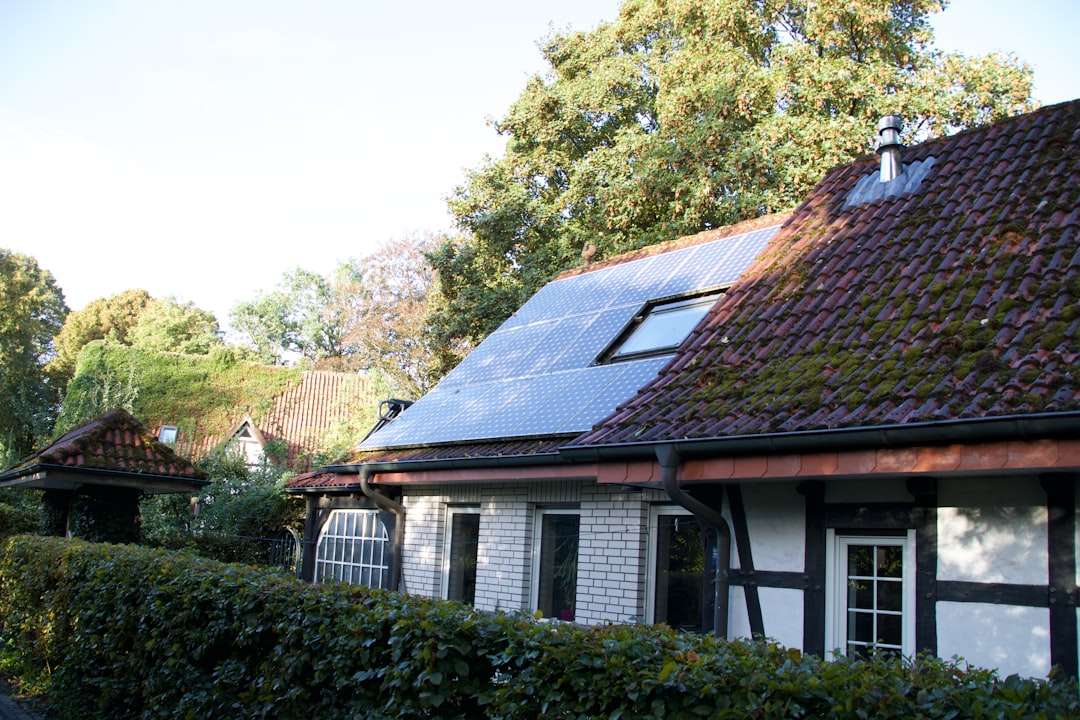
GAF Timberline Solar Roof: Your Complete Guide from a 15-Year Roofing Contractor
For over fifteen years, I've installed thousands of roofs across Texas. I hold GAF Master Elite® certification and have personally overseen dozens of Timberline Solar projects. This article exists because homeowners are bombarded with confusing solar options. You need clear, honest answers about whether this integrated system is right for your home and budget. I wrote this guide to solve that exact problem, using real project data, manufacturer specifications, and hands-on installation experience. My goal is to save you time and provide the comprehensive insight you won't find in a sales brochure. Let's cut through the noise and examine this innovative roofing solution together.
What is the GAF Timberline Solar Roof System?
The GAF Timberline Solar Roof is an integrated energy-generating roofing system. It combines traditional asphalt shingles with built-in solar technology. Unlike bulky solar panels, these are low-profile solar shingles. They blend seamlessly with your roof's appearance. The system is designed and manufactured by GAF Energy, a division of North America's largest roofing manufacturer. This integration is a key advantage. Your roof and solar power source come from a single company. This simplifies warranties and installation coordination.
Core Components and How They Work
The system has three main parts. First are the Timberline Solar Energy Shingles™. These look like high-quality asphalt shingles but contain photovoltaic cells. Second is the proprietary mounting and wiring system. It is installed directly onto the roof deck. Third are the necessary inverters and electrical components. These convert solar energy into usable electricity for your home. The shingles capture sunlight just like traditional panels. They generate direct current (DC) electricity. This flows through the integrated wiring to an inverter. The inverter changes it to alternating current (AC). AC power is what your home appliances use.
Detailed Technical Specifications and Performance
Understanding the technical details is crucial for informed decisions. Each Timberline Solar shingle has specific performance ratings. According to GAF Energy's official specifications, individual shingles have a power output. This varies slightly by model and sun exposure. The system's total output depends on how many shingles you install. You can cover part or all of your roof's sunny sections. Performance is measured in kilowatt-hours (kWh) per year. This depends heavily on your location and roof orientation.
Efficiency, Wattage, and Real-World Output
Solar shingle efficiency refers to how well they convert sunlight to electricity. Timberline Solar shingles have competitive efficiency for integrated products. Their wattage per shingle is a key specification. You can calculate a system's total potential wattage. Multiply the number of shingles by the wattage per shingle. Real-world energy production will be lower than the maximum. Factors like shading, roof pitch, and local weather affect output. GAF provides detailed production estimates for specific addresses. Always review these projections carefully.
Durability and Weather Resistance
These shingles are built to withstand harsh weather. They carry a Class 4 impact resistance rating from UL Solutions. This is the highest rating for hail resistance. They are also rated for wind speeds up to 130 mph. This meets strict building codes in hurricane-prone areas like Texas. The non-solar Timberline shingles have similar ratings. This creates a uniform, durable roof surface. The entire system is tested for long-term performance. It must endure decades of sun, rain, and thermal cycling.
Comprehensive Cost Analysis and Financial Considerations
Cost is the most common question from homeowners. The GAF Timberline Solar Roof is a premium product. Pricing depends on your roof size, energy goals, and location. Costs include materials, specialized labor, and electrical work. You are essentially paying for two major upgrades simultaneously. A new high-quality roof and a solar energy system. The total investment is significant but can offer long-term value.
Breakdown of Installation Costs
A complete Timberline Solar roof replacement involves multiple cost components. The solar shingles themselves are more expensive than standard shingles. The specialized mounting and electrical components add cost. Labor requires certified installers with dual expertise. Electrical work and interconnection to the grid have separate costs. Permits and inspections are required by local authorities. Always get detailed, line-item estimates from certified contractors. Compare the total cost against separate roof and solar panel installations.
Federal Tax Credits, Rebates, and Incentives
The federal solar investment tax credit (ITC) is a major financial benefit. As of 2025, it allows you to deduct a percentage of the system cost from your federal taxes. This includes both the solar shingles and supporting components. You must own the system and have sufficient tax liability. Many states and utilities offer additional rebates. Texas has specific programs for renewable energy. Check the Database of State Incentives for Renewables & Efficiency (DSIRE) for current offers. These incentives can reduce your net cost by thousands of dollars.
Long-Term Savings on Energy Bills
The primary financial return comes from reduced electricity bills. Your system will generate a portion of your home's power. This directly lowers your monthly utility costs. The amount saved depends on system size, energy usage, and local electricity rates. In areas with high rates, savings are more substantial. Many homeowners aim for a system that covers most of their annual usage. Excess power can often be sold back to the grid through net metering. This provides additional bill credits.
Installation Process: What Homeowners Can Expect
The installation process is more complex than a standard roof. It requires careful planning and coordination. Only GAF-certified contractors can install the Timberline Solar system. The process typically takes several days to a couple of weeks. Weather conditions can affect the timeline. Proper installation is critical for performance, safety, and warranty validity.
Step-by-Step Installation Timeline
Day one often involves site preparation and old roof removal. The roof deck is inspected and repaired if needed. Ice and water shield is installed in critical areas. Next, the specialized mounting system is secured to the deck. This creates the rails for the solar shingles. Then, the installation of both solar and non-solar Timberline shingles begins. The roofing crew works alongside electricians. Electrical wiring is integrated as the shingles are placed. Finally, inverters and electrical connections are completed. A final inspection by the contractor and local authorities is mandatory.
Choosing the Right Certified Contractor
Selecting your installer is the most important decision. Always choose a GAF Master Elite® contractor with Timberline Solar certification. Verify their license and insurance are current. Ask for references from recent solar roof projects. Review their portfolio of completed work. A good contractor will provide a detailed proposal and timeline. They should explain the process and answer all your questions clearly. Avoid contractors who pressure you or offer vague estimates. Check their rating with the Better Business Bureau.
Warranty Coverage and Long-Term Protection
Warranties provide peace of mind for your investment. The GAF Timberline Solar system comes with multiple warranty layers. Understanding each one is essential. Warranties cover materials, workmanship, and power output. They have specific terms, conditions, and claim procedures. Always read the warranty documents thoroughly before signing a contract.
Material and Workmanship Warranties
The solar shingles have a material warranty from GAF. This covers defects in the shingles themselves. The length is typically 25 years. The non-solar Timberline shingles also have strong warranties. The contractor provides a separate workmanship warranty. This covers installation errors. GAF offers enhanced warranty options when installed by Master Elite contractors. These can include wind and algae resistance warranties. Ensure all warranty documents are provided in writing.
Power Output and Performance Guarantee
The solar energy production is covered by a separate guarantee. GAF Energy guarantees the shingles will produce a certain percentage of their rated power. This guarantee typically lasts for 25 years. The guarantee states a minimum power output at specific year milestones. For example, it might guarantee 90% output at year 10 and 80% at year 25. This is standard for the solar industry. It accounts for normal degradation of photovoltaic cells over time.
Practical Homeowner Tips from Real Projects
Based on my field experience, here are actionable tips. First, get a professional roof evaluation before considering solar. Your roof deck must be in good condition. If your existing roof is near the end of its life, replacement makes sense. If your roof is relatively new, adding traditional panels might be more cost-effective. Second, analyze your electricity bills for the past year. Understand your consumption patterns in kilowatt-hours. This helps size the system correctly. Third, consider your future energy needs. Planning an electric vehicle or home addition? Factor that into your system size.
- Get Multiple Quotes: Always obtain at least three detailed estimates from certified installers. Compare the scope, products, and total costs.
- Check Your Roof's Sun Exposure: Use tools like Google's Project Sunroof for a preliminary assessment of your roof's solar potential.
- Review Your Homeowner's Insurance: Contact your insurance agent before installation. Discuss how a solar roof affects your policy and premiums.
- Understand Net Metering Policies: Contact your local utility company. Ask about their net metering rules and rates for solar energy buyback.
- Plan for Tree Maintenance: Trim any trees that shade your roof. Ensure they won't grow to shade the solar shingles in coming years.
Frequently Asked Questions (FAQ)
How does the GAF Timberline Solar Roof compare to traditional solar panels?
The main difference is integration. Solar panels are mounted on top of an existing roof. Timberline Solar shingles are the roof itself. Aesthetically, the shingles offer a lower-profile, more uniform look. For pure energy production per dollar, traditional panels often have a lower cost per watt. The integrated system's value comes from combining a roof replacement with solar generation. It is ideal when you need a new roof anyway.
Can the system power my home during a blackout?
Standard grid-tied systems automatically shut off during a power outage for safety. This protects utility workers. To have backup power, you need a dedicated battery storage system. GAF offers the Sunlight Backup system as an add-on. This includes a battery that stores excess solar energy. It can power critical circuits during an outage. This is an additional investment but provides energy security.
What maintenance does the solar roof require?
Maintenance is generally minimal. You should keep the shingles clear of debris like leaves and branches. Inspect them visually after major storms. The electrical components are designed to be maintenance-free. Monitoring is done through a smartphone app. It shows your system's energy production in real time. You should have a professional inspection every few years. This ensures all connections and seals remain intact.
Will a solar roof increase my property value?
Multiple studies show solar installations increase home value. The U.S. Department of Energy's Lawrence Berkeley National Laboratory has published research on this. A new roof also adds significant value. Combining both upgrades is generally viewed favorably by appraisers and buyers. It modernizes the home and reduces future operating costs. Always keep all installation and warranty documents for the next homeowner.
How long does the installation process take?
For an average-sized home, the process typically takes 5 to 10 business days. This depends on roof complexity, weather, and permit approvals. A simple, straightforward roof with good weather might be faster. A complex roof with multiple levels or dormers takes longer. Your contractor should provide a project schedule. This includes dates for tear-off, installation, electrical work, and final inspection.
Is my roof a good candidate for this system?
Good candidates have roofs with a large, unshaded south-facing section. The roof should be in good structural condition. The ideal roof pitch is between 18 and 45 degrees. Your electrical panel must have capacity for the new system. Homes with heavy shading from trees or other buildings are less ideal. The first step is a site assessment by a certified contractor. They will evaluate all these factors for free.
What happens if a solar shingle gets damaged?
Individual shingles can be replaced if damaged by hail or a fallen branch. The process is similar to replacing a standard shingle but requires a certified technician. The electrical connections must be handled safely. This is covered under the product warranty if it's a manufacturing defect. If damage is from an external event, it may be covered by your homeowner's insurance. Always use a certified contractor for any repairs.
Real Project Case Studies and Outcomes
Case Study 1: A homeowner in Kingwood, Texas, had a 20-year-old roof failing. They needed a full replacement and wanted solar. We installed a 8.5 kW Timberline Solar system covering their south-facing roof plane. The total project cost was significant. However, they qualified for the federal tax credit and a Texas rebate. Their monthly energy bill dropped by 85% on average. They were very pleased with the sleek appearance.
Case Study 2: A homeowner wanted to add solar but had a relatively new roof. After analysis, we determined adding traditional panels was more economical. The Timberline Solar system is best when roof replacement is already needed. This saved the homeowner thousands. It's a reminder that the integrated system isn't always the cheapest solar option.
Industry Statistics and Data
The solar industry is growing rapidly. According to the Solar Energy Industries Association (SEIA), residential solar installations continue to set records. Integrated solar roofs are a small but growing segment. Homeowners are increasingly interested in aesthetic solutions. The National Association of Realtors (NAR) notes that energy efficiency is a top priority for buyers. A new roof consistently ranks high in return on investment for home improvements. Combining these two upgrades aligns with strong market trends.
Step-by-Step Guide to Getting Started
- Initial Research: Educate yourself on solar basics and your energy usage. Gather 12 months of electricity bills.
- Find Certified Contractors: Use the GAF Energy website to locate certified installers in your area. Create a shortlist of three.
- Schedule Consultations: Have each contractor perform a free, on-site assessment. They will measure your roof and discuss your goals.
- Review Proposals: Compare the detailed proposals. Look at system size, estimated production, total cost, and warranty terms.
- Check Financing: Explore payment options. These include cash, solar loans, leases, or power purchase agreements (PPAs). Understand the pros and cons of each.
- Secure Approvals: Your contractor will handle permits and utility interconnection agreements. This process can take several weeks.
- Schedule Installation: Once permits are secured, schedule the installation. Prepare your home and clear the work area.
- Final Inspection and Activation: After installation, the system is inspected. Then, the utility company grants permission to operate (PTO). Your system goes live.
Conclusion and Your Next Steps
The GAF Timberline Solar Roof is a innovative and elegant solution. It is ideal for homeowners who need a new roof and want integrated solar. The decision requires careful financial and technical analysis. It is a significant investment with long-term benefits. Your next step is to gather information specific to your home. Start with a professional roof evaluation. Then, consult with certified installers for detailed proposals. Use this guide as a reference during your conversations. Ask informed questions and compare your options thoroughly. A well-planned solar roof can provide clean energy, lower bills, and protect your home for decades to come.