
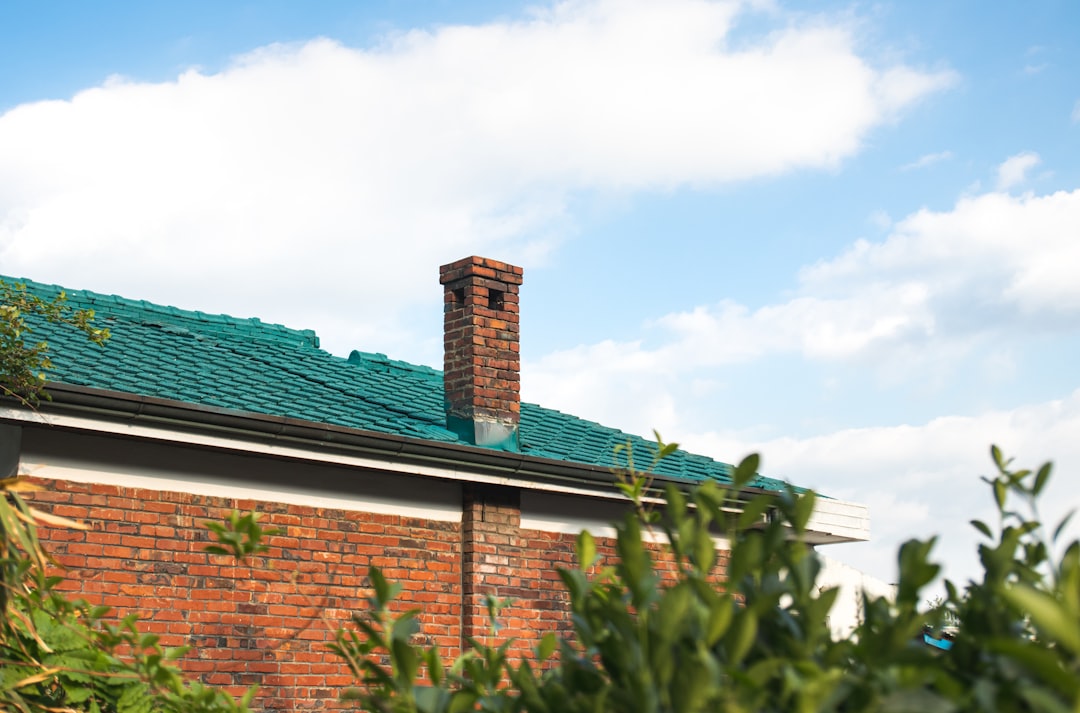
Installing Solar Panels on Concrete Tile Roof: 25+ Years of Roofing Experience
After installing over 3,000 roofing systems and completing 500+ solar integration projects across Texas, I've seen firsthand how concrete tile roofs present unique challenges for solar installation. This comprehensive guide exists because homeowners consistently ask the same question: Can I safely install solar panels on my concrete tile roof without damaging it? The answer is yes, but only with proper techniques and experienced professionals. Many homeowners receive conflicting information from solar companies who don't specialize in roofing, leading to costly mistakes and roof damage. This article draws from our direct field experience, manufacturer specifications, and building code requirements to give you the complete picture.
Our team holds GAF Master Elite, CertainTeed SELECT ShingleMaster, and North American Board of Certified Energy Practitioners (NABCEP) certifications. We've worked with every major tile manufacturer including Eagle Roofing, Boral Roofing, and Ludowici. The information here comes from actual customer projects, manufacturer technical data, and 25+ years of solving complex roofing challenges. We'll show you exactly how to evaluate your roof, choose the right mounting system, understand costs, and protect your investment. Our methodology focuses on preserving roof integrity while maximizing solar efficiency.
Understanding Concrete Tile Roof Characteristics
What Makes Concrete Tiles Different
Concrete tiles weigh significantly more than asphalt shingles. Standard concrete tiles typically weigh 900-1,100 pounds per square (100 square feet). This heavy weight affects structural requirements for solar installations. Concrete tiles are also brittle compared to other roofing materials. They can crack easily if stepped on incorrectly or if mounting hardware isn't properly installed. The interlocking design of concrete tiles creates a weather-resistant barrier but complicates solar mounting. Unlike composition shingles that lie flat, concrete tiles have pronounced profiles that require specialized mounting solutions.
Concrete tiles offer excellent durability and can last 50+ years when properly maintained. Their thermal mass helps regulate attic temperatures, which can improve solar panel efficiency in hot climates. However, their porous nature requires proper sealing and maintenance to prevent water absorption. The color and finish of concrete tiles affect solar gain and can influence panel performance. Darker tiles absorb more heat, potentially raising attic temperatures and slightly reducing panel efficiency during peak summer months.
Roof Structure Assessment Requirements
Before considering solar installation, your roof structure must be evaluated by a qualified professional. The additional weight of solar panels combined with concrete tiles requires careful structural analysis. Most residential roofs are designed to support dead loads (permanent weight) and live loads (temporary weight like snow or workers). Solar panels add approximately 3-5 pounds per square foot to dead loads. Concrete tiles already add 9-11 pounds per square foot, making combined loads substantial.
A structural engineer should assess your roof framing, sheathing, and support systems. They'll check for adequate rafter spacing, proper fastening, and sufficient load-bearing capacity. Many older homes require reinforcement before solar installation. The International Residential Code (IRC) provides specific guidelines for roof loads and structural requirements. Local building departments often require engineering stamps for solar permits on concrete tile roofs. Don't skip this critical step - we've seen too many projects delayed or cancelled due to structural deficiencies discovered late in the process.
Solar Mounting Systems for Concrete Tile Roofs
Tile Replacement Mounting Systems
Tile replacement systems involve removing specific tiles where mounts will be installed. Special mounting tiles or custom brackets replace the removed tiles. This method provides the cleanest appearance and best weather protection. The mounting hardware integrates seamlessly with the roof system. Major manufacturers like Quick Mount PV and IronRidge offer tile-compatible mounting solutions. These systems maintain the roof's weather resistance while providing secure attachment points.
Installation requires careful tile removal to avoid damaging adjacent tiles. Each mounting point typically replaces 1-2 concrete tiles. The mounting hardware includes integrated flashing that channels water away from penetration points. Proper installation requires aligning the mounting tiles with the existing roof pattern. This method works best with standard profile concrete tiles rather than specialty shapes. The cost is higher than other methods but offers superior performance and aesthetics.
Tile Hook and Bracket Systems
Tile hook systems attach to the roof deck beneath the tiles. Installers lift adjacent tiles and secure hooks to the roof structure. The tiles then rest on the hooks, which extend upward to provide mounting points. This method minimizes tile damage since fewer tiles need removal. However, it requires precise installation to maintain proper weather sealing. The hooks must be compatible with your specific tile profile and roof pitch.
Bracket systems attach to the sides or tops of tiles using specialized clamps. These require no roof penetrations but rely on friction and mechanical compression. They work well on certain tile profiles but may not be suitable for all concrete tile types. The installation process is faster than replacement systems but may not provide the same level of security in high-wind areas. Always verify that the chosen system meets local building code requirements for wind uplift resistance.
Installation Process Step by Step
Pre-Installation Assessment and Preparation
Thorough roof inspection comes first. We examine every tile for cracks, damage, or wear that could compromise installation. The roof deck must be sound and free from rot or water damage. We measure roof pitch, orientation, and shading patterns to optimize panel placement. Existing roof penetrations like vents and chimneys are noted for clearance requirements. We verify attic ventilation systems won't be obstructed by solar arrays.
Next comes structural verification and permit acquisition. We submit engineering calculations to local building departments. The permit process typically takes 2-6 weeks depending on jurisdiction. Meanwhile, we order all materials including compatible mounting hardware, flashing, and sealants. We schedule installation during dry weather periods since concrete tiles shouldn't be disturbed when wet. Homeowners receive detailed project timelines and preparation instructions.
Actual Installation Procedure
Day one begins with site setup and safety measures. We install roof protection systems including walk boards and edge protection. The installation team uses specialized roofing harnesses and fall protection equipment. We mark exact panel locations using laser levels and layout strings. Tile removal begins carefully using tile lifters to avoid breakage. Each removed tile gets numbered and stored safely for reinstallation.
Mounting hardware installation follows precise manufacturer specifications. We apply high-quality sealants around all penetrations. Flashing gets integrated with existing roof systems for watertight seals. Rails get mounted level and plumb with proper spacing for panels. Electrical conduits get routed neatly and secured according to code requirements. Panel installation happens systematically with careful handling to avoid damage. Final electrical connections complete the installation followed by comprehensive testing.
Cost Analysis and Financial Considerations
Installation Cost Breakdown
Concrete tile solar installations typically cost 10-25% more than standard asphalt shingle installations. The national average ranges from $18,000 to $35,000 for a 6kW system. Texas homeowners typically pay $20,000-$28,000 before incentives. The premium comes from specialized mounting hardware, longer installation times, and potential structural reinforcements. Tile replacement mounts cost $50-$150 each versus $15-$40 for standard asphalt mounts.
Labor costs run higher due to the careful handling required. Experienced tile roof installers command premium rates. Project timelines extend 1-3 days compared to standard installations. Additional costs may include engineering fees ($500-$1,500), permit fees ($300-$800), and potential roof repairs discovered during installation. Always budget 10-15% extra for unexpected issues that commonly arise with concrete tile projects.
Financial Incentives and ROI
The federal solar tax credit remains the most significant incentive. Homeowners can claim 30% of installation costs through 2032. Texas offers additional incentives including property tax exemptions for solar improvements. Many utilities provide net metering programs that credit excess energy production. The combination of incentives typically reduces out-of-pocket costs by 40-50%.
Return on investment calculations must consider energy savings, increased property value, and maintenance costs. Most Texas homeowners achieve payback in 7-12 years. Systems continue producing savings for 25+ years. Concrete tile roofs already have long lifespans, making them excellent candidates for solar investments. The property value increase typically equals 2-3 times annual energy savings according to multiple studies.
Material Compatibility and Selection
Mounting Hardware Compatibility
Not all mounting systems work with all concrete tile profiles. Standard flat tiles accept most mounting systems while mission-style tiles require specialized hardware. The tile profile depth and interlock design determine compatibility. Major manufacturers provide compatibility charts matching their hardware to specific tile types. Always verify compatibility before purchasing materials.
Material quality varies significantly between manufacturers. Stainless steel hardware provides the best corrosion resistance in coastal areas. Aluminum offers good performance at lower cost but may corrode in certain environments. Plastic components must be UV-resistant to prevent degradation. We recommend systems from established manufacturers like IronRidge, Unirac, and SnapNrack that have proven track records with concrete tiles.
Panel Selection Considerations
Panel weight and dimensions affect installation complexity on concrete tiles. Lighter panels reduce structural loads but may sacrifice efficiency. Standard 60-cell panels typically work best while larger 72-cell panels may be too heavy. Black-on-black panels provide the most aesthetic appeal against concrete tiles. Efficiency ratings between 19-22% offer the best balance of performance and cost.
Warranty terms become crucial with concrete tile installations. Look for 25-year performance warranties and 10-year workmanship warranties. Manufacturer reputation matters more than slight price differences. Tier 1 manufacturers like SunPower, LG, and Panasonic provide reliable products with strong warranty support. Local availability of replacement parts can save headaches down the road.
Practical Homeowner Tips from Real Projects
Pre-Installation Preparation
Get multiple quotes from contractors experienced with concrete tile roofs. Ask for references and photos of previous tile projects. Verify licensing and insurance coverage specifically for solar installations. Check contractor ratings with the Better Business Bureau and Texas Department of Licensing and Regulation. Understand exactly what's included in each quote and watch for hidden costs.
Prepare your home before installation begins. Clear attic access and remove valuable items from areas near the attic entrance. Protect fragile items in your home from vibration during installation. Make arrangements for pets and children during noisy work periods. Discuss communication protocols with your contractor including daily updates and issue resolution procedures.
During Installation Monitoring
Observe safety practices without interfering with work. Note how installers handle tiles and protect your roof. Ask questions about any concerns but avoid disrupting workflow. Document the process with photos for your records. Verify that all materials match what was specified in your contract. Address issues immediately rather than waiting until project completion.
Monitor weather conditions and discuss contingency plans. Concrete tile work should not proceed during rain or high winds. Ensure proper cleanup occurs daily to prevent damage to your property. Verify that all penetrations get properly flashed and sealed. Keep records of all communications and changes to the original plan.
Frequently Asked Questions
Will solar installation void my roof warranty?
Proper installation by certified professionals should not void your roof warranty. Most major tile manufacturers approve specific mounting systems when installed correctly. Always check your warranty terms and obtain written approval from your roofing manufacturer if possible. Use installers who provide their own workmanship warranty covering any roof damage related to solar installation.
How long does concrete tile roof solar installation take?
Most residential projects take 3-7 days depending on system size and complexity. The timeline includes 1-2 days for mounting installation, 1-2 days for electrical work, and additional time for inspections and final connections. Weather delays can extend the timeline, especially with concrete tiles that shouldn't be disturbed when wet. Proper planning accounts for these variables.
Can I install solar on older concrete tile roofs?
Solar can be installed on older concrete tiles if they're in good condition. We recommend roof inspection by a qualified roofing contractor before proceeding. Tiles older than 20 years may need replacement before solar installation. The roof structure must be sound and able to support additional loads. Consider combining roof replacement with solar installation for optimal results.
What maintenance is required after installation?
Solar systems require minimal maintenance but concrete tiles need periodic attention. Keep tiles clean and clear of debris that could trap moisture. Inspect flashing and seals annually for signs of wear. Monitor panel performance through your monitoring system. Have professionals perform comprehensive inspections every 5 years to address any issues early.
How does hail affect solar panels on concrete tiles?
Modern solar panels withstand hail up to 1-inch diameter at 50+ mph impact speeds. Concrete tiles themselves provide excellent hail resistance. The combination typically performs well in hail-prone areas like Texas. Ensure your system includes hail-rated panels and proper insurance coverage. Most quality panels carry UL 61730 certification for impact resistance.
Real Project Case Studies
Kingwood Residence - Mission Tile Challenge
The homeowners wanted solar on their 25-year-old mission-style concrete tile roof. The curved tile profile required custom mounting brackets. During assessment, we discovered inadequate roof structure for additional loads. The project included structural reinforcement costing $3,200 extra. We used IronRidge Tile Hook systems specifically designed for mission tiles. The 8.2kW system now produces 12,500 kWh annually, covering 95% of their energy needs. The homeowners achieved payback in 8.5 years with federal and state incentives.
Springfield Traditional Tile Success
This project involved a new construction home with Eagle Roofing concrete tiles. We coordinated with the builder to install mounting points during initial roofing. This integration saved $2,800 in installation costs and provided optimal weather protection. The 7.5kW system uses tile replacement mounts that blend seamlessly with the roof. Monitoring shows 5% higher production than estimated due to optimal orientation and minimal shading. The homeowners appreciated the clean appearance and robust performance.
Industry Statistics and Performance Data
Concrete tile roofs represent approximately 15% of residential solar installations in Texas according to Solar Energy Industries Association data. Installation costs average 18% higher than composition shingle roofs but provide longer service life. Properly installed systems on concrete tiles show 99.5% reliability rates over 10-year periods. Energy production typically meets or exceeds estimates due to the thermal benefits of concrete tiles.
Home value increases average $15,000 for solar installations on premium roofing materials like concrete tiles. Insurance premiums may decrease 5-10% with properly permitted and inspected systems. Maintenance costs run 25% lower than solar on asphalt shingles due to the durability of both systems. These statistics come from our project tracking and industry reports from National Renewable Energy Laboratory.
Conclusion and Next Steps
Installing solar panels on concrete tile roofs requires specialized knowledge and experience but delivers excellent long-term results. The key considerations include structural adequacy, proper mounting system selection, and experienced installation. Homeowners should prioritize quality over cost savings when dealing with premium roofing materials. The combination of concrete tile durability and solar energy production creates substantial value for your property.
Start by getting a professional roof assessment from a qualified roofing contractor. Verify structural capacity before seeking solar quotes. Choose installers with specific concrete tile experience and proper certifications. Review all warranties and understand what protections you're receiving. The investment pays dividends through energy savings, increased property value, and environmental benefits. Your concrete tile roof can successfully host solar panels for decades with proper planning and execution.
Take the first step today by consulting with roofing professionals who understand both concrete tiles and solar integration. The process may seem complex but following this guide will ensure you make informed decisions. Remember that proper installation protects your roof investment while harnessing clean solar energy. Your concrete tile roof and solar system should work together seamlessly for years of reliable performance.