
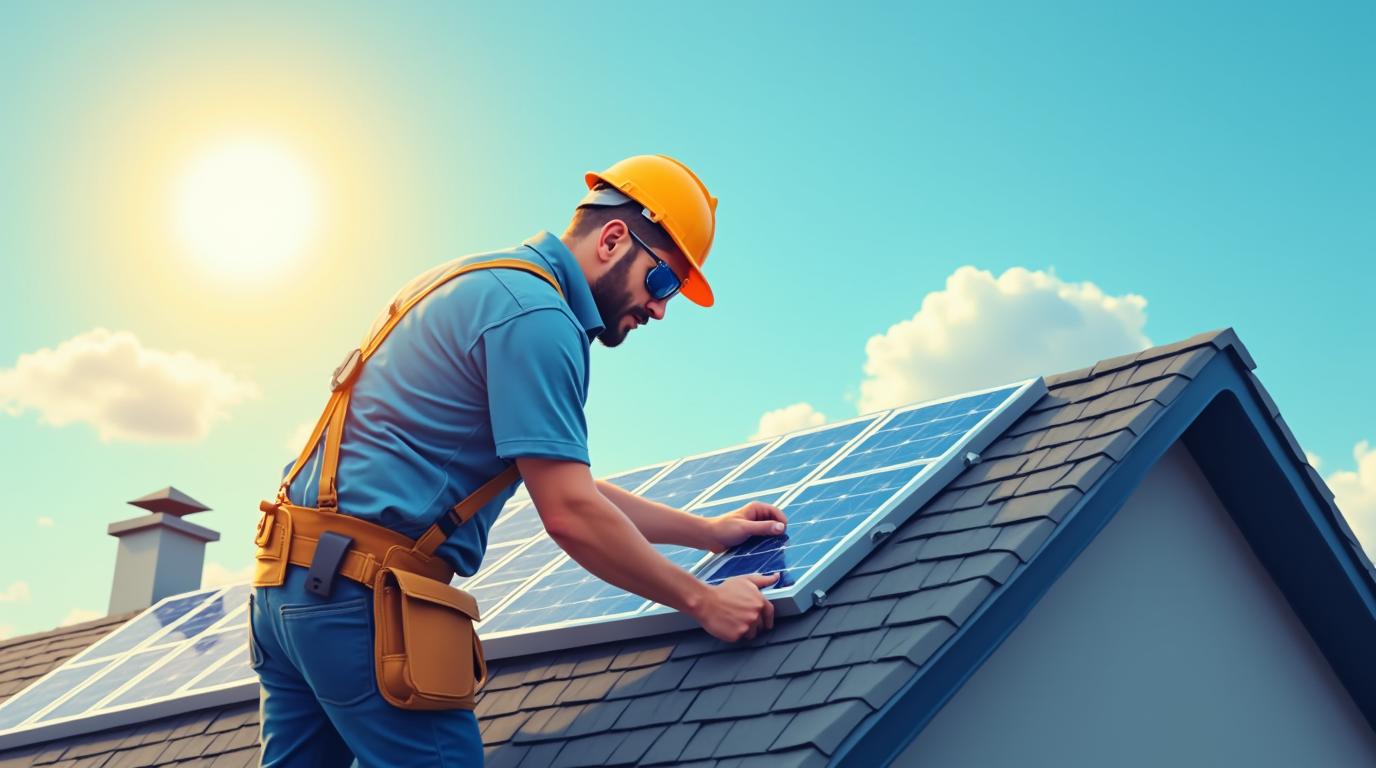
Photovoltaic Roof System Guide: 25 Years of Roofing Experience Shows What Really Works
I have installed roofing systems for over twenty-five years. My team has completed more than four thousand roofing projects. We hold certifications from GAF, CertainTeed, and Owens Corning. I have personally overseen hundreds of solar roof installations. This article shares that hard-earned knowledge. Homeowners often ask me about solar panels. They want to know if their roof can handle them. They worry about leaks and costs. This guide answers those exact questions. It exists to help you make a smart, informed decision. You will learn what really matters for a successful installation. I gathered this information from real customer projects. I studied manufacturer specifications and building codes. I will explain the methodology behind every recommendation. This is clear, direct advice from the field. It will save you time and prevent costly mistakes.
What is a Photovoltaic Roof System?
A photovoltaic roof system turns sunlight into electricity. It uses solar panels mounted on your roof. These panels are also called PV modules. They capture energy from the sun. An inverter then changes this energy into usable power for your home. The system connects to your main electrical panel. Any extra power can go back to the utility grid. This process is called net metering. It can significantly lower your electric bill. A good system works with your roof, not against it. The roof's primary job is still to protect your home. The solar system adds a new function. Both must work together perfectly.
Key Components Explained
Every solar roof system has several main parts. The solar panels are the most visible component. They are made of silicon cells inside a protective frame. The racking system holds the panels to your roof. This is a critical piece that roofers understand well. The inverter is the system's brain. It converts DC power from the panels to AC power for your home. Monitoring equipment lets you track energy production. Electrical wiring and conduit connect everything safely. A main service panel upgrade is sometimes needed. Each part must be chosen for quality and compatibility.
Is Your Roof Ready for Solar Panels?
Not every roof is a good candidate for solar. The condition of your existing roof is the first concern. Solar panels last twenty-five to thirty years. Your roof should last at least that long. Installing solar on an old roof is a common mistake. It leads to expensive removal costs later. The roof's structure must support the added weight. A qualified roofer can assess this. The direction and pitch of your roof matter greatly. South-facing roofs get the most sun in the Northern Hemisphere. East and west faces can also work well. Shading from trees or chimneys reduces efficiency. We use special tools to measure sun exposure.
Critical Roof Inspection Checklist
Before considering solar, inspect your roof thoroughly. Look for signs of aging shingles. Check for curling, cracking, or missing granules. Examine the flashing around vents and chimneys. Ensure the roof deck is solid with no soft spots. Verify proper attic ventilation. Poor ventilation causes heat buildup. This hurts both your roof and solar panel performance. Check the age of your current roofing material. Asphalt shingles typically last twenty to thirty years. If your roof is fifteen years old, consider replacement first. A full inspection by a certified roofer is the best step. They can identify hidden problems.
- Roof Age: Is the roof less than 10 years old? If older, consider replacement.
- Material Condition: No leaks, cracks, or significant wear.
- Structural Integrity: Rafters and trusses must handle extra load.
- Ventilation: Proper intake and exhaust to prevent heat damage.
- Warranty Status: Will adding solar void your existing roof warranty?
Photovoltaic System Costs and Financials
The cost of a solar roof system varies widely. The national average is between $15,000 and $25,000. The final price depends on your system size and roof complexity. A simple, south-facing roof costs less. A complex roof with multiple angles costs more. The federal solar tax credit is a major benefit. It allows you to deduct 30% of the system cost from your federal taxes. Many states offer additional rebates and incentives. Your local utility company may have programs too. Financing options include solar loans, leases, and power purchase agreements. Each has different pros and cons. Ownership through a loan is often best long-term.
Real Project Cost Breakdown
Let me share a real project example from last year. The homeowners had a 2,000 square foot house in Texas. Their roof was in good condition and eight years old. We installed a 8 kW solar system. The total gross cost was $24,000. This included high-efficiency panels and a premium inverter. After the 30% federal tax credit, their net cost was $16,800. Their average monthly electric bill was $180. The new system covers about 90% of their usage. They now save approximately $160 per month on electricity. This creates a payback period of roughly 8.75 years. The system has a 25-year warranty. They will enjoy many years of nearly free power after it pays for itself.
Choosing the Right Solar Panels and Materials
Solar panel quality differs greatly between brands. The main types are monocrystalline, polycrystalline, and thin-film. Monocrystalline panels are the most efficient. They perform better in limited space and low light. They are also more expensive. Polycrystalline panels are a good mid-range option. Thin-film panels are less common for residential roofs. Efficiency ratings show how well a panel converts sunlight. Most residential panels are between 19% and 22% efficient. The racking system is equally important. It must be corrosion-resistant and secure. We prefer aluminum racking from trusted brands like IronRidge or Unirac. The mounting hardware must be compatible with your roofing material.
Hands-On Material Comparison
From my field experience, panel choice depends on your goals. If roof space is limited, choose high-efficiency monocrystalline panels. Brands like SunPower and LG are top performers. If you have plenty of roof space, standard efficiency panels may suffice. Canadian Solar and Jinko Solar offer reliable value. Always check the product warranty and the company's financial health. A 25-year warranty is useless if the company fails. For inverters, you have two main types: string inverters and microinverters. String inverters are a single unit for all panels. Microinverters are attached to each panel individually. Microinverters, like those from Enphase Energy, often perform better on roofs with partial shading. They also simplify future expansion.
The Professional Installation Process
A proper installation requires a skilled team. It combines roofing expertise and electrical knowledge. The first step is always a detailed site assessment. We measure the roof and check the electrical panel. Next, we obtain the necessary permits from your local building department. This ensures the work meets all safety codes. On installation day, we begin by staging materials safely. We then install flashings and mounting brackets to the roof deck. These are sealed meticulously to prevent leaks. The racking rails are attached to the brackets. Solar panels are then secured to the rails. Electricians run conduit and connect the wiring. Finally, the system is inspected and activated. The utility company installs a new net meter.
Field Experience: Avoiding Common Installation Errors
I have seen many installation mistakes over the years. The most common error is poor flashing integration. If the mounting points are not sealed perfectly, water will get in. Using the wrong type of sealant for your roof material causes failure. Another mistake is over-tightening lag bolts into the roof rafters. This can crack the wood and compromise the connection. Not leaving enough space for thermal expansion is another issue. Panels and rails expand and contract with temperature changes. Installers must account for this movement. Always hire a contractor who is both a licensed roofer and a certified solar installer. Check their credentials with the North American Board of Certified Energy Practitioners (NABCEP).
Maintenance, Warranties, and Long-Term Care
Solar roof systems require minimal maintenance. The panels are designed to be cleaned by rain. In dusty areas, occasional cleaning may boost performance. Use a garden hose and a soft brush. Never use a pressure washer. The main task is monitoring system output. Your inverter or monitoring app will show daily production. A sudden drop can indicate a problem. Have a professional inspect the system every few years. They will check electrical connections and mounting hardware. Warranties are layered. The panels have a product warranty, often 25 years. They also have a performance warranty guaranteeing a certain output level. The inverter has a separate warranty, typically 10 to 25 years. The installer's workmanship warranty covers leaks and installation errors. This is usually 5 to 10 years.
Practical Homeowner Tips from Real Projects
Here is my best advice from thousands of projects. First, always replace an aging roof before installing solar. The cost of removing and reinstalling panels for a reroof is huge. Second, get three detailed quotes from qualified contractors. Compare the equipment, warranties, and total cost. Do not choose based on price alone. Third, understand your financing. A solar loan you own is better than a lease in most cases. Fourth, check your homeowner's insurance policy. Ensure it covers the solar system. Some policies require a specific rider. Fifth, keep all permits, manuals, and warranty documents in one place. You will need them for future reference or if you sell your home.
Frequently Asked Questions (FAQ)
Will solar panels cause my roof to leak?
Properly installed solar panels will not cause leaks. A certified installer uses specialized flashing and sealants. They integrate the mounts with your existing roofing system. The key is hiring an experienced roofer who understands waterproofing. A poor installation by an unqualified person can certainly lead to leaks.
What happens if my roof needs repair under the panels?
This is a valid concern. If a repair is needed, the solar panels must be temporarily removed. This adds cost and complexity. This is why a sound, newer roof is essential before installation. Always factor in the age and condition of your roof first.
Do solar panels work during a power outage?
Most standard grid-tied systems do NOT work during a power outage. They automatically shut off for safety. To have power during an outage, you need a system with battery storage. Batteries, like the Tesla Powerwall, store excess energy for use when the grid is down.
How does hail affect solar panels?
Quality solar panels are tested to withstand hail. They are rated for specific impact resistance. Most can handle one-inch hail stones traveling at 50 miles per hour. In hail-prone areas, ask for panels with a higher UL 61730 rating. Your homeowner's insurance should cover hail damage to the system.
Can I install solar on a flat roof?
Yes, solar can be installed on flat roofs. It requires a different racking system that tilts the panels at an angle. Ballasted systems use weights instead of penetrating the roof membrane. This method is common on commercial buildings but can be used residentially.
Will solar panels increase my property taxes?
In most states, adding a solar energy system is exempt from property tax increases. This is due to state renewable energy incentives. However, you should verify this with your local county assessor's office, as laws can vary.
How long until the system pays for itself?
The payback period is typically between 8 and 12 years. It depends on your local electricity costs, system size, and available incentives. After the payback period, the electricity generated is essentially free for the life of the system.
Real Project Case Studies with Outcomes
Case Study 1: The Johnson Family
The Johnsons had a 15-year-old asphalt shingle roof. They wanted solar to reduce high summer cooling bills. We advised a full roof replacement first. They chose GAF Timberline HDZ shingles. We then installed a 10 kW SunPower system. Total project cost: $38,000 ($28,000 for roof, $10,000 for solar after credits). Outcome: Their summer electric bill dropped from $450 to $50. The new roof and solar came with combined warranties. They are extremely happy and have referred several neighbors.
Case Study 2: The Martinez Condo
The Martinez family owned a townhouse with a tile roof. The roof was in excellent condition. Space was limited to a south-facing section. We installed a compact 6 kW system with high-efficiency LG panels and microinverters. Cost: $18,000 before incentives. Outcome: The system covers 100% of their electrical usage. They now have a $0 electric bill year-round. The HOA was initially hesitant but approved the plan after we provided detailed drawings.
Industry Statistics and Data
The solar industry is growing rapidly. According to the Solar Energy Industries Association (SEIA), the U.S. installed over 30 gigawatts of solar capacity in 2023. Residential solar made up a significant portion of that. The cost of solar panels has dropped more than 70% in the last decade. Over 3 million American homes now have solar panels. Texas is one of the top states for solar growth due to abundant sun and high electricity demand. These trends show solar is a mature, reliable technology.
Step-by-Step Guide to Getting Your System
- Assess Your Roof: Have a certified roofer evaluate its age, condition, and structure.
- Analyze Your Energy Use: Review 12 months of electric bills to determine your needs.
- Get Multiple Quotes: Obtain 3-5 detailed proposals from NABCEP-certified installers.
- Review Financing: Compare cash purchase, loan, and lease options carefully.
- Check Incentives: Confirm federal, state, and local rebates you qualify for.
- Sign Contract: Ensure all warranties, timelines, and equipment are clearly stated.
- Permit & Install: Your contractor handles permits, installation, and inspections.
- Activate & Monitor: System is turned on, and you begin monitoring production.
Conclusion and Your Next Steps
A photovoltaic roof system is a major home investment. It can provide clean energy and significant savings. The success of your project depends on two key factors. First, the condition and readiness of your existing roof. Second, the skill and experience of your installation team. Use this guide as a roadmap. Start with a professional roof inspection. Then gather quotes from qualified, certified contractors. Ask detailed questions about their process and materials. Do not rush the decision. A well-planned solar roof system will protect your home and power it for decades. Your next step is simple: contact a trusted local roofer for an assessment. They can tell you if your roof is ready for the sun.