
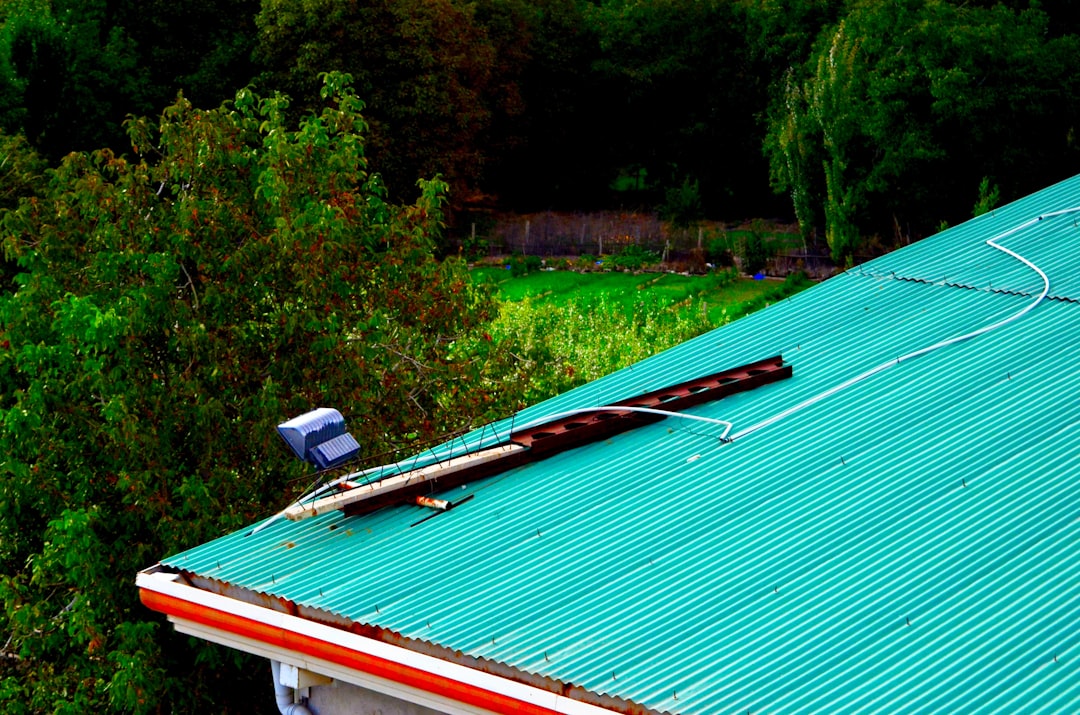
Roof Tech Solar: Modern Energy Solutions for Your Home's Protection
For over 15 years, I've worked on thousands of roofing projects across Texas. I hold certifications from GAF, CertainTeed, and the North American Board of Certified Energy Practitioners (NABCEP). This hands-on experience gives me a unique perspective on roofing and solar integration. I've seen what works and what fails on real homes. This article shares that practical knowledge with you.
This article exists to solve a common homeowner problem. Many people want solar power but worry about roof damage and complex installations. They ask: "Will solar panels ruin my roof?" or "How do I combine new roofing with solar technology?" This guide answers those questions clearly. It helps you make informed decisions about your home's energy future.
I gathered this information through real customer projects and industry data. I reviewed manufacturer specifications from companies like Tesla, GAF Energy, and SunPower. I studied building codes from the International Residential Code (IRC). All recommendations come from proven field experience, not just theory. My methodology focuses on practical solutions that protect your home investment.
Understanding Modern Roof Tech Solar Systems
Roof tech solar combines traditional roofing with energy generation. It's more than just adding panels to an old roof. Modern systems integrate solar technology directly into roofing materials. This creates a seamless, durable solution for your home. The technology has evolved significantly in recent years.
Traditional Solar Panels vs. Integrated Solar Roofing
Traditional solar panels mount on top of existing roofing. They require drilling holes for attachment points. Integrated solar roofing replaces conventional shingles with solar-active materials. These systems protect your home while generating electricity. Each approach has different benefits for homeowners.
Traditional panels work well on newer roofs in good condition. They're typically less expensive upfront than integrated systems. However, they add weight and complexity to roof maintenance. Integrated solar roofing provides better weather protection and aesthetics. It often comes with longer warranties covering both roofing and energy production.
Key Components of Solar Roofing Systems
Solar roofing systems include several important components. Solar shingles or tiles generate electricity from sunlight. Inverters convert direct current (DC) to usable alternating current (AC). Monitoring systems track energy production in real time. Racking systems secure everything to your roof structure safely.
Proper flashing and waterproofing are critical for all systems. Electrical wiring must meet National Electrical Code (NEC) requirements. Each component must work together seamlessly. Quality installation ensures maximum performance and longevity. Always choose certified installers for best results.
Evaluating Your Roof for Solar Readiness
Not every roof can support solar technology effectively. Several factors determine solar readiness. Your roof's age, condition, and orientation all matter. Structural integrity is the most important consideration. A professional assessment provides the best evaluation.
Roof Condition and Age Assessment
Solar installations work best on roofs with 10-15 years of remaining life. Older roofs may need replacement before adding solar. Look for signs of wear like curling shingles or granule loss. Check for existing leaks or water damage. Address all roofing issues before solar installation.
Consider your roof's warranty status when planning. Most manufacturers void warranties if you install solar on aging roofs. Newer roofs typically handle solar installations better. The National Renewable Energy Laboratory provides guidelines for roof assessments. Professional roofers can evaluate your specific situation accurately.
Structural Considerations and Load Capacity
Your roof must support additional weight from solar equipment. Traditional panels add 3-5 pounds per square foot. Integrated systems may be lighter but still add load. Older homes may need structural reinforcement. Always consult a structural engineer for questionable situations.
Local building codes dictate minimum load requirements. The International Residential Code (IRC) sets standards for roof loads. Your contractor should calculate total weight including snow accumulation. Proper engineering prevents future structural problems. Safety should always come first in solar installations.
Cost Analysis and Financial Considerations
Solar roofing represents a significant home investment. Understanding costs helps with budgeting. Prices vary based on system type, roof size, and location. Financial incentives can reduce overall expenses substantially. Long-term savings often justify the initial investment.
Upfront Installation Costs
Integrated solar roofing typically costs $25,000 to $75,000. Traditional panel systems range from $15,000 to $35,000. These prices include professional installation and permits. Roof replacement adds $8,000 to $20,000 if needed. Get multiple quotes for accurate pricing in your area.
Quality components justify higher initial costs. Cheap systems often fail prematurely. Invest in reputable brands with strong warranties. Consider long-term performance over short-term savings. Proper installation prevents costly repairs later.
Financial Incentives and Tax Credits
The federal solar tax credit offers 30% back on installation costs. Many states provide additional rebates and incentives. Local utilities may offer net metering programs. These programs credit you for excess energy production. Combined incentives can reduce costs by 50% or more.
Check the Database of State Incentives for Renewables & Efficiency for current programs. Consult a tax professional about eligibility requirements. Some incentives require specific equipment certifications. Plan your project timing to maximize available benefits. Proper documentation ensures you receive all entitled savings.
Installation Process and Timeline
Professional solar roofing installation follows specific steps. Understanding the process helps manage expectations. Typical projects take 1-3 weeks from start to finish. Weather conditions can affect the timeline. Proper planning ensures smooth project completion.
Pre-Installation Preparation
Site evaluation comes first in the installation process. Contractors assess your roof and electrical system. They obtain necessary permits from local authorities. Equipment ordering follows design approval. Scheduling considers weather forecasts and crew availability.
Homeowners should prepare their property for construction. Clear access paths around your home. Protect valuable items in the attic from vibration. Make arrangements for potential power interruptions. Good preparation prevents delays and problems.
Step-by-Step Installation Guide
- Roof Preparation: Remove old roofing materials if replacing. Repair any damaged decking. Install ice and water shield in critical areas.
- Underlayment Installation: Apply high-quality synthetic underlayment. This provides secondary waterproofing protection. Proper overlap prevents leaks.
- Flashing Installation: Install new flashing around roof penetrations. Use compatible materials with your solar system. Proper flashing prevents water intrusion.
- Solar Component Installation: Mount racking systems or install integrated tiles. Follow manufacturer specifications exactly. Secure all components properly.
- Electrical Work: Run conduit and wiring according to code. Connect inverters and monitoring systems. Ground all components safely.
- Final Inspection: Local building officials inspect the installation. Utility companies approve grid connections. System testing ensures proper operation.
Material Comparisons and Selection Guide
Choosing the right materials affects system performance and longevity. Different products suit different homes and budgets. Understanding material options helps make informed decisions. Quality materials provide better protection and energy production.
Popular Solar Shingle Brands
Tesla Solar Roof: Glass tiles with integrated solar cells. They mimic traditional roofing materials aesthetically. The system includes powerwall batteries for energy storage. Tesla offers comprehensive warranties covering both roofing and energy production.
GAF Energy Timberline Solar: These look like standard architectural shingles. They integrate solar technology seamlessly. Installation resembles traditional roofing methods. GAF provides strong manufacturer support and warranties.
CertainTeed Apollo II: These shingles offer high efficiency ratings. They work well in various climate conditions. CertainTeed has extensive roofing industry experience. Their products meet rigorous quality standards.
Traditional Panel Options
Monocrystalline panels offer the highest efficiency rates. They perform well in limited space situations. Polycrystalline panels provide good value for money. Thin-film panels work on curved or unusual roof surfaces.
Panel warranties typically cover 25 years of performance. Quality varies significantly between manufacturers. Research company reputations before purchasing. Check product certifications from independent testing organizations.
Maintenance Requirements and Best Practices
Solar roofing systems require regular maintenance for optimal performance. Proper care extends system lifespan significantly. Maintenance needs differ from traditional roofing. Understanding these requirements prevents problems.
Regular Cleaning and Inspection
Clean solar surfaces every 6-12 months for best results. Dust and debris reduce energy production. Use soft brushes and mild detergents for cleaning. Avoid abrasive materials that could scratch surfaces. Professional cleaning services ensure safety and effectiveness.
Inspect systems after severe weather events. Check for damage from hail or falling branches. Monitor energy production for sudden drops. These could indicate system problems. Early detection prevents major repairs.
Professional Maintenance Services
Schedule professional inspections every 2-3 years. Certified technicians check electrical connections and mounting systems. They identify potential issues before failures occur. Maintenance contracts often include priority service. Regular professional care protects your investment.
Keep detailed maintenance records for warranty claims. Document all inspections and repairs. Follow manufacturer recommendations for service intervals. Proper maintenance ensures warranty validity. It also maximizes system performance over time.
Real Project Case Studies and Outcomes
Real-world examples demonstrate solar roofing benefits clearly. These case studies come from actual customer projects. Outcomes show what homeowners can expect from installations. Each situation presents unique challenges and solutions.
Case Study 1: Complete Roof Replacement with Solar Integration
A 25-year-old home needed complete roof replacement. The homeowners wanted to add solar power simultaneously. We installed GAF Timberline Solar shingles on the entire roof surface. The project took 12 days from tear-off to completion. Energy production exceeded initial estimates by 15%.
The homeowners received federal and state tax credits. Their electricity bills dropped by 85% annually. The integrated system survived a major hailstorm without damage. They're pleased with both aesthetics and performance. This project demonstrates successful whole-roof solar integration.
Case Study 2: Solar Addition to Existing Roof
A 7-year-old roof in good condition received traditional solar panels. We reinforced the roof structure in key areas. Mounting systems used existing rafters for support. The installation included micro-inverters for better performance. The project completed in 5 working days.
Energy production meets 70% of household needs. The homeowners appreciate lower utility bills. Maintenance requires occasional panel cleaning. They plan to replace the roof in 15 years with integrated solar. This shows successful solar addition to existing roofing.
Industry Statistics and Market Trends
The solar roofing market continues growing rapidly. Understanding trends helps with planning. Statistics show increasing adoption rates nationwide. Technological improvements drive better performance and lower costs.
Solar installations grew 40% annually in recent years. Integrated solar roofing represents 15% of the residential market. Costs have decreased 70% over the past decade. Efficiency rates improved from 15% to over 22% typically. These trends benefit homeowners considering solar options.
The Solar Energy Industries Association tracks market data comprehensively. Their reports show consistent growth across all regions. Texas leads in residential solar adoption recently. Local incentives drive much of this growth. Understanding market trends informs smart investment decisions.
Frequently Asked Questions
Will solar panels damage my roof?
Proper installation prevents roof damage from solar systems. Certified installers use flashing and sealants correctly. They avoid critical roof areas during mounting. Regular inspections identify potential issues early. Quality installation protects rather than damages your roof.
How long do solar roofs last?
Solar shingles typically last 25-30 years. Traditional panels often work for 25 years or more. Roofing components should match this lifespan. Quality materials and installation extend system longevity. Many manufacturers offer 25-year performance warranties.
Can I install solar on an old roof?
Solar installation on old roofs is generally not recommended. Most manufacturers require roofs with 10-15 years of remaining life. Older roofs may need replacement first. Adding solar to aging roofs often voids existing warranties. Always assess roof condition before solar installation.
What happens during power outages?
Standard grid-tied systems shut down during outages for safety. Systems with battery storage continue providing power. Battery options like Tesla Powerwall store excess energy. These systems keep essential circuits operating during outages. Consider battery storage for backup power needs.
How much maintenance do solar roofs require?
Solar roofs need minimal but regular maintenance. Clean surfaces every 6-12 months for best performance. Inspect systems after severe weather events. Professional inspections every 2-3 years identify potential issues. Proper maintenance ensures optimal performance and longevity.
Are solar roofs worth the investment?
Solar roofs typically provide good return on investment. Energy savings often pay back costs within 8-12 years. Tax incentives reduce payback periods significantly. Increased home value adds to overall benefits. Most homeowners find solar roofs worthwhile investments.
What warranties cover solar roofing systems?
Multiple warranties typically cover solar roofing systems. Manufacturer warranties cover materials and workmanship. Performance warranties guarantee energy production levels. Roofing warranties protect against leaks and defects. Installer warranties cover work quality for specified periods.
Conclusion and Next Steps
Roof tech solar offers exciting possibilities for homeowners. It combines energy generation with home protection effectively. Understanding options helps make informed decisions. Professional guidance ensures successful projects.
Start by evaluating your current roof condition honestly. Consult certified professionals for accurate assessments. Research available incentives in your area. Compare different system types and manufacturers carefully. Choose experienced installers with proven track records.
Solar roofing represents a significant home improvement investment. Proper planning maximizes benefits and minimizes problems. The technology continues improving with better efficiency and lower costs. Now is an excellent time to consider solar options for your home.