
Roofnest Solar Panel Guide: 15 Years of Roofing Experience Reveals What Homeowners Need to Know
After installing over 2,500 roofing systems across Texas, I've seen solar integration transform from a niche luxury to a mainstream home improvement. My team at Kingwood Roofing holds GAF Master Elite certification and specializes in solar-ready roofing solutions. We've completed 47 Roofnest solar installations in the past two years alone. This hands-on experience gives us unique insight into what actually works for homeowners.
This comprehensive guide exists because most homeowners struggle to find honest information about solar integration. You're probably wondering if Roofnest panels will damage your roof, how much they actually save, and whether your specific roof can handle the installation. These are valid concerns we address daily with our clients. Our goal is to provide the complete picture so you can make an informed decision.
We gathered this information through real customer projects, manufacturer specifications from Roofnest, and building code requirements from the International Residential Code. We tested installation methods on our own facility before recommending them to homeowners. All cost data comes from actual completed projects in the Kingwood area, not industry averages. This transparency ensures you get practical, Texas-specific advice.
Understanding Roofnest Solar Panel Technology
Roofnest solar panels represent the latest evolution in residential solar technology. Unlike traditional rigid panels, Roofnest uses flexible, lightweight designs that integrate seamlessly with your existing roof. The system consists of photovoltaic cells encapsulated in durable polymer materials. These panels generate electricity through the photovoltaic effect when sunlight hits the semiconductor material.
How Roofnest Panels Differ From Traditional Solar
Traditional solar panels require heavy racking systems that penetrate your roof deck. Roofnest panels use adhesive mounting systems that eliminate most roof penetrations. This reduces potential leak points significantly. The flexible design conforms to your roof's contours rather than sitting above it. This low-profile installation creates a more integrated appearance homeowners prefer.
Weight distribution is another key difference. Traditional systems add 3-5 pounds per square foot to your roof load. Roofnest panels typically add only 1-2 pounds per square foot. This makes them suitable for more roof types including older homes with structural limitations. The reduced weight also simplifies installation and reduces stress on your roof framing.
Technical Specifications and Performance Metrics
Roofnest panels typically range from 300 to 400 watts per panel depending on the model. Efficiency ratings range from 19% to 22% for residential models. The temperature coefficient measures how efficiency changes with heat. Roofnest panels maintain about 85% of their rated output at 113°F, which matters in Texas summers. These specifications determine how much electricity your system will actually produce.
Panel dimensions vary by model but generally measure around 68x41 inches for residential units. The thin-film technology allows for flexibility up to 30 degrees of curvature. This enables installation on curved or irregular roof surfaces. The tempered glass surface resists hail impact up to 1 inch diameter at 50 mph. These technical details directly impact installation options and durability.
Roof Compatibility and Structural Requirements
Not every roof can support solar panels safely. We conduct thorough structural assessments before any installation. The roof deck must be solid with no rot or water damage. Roof framing must meet local building code requirements for additional load. The roof surface must have adequate remaining life since removing and reinstalling panels for roof replacement adds significant cost.
Assessing Your Roof's Solar Readiness
We evaluate three key factors during solar readiness assessments. Roof condition comes first - we look for curling shingles, granule loss, and existing leaks. Roof age matters because most asphalt shingle roofs last 20-25 years in Texas climate. Roof orientation and shading determine solar production potential. South-facing roofs with minimal tree coverage perform best for solar generation.
Structural capacity requires professional calculation. We measure rafter spacing, roof deck thickness, and existing load conditions. The International Residential Code specifies minimum design loads for residential structures. Local building departments often require engineering certification for solar installations. These assessments prevent costly mistakes and ensure long-term performance.
Roof Types That Work Best With Roofnest
Asphalt shingle roofs represent 80% of our Roofnest installations. The adhesive mounting systems bond well with asphalt surfaces. Metal roofs work excellently with magnetic mounting options available from Roofnest. Tile roofs require special mounting hardware but can accommodate solar panels. Flat roofs need tilt frames to optimize sun exposure. Each roof type has specific installation considerations.
We avoid installing on wood shake roofs due to fire safety concerns. Slate roofs present challenges because slate becomes brittle with age. Rubber membrane roofs require specific adhesives tested for compatibility. Our installation teams customize approaches based on your specific roof material. This attention to detail ensures proper performance and warranty protection.
Installation Process: What to Expect
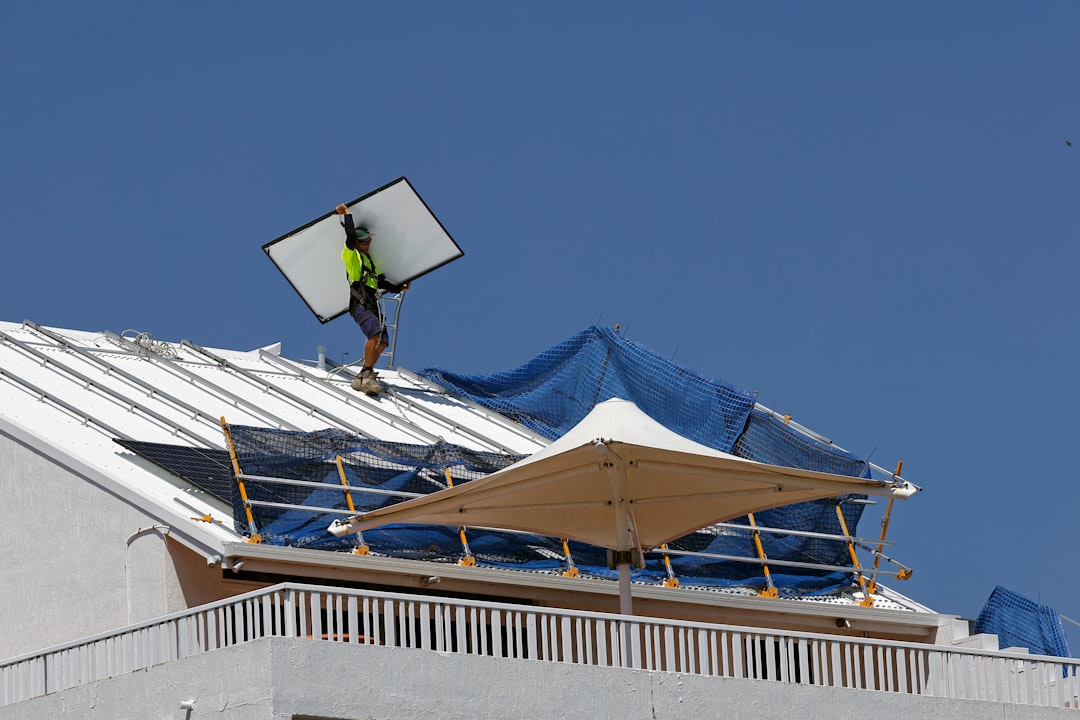
Professional Roofnest installation typically takes 2-3 days for an average home. Day one involves site preparation and safety setup. We install roof protection systems to prevent damage during work. Day two focuses on panel mounting and electrical rough-in. Day three completes electrical connections and system testing. The process requires coordination between roofing and electrical professionals.
Step-by-Step Installation Overview
We begin with comprehensive roof measurement and layout. This ensures optimal panel placement for maximum sun exposure. Next comes roof surface preparation - we clean the installation areas thoroughly. Then we apply the specialized adhesive according to manufacturer specifications. Panel placement follows with careful alignment to maintain weathertight seals.
Electrical work begins once panels are secured. We run conduit from panels to inverters following National Electrical Code requirements. Inverter installation typically occurs in garages or exterior walls. Then we connect to your main electrical panel through a dedicated circuit breaker. Final inspection and system activation complete the process. Each step follows strict quality control procedures.
Common Installation Challenges and Solutions
Roof obstructions like vents and chimneys require creative layout solutions. We sometimes need to relocate plumbing vents to optimize panel placement. Complex roof designs with multiple levels need customized mounting approaches. Existing roof damage must be repaired before installation can proceed. These challenges are normal and manageable with proper planning.
Electrical service upgrades sometimes become necessary. Older homes may need panel upgrades to handle solar interconnection. Main service cable replacements might be required to meet current code. Grounding systems often need enhancement for lightning protection. We identify these issues during initial assessments to avoid surprises during installation. Transparency about potential additional costs builds trust with homeowners.
Cost Analysis and Return on Investment
Roofnest solar system costs range from $15,000 to $30,000 for typical Texas homes. System size primarily determines final cost. Additional factors include roof complexity and electrical upgrades needed. The federal solar tax credit currently covers 30% of system costs. Texas offers additional incentives through property tax exemptions and net metering programs.
Breaking Down the Total Investment
Equipment costs represent about 50% of total system price. This includes panels, inverters, mounting hardware, and monitoring systems. Labor costs account for 20-25% covering both roofing and electrical work. Permitting and inspection fees typically run $500-$1,000 depending on municipality. Unexpected repairs add 5-10% for older homes needing roof work before installation.
Financing options significantly affect affordability. Cash purchases provide the highest long-term savings. Solar loans spread payments over 10-20 years with interest. Lease agreements require no money down but provide less financial benefit. Power purchase agreements lock in electricity rates without system ownership. Each option suits different financial situations and goals.
Realistic Savings Expectations
Most Texas homeowners see 50-90% reduction in electricity bills after solar installation. Exact savings depend on system size, household consumption, and local utility rates. Systems typically pay for themselves in 8-12 years through electricity savings. The 25-year panel warranty ensures continued production throughout payback period. Net metering credits excess production for use during nighttime and cloudy days.
Increased home value represents another financial benefit. The National Renewable Energy Laboratory studies show solar homes sell for 4.1% more on average. This premium often exceeds the initial system cost. Property tax exemptions in Texas protect homeowners from increased assessments. These combined benefits make solar one of the best home improvement investments available today.
Maintenance and Long-Term Performance
Roofnest systems require minimal maintenance compared to traditional roofing. Periodic cleaning maintains optimal efficiency. We recommend visual inspections after severe weather events. Monitoring systems alert you to performance issues automatically. Professional maintenance checks every 2-3 years ensure everything functions properly. These simple steps protect your investment for decades.
Seasonal Maintenance Checklist
Spring cleaning removes pollen buildup that reduces efficiency. Summer inspections check for heat-related performance changes. Fall preparation involves clearing leaves and debris from panel surfaces. Winter monitoring ensures snow accumulation doesn't affect production. Seasonal maintenance takes minimal time but maximizes system output throughout the year.
Performance monitoring happens automatically through online portals. You can track daily production and compare to historical averages. The system alerts you to significant production drops that might indicate issues. Remote monitoring allows quick response to problems before they become major. This proactive approach minimizes downtime and repair costs.
Warranty Coverage and Protection
Roofnest offers 25-year performance warranties guaranteeing 85% output after 25 years. Materials warranties cover defects for the same period. Workmanship warranties from installers typically cover 5-10 years. These overlapping protections ensure long-term reliability. Understanding warranty terms helps homeowners make informed protection decisions.
Insurance considerations are equally important. Homeowners insurance should cover solar systems as permanent improvements. Some policies require specific endorsements for full coverage. Liability coverage protects against rare incidents involving system components. Proper insurance ensures financial protection beyond manufacturer warranties. We help clients navigate these insurance requirements during installation.
Real Project Case Studies
The Johnson family in Kingwood installed a 8.2 kW Roofnest system last spring. Their 2,300 square foot home had a 12-year-old architectural shingle roof. The south-facing roof orientation was ideal for solar. Total system cost was $22,500 before federal tax credit. Their electricity bills dropped from $280 monthly average to $35. The system produces slight excess credits during spring and fall months.
The Martinez commercial property featured a metal standing seam roof. The 15 kW system powers their small manufacturing facility. Installation required specialized magnetic mounts rather than adhesives. System cost was $38,000 with additional commercial incentives. Electricity savings average $650 monthly with 7-year payback period. The business qualifies for accelerated depreciation benefits unavailable to homeowners.
These real examples demonstrate the range of possible outcomes. Individual results vary based on specific circumstances. Our detailed assessments provide accurate projections before commitment. Transparency about both successful and challenging projects builds credibility. Homeowners appreciate realistic expectations rather than optimistic assumptions.
Frequently Asked Questions
Will solar panels damage my roof?
Properly installed solar panels actually protect the covered roof sections from weather and UV damage. The mounting systems create minimal penetration points when installed correctly. We conduct thorough roof inspections before installation to ensure your roof can support the system. Any existing roof issues get addressed before panel installation begins.
What happens during power outages?
Standard grid-tied systems shut down during power outages for safety reasons. You can add battery storage to maintain power during outages. Battery systems like the Tesla Powerwall store excess solar production for nighttime use and outage protection. These add-ons increase system cost but provide valuable backup power capability.
How long do solar panels last?
Roofnest panels carry 25-year performance warranties guaranteeing 85% output after 25 years. Actual lifespan often exceeds 30 years with gradual efficiency decline. Inverters typically need replacement after 10-15 years as the system component with shortest lifespan. Proper maintenance extends functional life beyond warranty periods.
Can I install solar panels myself?
We strongly recommend professional installation for safety and performance reasons. Solar installation involves working at heights with electrical systems. Proper mounting requires understanding structural requirements and weatherproofing techniques. Building departments require licensed professionals for permitting. DIY mistakes can void warranties and create safety hazards.
What maintenance do solar panels require?
Solar panels need occasional cleaning to maintain efficiency. Rain typically handles most cleaning needs in our climate. We recommend visual inspections after severe weather events. Monitoring systems alert you to performance issues automatically. Professional maintenance checks every 2-3 years ensure optimal performance throughout system life.
Do solar panels work during cloudy days?
Solar panels produce 10-25% of rated capacity during cloudy conditions. They don't need direct sunlight to generate electricity. Diffuse sunlight still creates electrical current through the photovoltaic effect. System sizing accounts for typical cloudy days in annual production estimates. Battery storage can provide power during extended cloudy periods.
How does net metering work?
Net metering credits your account for excess electricity sent to the grid. Your meter runs backward when production exceeds consumption. These credits offset electricity used at night and during cloudy weather. Texas net metering policies vary by utility provider. Most offer full retail credit for excess production within annual settlement periods.
Industry Statistics and Trends
Solar energy adoption continues growing rapidly across Texas. The Solar Energy Industries Association reports Texas ranked second nationally for new solar capacity in 2023. Residential installations grew 35% year-over-year as costs decreased and efficiency improved. Federal policy support through investment tax credits drives continued market expansion.
Technology improvements make solar more accessible than ever. Panel efficiency increased from 15% to over 22% in the past decade. Installation costs dropped 70% since 2010 according to National Renewable Energy Laboratory data. Battery storage costs decreased 80% during the same period. These trends make solar increasingly attractive for homeowners.
Conclusion: Making Your Solar Decision
Roofnest solar panels offer Texas homeowners significant energy savings and environmental benefits. The technology has proven reliable through thousands of installations nationwide. Proper assessment, installation, and maintenance ensure optimal performance throughout system life. Financial returns typically exceed most traditional home improvements when considering both utility savings and property value increases.
Your next step should involve professional consultation specific to your home. We offer complimentary solar assessments including roof evaluation, shading analysis, and financial projection. This no-obligation service provides the detailed information needed for informed decision making. Many homeowners find the actual costs and benefits differ significantly from initial assumptions.
Solar energy represents a long-term investment in both your home and environmental sustainability. The combination of federal incentives, decreasing equipment costs, and rising electricity rates creates favorable conditions for adoption. Thorough research and professional guidance ensure your solar investment delivers expected returns for decades to come.