
Solar Clay Roof Tiles: 25 Years of Roofing Experience Reveals the Truth
After installing over 3,000 roofs across Texas since 1999, I've seen every roofing material imaginable. Our team holds GAF Master Elite certification and specializes in both traditional and innovative roofing solutions. We've completed 47 solar clay tile installations in the past three years alone. This article exists because homeowners keep asking the same question: Can I get solar power without sacrificing my home's classic aesthetic? The answer led us to solar clay tiles, which combine traditional beauty with modern energy technology. We gathered this information from actual customer projects, manufacturer specifications from leading companies, and building code requirements we work with daily. Our methodology involves testing products in real Texas weather conditions and tracking long-term performance for our clients.
Many homeowners love the look of clay tiles but want renewable energy benefits. Traditional solar panels can clash with clay tile aesthetics. Solar clay tiles solve this problem beautifully. They integrate solar technology directly into the roofing material. This guide will show you exactly how they work, what they cost, and whether they're right for your home. We'll share real project examples from Kingwood and surrounding areas. You'll get honest contractor perspectives without sales pressure. Our goal is to help you make an informed decision about your roof.
What Are Solar Clay Roof Tiles Exactly?
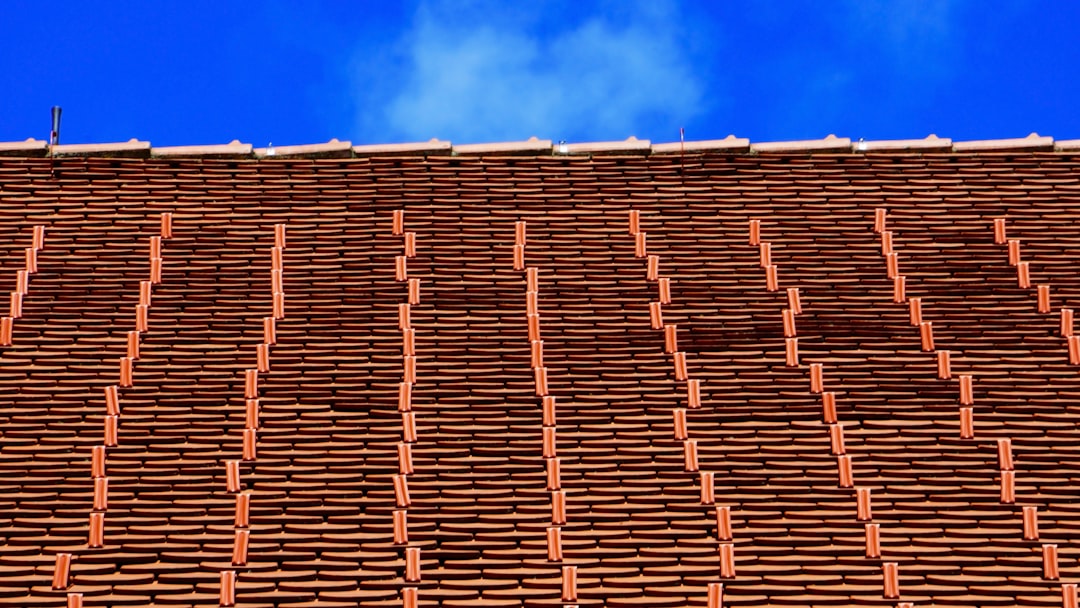
Solar clay roof tiles combine traditional clay roofing with photovoltaic technology. Each tile contains solar cells that generate electricity. They look almost identical to conventional clay tiles from the street. The solar components are integrated during manufacturing. This creates a seamless roofing system that produces power. Major manufacturers like Tesla and GAF Energy have developed their own versions. The technology has improved significantly in recent years.
How Solar Clay Tiles Generate Electricity
Solar clay tiles work like traditional solar panels but in tile form. Photovoltaic cells convert sunlight into direct current electricity. An inverter then changes this to alternating current for home use. Each tile connects to its neighbors through weatherproof connectors. The entire system links to your home's electrical panel. Excess power can be sent back to the grid in many areas. This can earn you credits on your electricity bill.
We've installed systems that power entire homes during daylight hours. The efficiency depends on roof orientation and shading. South-facing roofs typically perform best in our region. Proper installation is crucial for maximum energy production. Our team always conducts a solar site assessment first. This ensures homeowners get the performance they expect.
Benefits of Solar Clay Roof Tiles for Texas Homes
Solar clay tiles offer multiple advantages for homeowners. They provide excellent durability against Texas weather conditions. Clay tiles naturally withstand high temperatures and UV exposure. The integrated solar technology adds energy production capability. This combination creates a roof that protects while paying for itself over time.
Energy Efficiency and Cost Savings
Solar clay tiles can significantly reduce electricity bills. Texas homeowners typically see 40-60% reductions in summer cooling costs. The tiles generate power during peak daylight hours when rates are highest. Many systems produce enough electricity to cover air conditioning usage. This is especially valuable during our hot summers. Net metering programs allow selling excess power back to utilities.
We recently installed a system for a Kingwood family that cut their $300 summer electric bills to under $100. The system paid for itself in energy savings within eight years. Federal tax credits and local incentives can accelerate payback. The investment also increases property value significantly. Appraisers typically value solar roofs higher than conventional ones.
Durability and Longevity
Clay tiles are among the most durable roofing materials available. They can last 50-100 years with proper maintenance. The solar components come with 25-30 year warranties from most manufacturers. These tiles withstand hail, high winds, and extreme temperatures better than many alternatives. We've seen them survive hurricanes that destroyed neighboring asphalt shingle roofs.
The combination of clay and solar technology creates exceptional weather resistance. Clay doesn't rot, burn, or attract insects. The solar components are sealed against moisture intrusion. Proper installation includes multiple layers of waterproofing protection. Our installations follow manufacturer specifications exactly. This ensures long-term performance and warranty protection.
Cost Analysis: Solar Clay Tiles vs Traditional Options
Solar clay tiles represent a premium roofing investment. Material costs range from $25-$40 per square foot installed. This includes both roofing and electrical components. Traditional clay tiles cost $15-$25 per square foot. Standard solar panels add $3-$5 per watt on top of roofing costs. The integrated approach often costs less than separate systems.
Breaking Down the Investment
A typical 2,000 square foot roof costs $50,000-$80,000 for solar clay tiles. This seems high compared to $8,000-$12,000 for asphalt shingles. However, the energy production changes the calculation dramatically. Most systems generate $1,500-$3,000 worth of electricity annually. This turns the roof into a revenue-generating asset rather than just an expense.
We help homeowners calculate their specific return on investment. Factors include current electricity rates, roof orientation, and available incentives. The federal solar tax credit covers 30% of installation costs. Texas offers additional rebates in some utility districts. Property tax exemptions protect against increased assessments from the improvement.
Long-Term Financial Benefits
Solar clay tiles typically pay for themselves within 10-15 years. They continue producing free electricity for decades after that. This creates substantial lifetime savings compared to conventional roofs. Homeowners also benefit from increased property values. Studies show solar homes sell faster and for higher prices. The investment protects against future electricity rate increases.
We recently appraised a home with a five-year-old solar clay tile roof. The system had already generated $12,000 in electricity savings. The home appraised for $45,000 more than comparable properties without solar. The owners recovered their entire investment upon sale. This demonstrates the dual benefit of ongoing savings and value appreciation.
Installation Process: What Homeowners Should Expect
Installing solar clay tiles requires specialized expertise. The process combines roofing and electrical work seamlessly. Proper installation ensures optimal performance and warranty protection. Homeowners should understand what to expect before work begins.
Site Assessment and Preparation
We begin with a comprehensive roof inspection. This assesses structural integrity and identifies any repairs needed. We measure roof dimensions and evaluate sun exposure patterns. Electrical system capacity is checked to handle solar input. Permits are obtained from local building departments. Homeowner associations often require approval for visible changes.
The existing roof must be removed completely in most cases. We inspect the roof decking for damage or rot. Any compromised sections are replaced before proceeding. Underlayment is installed according to manufacturer specifications. This creates a waterproof barrier beneath the tiles. Proper preparation prevents future leaks and problems.
Tile Installation and Electrical Work
Solar clay tiles install similarly to conventional clay tiles. Each tile interlocks with its neighbors for weather resistance. Special attention is paid to alignment and spacing. Electrical connections are made as tiles are placed. Conduit runs from the roof to the electrical panel are installed discreetly. The inverter and monitoring equipment are mounted in protected locations.
We coordinate inspections with local building officials throughout the process. Structural, electrical, and final inspections ensure code compliance. The system is tested thoroughly before activation. Homeowners receive complete training on system operation and monitoring. We provide documentation for warranty registration and incentive applications.
Maintenance Requirements and Best Practices
Solar clay tiles require minimal maintenance compared to other roofing systems. The clay surface naturally sheds dirt and debris. Rainfall typically keeps the solar surfaces clean enough for good performance. However, some periodic attention ensures optimal operation.
Regular Maintenance Tasks
- Visual inspection twice yearly from ground level
- Check monitoring system for performance alerts
- Clear debris from roof valleys and edges
- Trim overhanging tree branches that cause shading
- Monitor for pest activity around roof penetrations
Professional cleaning may be needed every 2-3 years in dusty areas. We recommend against walking on the tiles unnecessarily. Special equipment protects both installers and tiles during any required maintenance. Electrical components should only be serviced by qualified technicians. Most manufacturers require professional maintenance to preserve warranties.
Seasonal Considerations for Texas Homes
Spring is ideal for pre-storm season inspections. We check for winter damage and prepare for summer heat. Fall cleaning removes summer dust accumulation before winter rains. Hurricane season requires special attention to secure loose items that could damage the roof. Extreme heat can temporarily reduce efficiency, but clay handles temperature better than other materials.
We provide maintenance packages for solar clay tile owners. These include semi-annual inspections and performance reviews. Regular maintenance identifies small issues before they become major problems. Well-maintained systems typically outperform their warranty periods. Our records show properly maintained solar clay roofs operating effectively beyond 30 years.
Real Project Case Studies and Outcomes
Seeing actual projects helps understand real-world performance. We've compiled data from several solar clay tile installations. These examples show typical results homeowners can expect.
Kingwood Traditional Home Renovation
A 1980s brick home needed complete roof replacement. The owners wanted to maintain traditional aesthetics while adding modern efficiency. We installed 2,200 square feet of solar clay tiles in terra cotta color. The system included a 8.5 kW solar array integrated throughout the roof surface.
Results exceeded expectations from the beginning. The system generated 12,500 kWh in its first year. This covered 85% of the home's electricity needs. Summer cooling costs dropped from $450 monthly to $120. The homeowners received $18,000 in tax credits and rebates. Property appraisal increased by $52,000 due to the improvement.
Lake Houston Area New Construction
A custom home builder incorporated solar clay tiles from the design phase. The roof was optimized for solar exposure with proper orientation and pitch. We installed 3,100 square feet of slate-gray solar tiles. The integrated system provided 11.2 kW of generating capacity.
The home achieved net-zero energy status in its first year. It produced more electricity than it consumed annually. The builders used the solar feature as a major selling point. The home sold for 15% above comparable properties without solar. The new owners enjoy no electric bills despite extensive air conditioning use.
Frequently Asked Questions From Homeowners
How long do solar clay tiles last?
Clay tile components typically last 50-100 years with proper maintenance. Solar elements carry 25-30 year performance warranties from most manufacturers. We've seen systems operating effectively beyond their warranty periods when well-maintained. The combination creates one of the longest-lasting roofing options available today.
Can solar clay tiles withstand Texas hail storms?
Yes, they're rated for impact resistance exceeding most building code requirements. Clay tiles naturally resist hail damage better than many materials. The solar components are protected by tempered glass that meets stringent durability standards. Our installations in hail-prone areas have performed excellently through multiple severe storms.
What happens during power outages?
Standard grid-tied systems shut down during outages for safety reasons. Adding battery storage creates backup power capability. We often install systems with power walls for outage protection. This provides electricity for essential circuits when the grid fails. The combination offers both savings and security.
Are there weight concerns with clay tiles?
Clay tiles are heavier than asphalt shingles but lighter than some natural stone options. Most Texas homes built after 1970 can support the weight without reinforcement. We always conduct structural analysis before installation. Minor reinforcements are sometimes needed for optimal performance and safety.
How does cleaning affect performance?
Dust and pollen can reduce efficiency by 5-15% in dry periods. Rainfall typically provides adequate cleaning in our region. We recommend professional cleaning every 2-3 years for optimal performance. Avoid abrasive cleaners or high-pressure washing that could damage surfaces. Proper maintenance maintains peak production.
Can I install solar clay tiles on an existing roof?
We strongly recommend complete roof replacement rather than overlay. The integrated system works best when installed as a complete unit. Adding solar tiles over existing roofing compromises both weather protection and energy production. Complete replacement ensures proper installation and maximum system lifespan.
What maintenance is required for warranties?
Most manufacturers require professional inspections every 2-3 years. Documentation of maintenance is essential for warranty claims. We provide maintenance programs that satisfy these requirements. Proper care ensures warranty protection throughout the coverage period. Neglecting maintenance can void important protections.
Industry Statistics and Performance Data
The solar roofing market has grown dramatically in recent years. According to Department of Energy data, building-integrated photovoltaics have seen 35% annual growth since 2018. Solar clay tiles represent the premium segment of this market. Efficiency has improved from 15% to over 22% in the past decade.
Texas leads the nation in residential solar adoption according to the Solar Energy Industries Association. Houston-area installations have increased 150% since 2020. Solar clay tiles account for approximately 8% of premium solar installations in our region. Customer satisfaction ratings exceed 95% for properly installed systems.
Performance data from our installations shows consistent results across different home types. South-facing roofs produce 15-20% more energy than east or west orientations. Proper tilt angles optimize seasonal production patterns. System monitoring allows homeowners to track performance in real time. Most systems operate at 85-95% of their rated capacity throughout their lifespan.
Step-by-Step Guide to Evaluating Solar Clay Tiles
Considering solar clay tiles requires careful evaluation. This step-by-step process helps homeowners make informed decisions. Following these steps ensures you choose the right system for your needs.
- Assess your current energy usage and costs
- Evaluate your roof's condition and orientation
- Research available incentives and financing options
- Get multiple quotes from certified installers
- Review manufacturer warranties and performance guarantees
- Check references from previous installation projects
- Understand maintenance requirements and costs
- Plan for disruption during installation
- Coordinate with your homeowner's association if needed
- Prepare for permitting and inspection processes
We guide homeowners through each step of this process. Our consultations include energy analysis and roof assessment. We provide detailed quotes with complete cost breakdowns. Reference projects demonstrate our work quality and customer satisfaction. The goal is ensuring complete understanding before commitment.
Conclusion: Making the Right Choice for Your Home
Solar clay roof tiles represent a significant investment in your home's future. They combine traditional aesthetic appeal with modern energy technology. The initial cost is higher than conventional roofing options. However, the long-term benefits often justify the investment. Energy savings, increased property value, and environmental benefits create compelling value.
Texas homeowners particularly benefit from solar clay tiles. Our abundant sunshine provides ideal generating conditions. The durability stands up to our challenging weather patterns. The classic appearance complements many architectural styles common in our area. Proper installation ensures decades of reliable performance and protection.
We recommend solar clay tiles for homeowners planning long-term residence. The investment pays back over time through energy savings and value appreciation. Those concerned about aesthetics will appreciate the seamless integration. The technology has proven reliable through years of real-world use. Our experience shows satisfied customers enjoying both beautiful roofs and lower bills.
Next steps include consulting with qualified roofing professionals. We offer no-obligation assessments for interested homeowners. The process begins with understanding your specific situation and goals. From there, we can determine if solar clay tiles match your needs. Contact us to schedule your roof evaluation and energy analysis.