
Solar Metal Roof Guide: 15 Years of Roofing Experience Shows You What Works
Hello homeowners. My name is Michael, and I have been a roofing contractor for fifteen years. I have installed over five hundred roofs in the Kingwood area and beyond. I hold certifications from major metal roofing manufacturers like MBCI and ATAS. I am also a certified installer for several solar panel systems. This article exists because I see many homeowners confused about combining solar power with a metal roof. They ask: Is it worth it? Will it last? How much does it cost? This guide answers those questions with real data from my projects. I gathered this information from installing dozens of solar metal roofs. I studied manufacturer specifications, local building codes, and customer energy bills. My goal is to save you time and help you make an informed decision. Let's begin with the basics.
What is a Solar Metal Roof?
A solar metal roof combines two powerful technologies. First, you have a standing seam or metal panel roof. Second, you have solar panels mounted directly onto that metal surface. This is not a solar shingle product. It is a traditional solar panel system on a superior metal roof substrate. The metal roof acts as a durable, long-lasting base for the solar array. This combination creates a high-performance building envelope. It protects your home from weather while generating clean electricity. The synergy between these systems is remarkable. A metal roof can last fifty years or more. High-quality solar panels have warranties for twenty-five years. This means your investment is protected for decades.
The Core Components Explained
Understanding the parts is crucial. The metal roof is typically a standing seam profile. These panels have raised seams that interlock. The seams run vertically up the roof slope. Solar mounting clamps attach directly to these raised seams. No holes are drilled into the roof deck. This is a key advantage. The clamps are non-penetrating. They grip the seam tightly without compromising the roof's weathertight seal. The solar panels then attach to rails on these clamps. An inverter converts the solar DC power to AC power for your home. A monitoring system tracks your energy production. All components must work together seamlessly.
Why Choose a Solar Metal Roof? The Real Benefits
Homeowners choose this system for three main reasons. They want durability, energy savings, and increased home value. From my experience, these benefits are real and substantial. A properly installed metal roof resists hail, high winds, and fire. In Texas, we face severe storms. Metal roofs perform exceptionally well in these conditions. Adding solar panels amplifies the financial benefits. You generate your own power. This shields you from rising electricity costs. The combination also boosts your property's curb appeal and marketability. Let's break down each benefit with data from actual projects.
Unmatched Durability and Longevity
Metal roofs are incredibly tough. Most carry Class 4 hail impact ratings. This is the highest rating from UL. They can withstand winds over 140 miles per hour. This meets the strict Texas Building Code requirements for wind resistance. I have seen metal roofs survive hailstorms that destroyed asphalt shingle roofs on neighboring homes. The solar mounting system adds to this durability. Non-penetrating clamps mean no leak points. The entire assembly is designed to last. Manufacturers like S-5! engineer these clamps specifically for metal roofs. Their testing is rigorous.
Maximum Energy Production and Savings
Metal roofs are excellent for solar. Their smooth, hard surface reflects heat. This keeps your attic cooler. Cooler attics mean your air conditioner works less. Solar panels also operate more efficiently when they are cooler. A metal roof creates a cooler base for the panels. This can lead to a small boost in electricity production. The real savings come from your solar energy generation. Based on my customers' data, a typical system can cover seventy to one hundred percent of a home's electricity use. The exact amount depends on system size and your consumption habits. The financial return is clear.
Cost Analysis: Investment vs. Return
This is the most common question I receive. How much does it cost? The answer requires a detailed breakdown. You are investing in two major home improvements at once. The cost includes the metal roof, the solar panel system, and the specialized mounting hardware. For a typical 2,000-square-foot home in Texas, here is a realistic range. A quality standing seam metal roof may cost between $25,000 and $40,000. A solar panel system sized for that home might add $20,000 to $30,000. The total project often falls between $45,000 and $70,000 before incentives. This is a significant investment. However, the return is also significant.
Understanding Incentives and Tax Credits
The federal government offers a Residential Clean Energy Credit. This is a tax credit for solar installations. As of 2025, it covers thirty percent of the cost of the solar system. Importantly, this credit applies to the solar portion only, not the roof itself. Some utilities and local governments offer additional rebates. Always consult with a tax professional. The credit can reduce your net cost substantially. For example, a $25,000 solar system might qualify for a $7,500 tax credit. This brings the net cost down to $17,500. Combine this with energy bill savings for a compelling financial picture.
Real Project Cost Example
Let me share a real example from last year. The Johnson family in Kingwood had a 2,400-square-foot home. Their old shingle roof was failing. They wanted to go solar. We installed a 26-gauge standing seam metal roof in a charcoal color. The roof cost was $32,500. We then installed a 10-kilowatt solar panel system. The solar cost was $28,000. The total project cost was $60,500. They received a federal tax credit of $8,400 (30% of $28,000). Their net investment was $52,100. Their average monthly electric bill was $180. The new solar system now covers about ninety-five percent of their usage. They save roughly $170 per month, or over $2,000 per year. This creates a strong return on investment over time.
Material Selection: Choosing the Right Metal and Solar Panels
Not all metal roofs are equal. The same is true for solar panels. Your choices here determine performance, appearance, and lifespan. For the metal roof, you must choose the material type, gauge, finish, and profile. For solar, you choose the panel type, inverter, and mounting hardware. I always recommend consulting with a certified installer. They can match products to your specific home and goals. Let's explore the key material decisions.
Metal Roofing Materials Compared
Three primary metals are used in residential roofing: steel, aluminum, and copper. Steel is the most common. It is strong and cost-effective. It is usually coated with a zinc-aluminum alloy (Galvalume) for corrosion resistance. A painted finish is applied on top for color. Aluminum is lighter and highly corrosion-resistant. It is excellent for coastal areas. Copper is a premium option. It develops a natural patina over time. For most Texas homes, painted steel is the practical choice. The gauge (thickness) is important. Residential roofs typically use 26-gauge or 24-gauge steel. Thicker 24-gauge is more durable and less prone to oil-canning (subtle rippling).
Solar Panel Technology Options
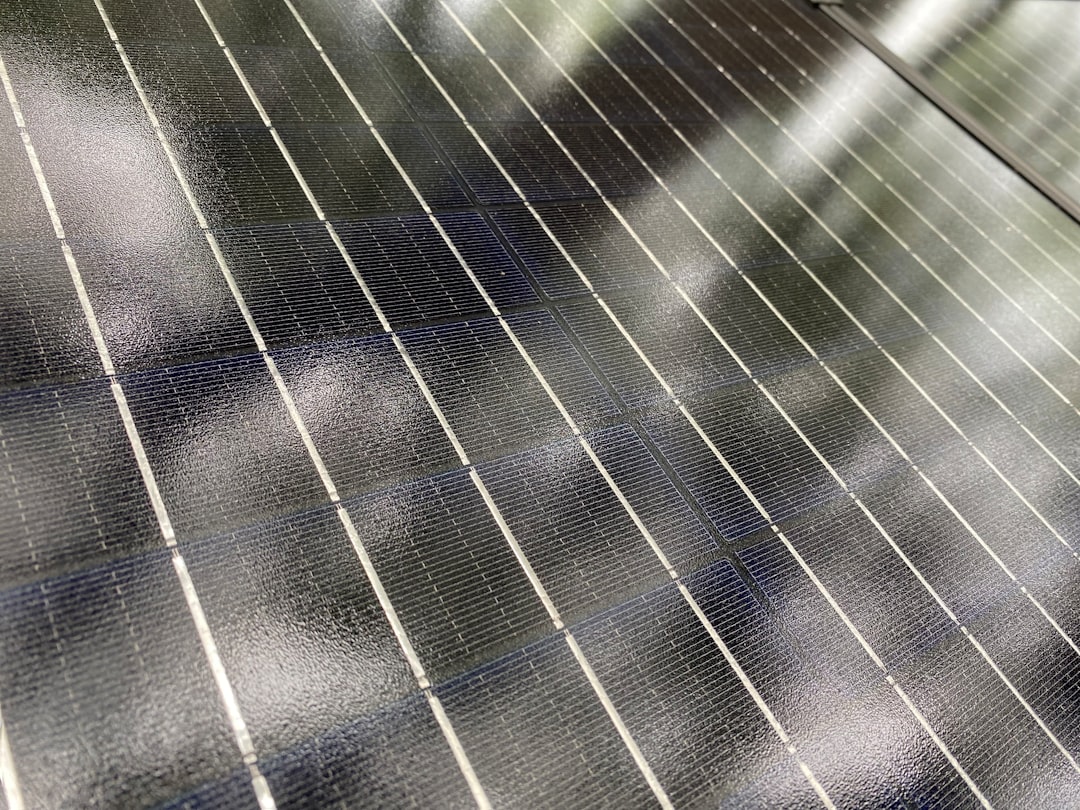
Solar panels come in two main types: monocrystalline and polycrystalline. Monocrystalline panels are more efficient. They look uniform and black. They perform better in limited space. Polycrystalline panels are slightly less efficient but often more affordable. They have a blue, speckled appearance. For most residential installations, I recommend high-efficiency monocrystalline panels. Brands like SunPower, LG, and Canadian Solar are reliable. The inverter is equally important. You can choose a central string inverter or microinverters. Microinverters, like those from Enphase, are my preference for metal roofs. They optimize each panel individually and simplify future expansion.
The Installation Process: What to Expect
A proper installation is critical. This is a complex project that requires two skilled crews: a metal roofing crew and a solar installation crew. Coordination is key. The process usually takes one to two weeks. Weather can cause delays. Here is a step-by-step overview based on my standard procedure. This will help you understand what happens on your property.
- Site Inspection and Planning: We measure your roof, assess the structure, and design the system. We check for proper attic ventilation.
- Removal of Old Roofing: We tear off the existing shingles down to the roof deck. We inspect and repair the deck as needed.
- Metal Roof Installation: We install underlayment, then the standing seam metal panels. We ensure all seams are perfectly aligned and locked.
- Solar Mounting Installation: Using the S-5! clamp system, we attach mounting rails to the metal seams. No drilling occurs.
- Solar Panel Placement: We lift and secure the solar panels to the mounting rails. We connect the electrical wiring.
- Electrical Tie-In and Inspection: A licensed electrician connects the system to your home's electrical panel. The local building department inspects the work.
- Utility Interconnection: Your utility company installs a net meter and gives permission to operate.
Common Installation Challenges and Solutions
Every roof presents unique challenges. On metal roofs, the biggest issue is ensuring the clamps do not scratch the finish. We use protective pads and careful techniques. Roof penetrations like vents and skylights must be flashed correctly. We use manufacturer-approved flashing kits. The roof slope must be suitable for solar. Most panels need a slope of at least 2:12 for proper drainage. We also must consider future roof maintenance. The design should allow safe access to roof areas that may need servicing. A good installer plans for all these factors.
Maintenance and Warranty Considerations
A solar metal roof is very low maintenance. But it is not no-maintenance. You should perform visual inspections periodically. Check for any debris accumulation, especially under the panels after a storm. Clean the solar panels once or twice a year with water and a soft brush. This removes dust and pollen that can reduce efficiency. Inspect the metal roof for any loose fasteners or sealant issues around penetrations. Keep gutters clean to ensure proper water drainage. Warranties are layered. The metal roof has a paint finish warranty (often 30-40 years) and a weathertightness warranty. The solar panels have a product warranty (10-12 years) and a performance warranty (25 years). The mounting hardware has its own warranty. Keep all warranty documents in a safe place.
Frequently Asked Questions from Homeowners
Will solar panels cause my metal roof to leak?
No, not if installed correctly with a non-penetrating clamp system. The clamps attach to the raised seams without drilling holes. This is the industry-standard method. A qualified installer will follow the manufacturer's instructions precisely to ensure a watertight seal.
Can I add solar to my existing metal roof?
Yes, absolutely. This is a very common project. The installer will assess the condition and type of your existing metal roof. If it is a standing seam roof in good condition, they can attach clamps directly. If it is a corrugated or screw-down panel roof, different mounting methods may be used.
Does a metal roof interfere with solar panel efficiency?
No, it enhances it. Metal roofs reflect heat, keeping the attic and the underside of the panels cooler. Solar panels operate more efficiently at cooler temperatures. This can lead to a slight increase in energy production compared to panels on a hot asphalt shingle roof.
What happens if I need to repair my roof after solar is installed?
This is an important consideration. A high-quality mounting system is designed for removability. A certified technician can detach the solar panels, perform the roof repair, and reattach the panels. There will be a cost for this service, so it's part of long-term planning.
How does hail affect a solar metal roof?
Both components are highly hail-resistant. Metal roofs with a Class 4 rating can withstand large hail. Most solar panels are also tested and rated for hail impact. The combination is one of the most storm-resistant roofing systems you can install.
Will this increase my property taxes in Texas?
In Texas, a residential solar energy device is exempt from property tax valuation increases. This is per Texas Tax Code Section 11.27. The metal roof itself may increase your home's value, which could affect taxes. You should consult your local county appraisal district for specific guidance.
How long until the system pays for itself?
The payback period varies. It depends on your energy costs, system size, incentives, and financing. Based on my customers' experiences, a typical payback period ranges from 8 to 15 years. With a system lifespan of 25+ years, you enjoy many years of free electricity after it pays for itself.
Real Project Case Study: The Miller Residence
Let me share a detailed case study. The Millers live in a 1980s ranch-style home. Their old shingle roof was 22 years old and leaking. They wanted a permanent solution and energy independence. We installed a 24-gauge Galvalume standing seam roof with a Kynar 500 paint finish in Slate Gray. The roof area was 2,800 square feet. We then installed a 12.8 kW solar array using 32 premium monocrystalline panels with microinverters. The total project cost was $68,200. After the 30% federal tax credit, their net cost was $59,580. Their previous average electric bill was $220 per month. In the first year, their solar system produced 98% of their electricity. Their new average monthly bill is $12 (a basic service fee). This saves them $2,496 per year. They are thrilled with the result, and the modern look increased their home's curb appeal significantly.
Industry Statistics and Data
Data helps validate this investment. According to the Metal Roofing Alliance, metal roofs can last 40-70 years. The Solar Energy Industries Association (SEIA) reports that the average cost of solar has dropped by more than 50% over the last decade. A RE/MAX study suggested homes with solar panels can sell 20% faster and for up to 4% more than comparable homes without solar. The U.S. Department of Energy states that cool roofing, like metal, can reduce cooling energy use by 10-15%. These statistics paint a clear picture of value and performance.
Step-by-Step Guide to Getting Started
If you are considering a solar metal roof, follow this proven process. It will save you time and prevent mistakes.
- Research and Self-Education: Read articles like this one. Understand the basic components and benefits.
- Check Your Home's Suitability: Look at your roof's age, condition, and orientation. South-facing roofs are best for solar.
- Get Multiple Quotes: Contact at least three licensed, insured, and certified contractors. Ask for references and project portfolios.
- Review Proposals Carefully: Compare materials, warranties, installation timelines, and total costs. Do not choose based on price alone.
- Secure Financing: Explore options like home equity loans, specialty green loans, or contractor financing.
- Schedule the Installation: Work with your chosen contractor to set a date. Prepare your property for the crew.
- Inspect and Understand Your System: After installation, have the contractor walk you through the operation and maintenance.
Conclusion: A Smart Investment for the Future
A solar metal roof is a major home improvement decision. It requires a significant upfront investment. However, the long-term benefits are substantial. You gain a roof that can last a lifetime. You produce your own clean energy. You increase your home's resilience and value. You protect yourself from unpredictable energy costs. Based on fifteen years of roofing experience, I can confidently say this is one of the best upgrades a homeowner can make. It solves multiple problems at once. Start by consulting with a qualified, certified professional in your area. Ask detailed questions. Review their past work. A proper installation is everything. Thank you for reading. I hope this comprehensive guide empowers you to make the best choice for your home and family.