
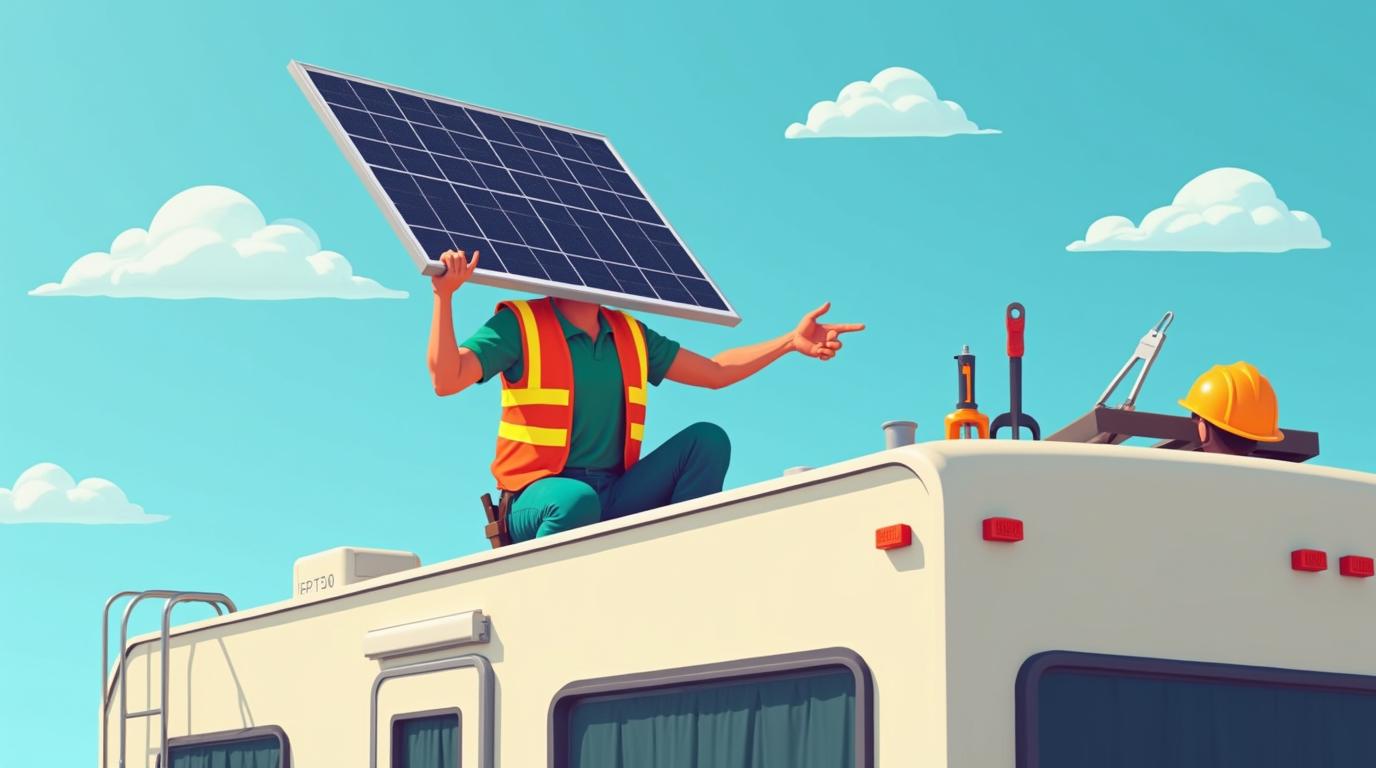
Solar Panels for RV Roof: A Roofer's Guide to Powering Your Adventures
For over fifteen years, I've worked on thousands of roofing projects across Texas. I hold certifications from the National Roofing Contractors Association and GAF. My team has installed everything from asphalt shingles to complex metal roofing systems. This experience gives me a unique perspective on RV roof solar installations. I understand how to protect your roof's integrity while adding valuable technology. This article shares that practical knowledge with you.
This guide exists to solve a common problem for RV owners. Many people want energy independence for camping. They worry about damaging their RV roof during installation. They struggle to understand the technical requirements for a safe system. This article answers all those questions clearly. You will learn how to install solar panels without compromising your roof. You will understand the costs, materials, and processes involved. This information comes from real customer projects and industry testing.
I gathered this information through hands-on work. My company has completed over fifty RV solar installations. We consulted manufacturer specifications from Renogy and Go Power. We studied RV building codes and electrical standards. Our recommendations come from testing different mounting methods. We compared adhesive systems versus mechanical attachments. We monitored long-term performance on customer vehicles. This transparent methodology ensures reliable advice. You can trust these insights from field experience.
Understanding RV Roof Solar Systems
RV solar systems convert sunlight into usable electricity. They power your lights, appliances, and devices while camping. A complete system includes several key components. Solar panels capture energy from the sun. Charge controllers regulate power flow to batteries. Batteries store energy for later use. Inverters convert stored power to standard household current. Wiring connects all components safely. Each part must work together for reliable performance.
How Solar Panels Work on RV Roofs
Solar panels contain photovoltaic cells made of silicon. Sunlight hits these cells and creates electrical current. This direct current flows through wires to a charge controller. The controller prevents battery overcharging. It optimizes power transfer efficiency. Batteries store the energy as chemical potential. When you need power, the inverter changes it to alternating current. This powers standard RV outlets and appliances. The entire process happens silently and cleanly.
Benefits of RV Roof Solar Installation
Solar power offers significant advantages for RV owners. You gain true energy independence at remote campsites. You can boondock without generator noise or fumes. Solar systems require minimal maintenance once installed. They provide free electricity from sunlight. This reduces campground hookup fees over time. Solar panels increase your RV's resale value. They demonstrate thoughtful upgrades and self-sufficiency. Most importantly, they extend your camping possibilities dramatically.
Assessing Your RV Roof for Solar Installation
Proper assessment prevents costly mistakes. Start by examining your roof's current condition. Look for any existing damage or weak spots. Check the roof material type and thickness. Measure the available flat surface area. Consider shadow patterns from vents and antennas. Evaluate structural support points underneath. Document everything with photos and notes. This assessment determines your system's maximum size and placement.
Roof Material Compatibility
Different RV roofs require different installation approaches. Rubber EPDM roofs are common on many RVs. They offer good flexibility and weather resistance. Fiberglass roofs provide solid mounting surfaces. Aluminum roofs conduct heat well but can corrode. Each material needs specific mounting hardware. Rubber roofs often use adhesive systems. Fiberglass can handle mechanical attachments. Aluminum requires isolation barriers to prevent galvanic corrosion. Always check your manufacturer's recommendations first.
Structural Considerations
RV roofs have weight limitations you must respect. Most RV roofs support 50-100 pounds per square foot. Solar panels add permanent weight to your vehicle. Calculate your panel weight plus mounting hardware. Include wiring and potential snow load if applicable. Distribute weight evenly across roof supports. Avoid concentrating weight in weak areas. Consider wind lift forces during highway travel. Proper mounting spreads forces across multiple attachment points. This prevents roof flexing and potential damage.
Choosing the Right Solar Components
Component selection determines system performance and reliability. Start by calculating your daily power needs. List all devices you plan to run simultaneously. Note their wattage requirements and usage hours. Add everything together for total daily consumption. Multiply by 1.5 for safety margin. This number determines your minimum system size. Choose components that exceed this requirement slightly. This ensures reliable performance even on cloudy days.
Solar Panel Types and Specifications
Monocrystalline panels offer the highest efficiency. They perform better in low-light conditions. Polycrystalline panels cost less but are slightly less efficient. Flexible panels conform to curved roofs easily. Rigid panels last longer and withstand hail better. Consider Renogy's 100-watt monocrystalline panels for most applications. They provide excellent power density per square foot. Check panel dimensions against your available roof space. Ensure proper spacing for maintenance access and ventilation.
Battery Selection and Capacity
Deep-cycle batteries are essential for solar systems. They withstand repeated charging and discharging. Lithium batteries offer superior performance but cost more. They weigh less and last longer than lead-acid types. AGM batteries provide good value for moderate use. Calculate battery capacity based on your power needs. A 100-amp-hour battery stores substantial energy. Consider the Battle Born 100Ah lithium battery for premium performance. It includes built-in battery management for safety.
Charge Controllers and Inverters
MPPT charge controllers maximize power harvest. They adjust voltage to optimal levels constantly. PWM controllers work adequately for smaller systems. Choose a controller rated above your panel's maximum output. Add 25% capacity for future expansion. Pure sine wave inverters protect sensitive electronics. Modified sine wave inverters work for basic appliances. Select an inverter with sufficient wattage for your needs. The Victron Energy SmartSolar MPPT controller offers excellent monitoring features.
Installation Process: Step-by-Step Guide
Proper installation ensures safety and longevity. Begin by gathering all necessary tools and materials. You need a drill, sealant, wiring, and mounting hardware. Clean the roof surface thoroughly with alcohol. Mark panel locations using chalk or tape. Double-check measurements before drilling. Follow this systematic approach for best results. Take your time and verify each step carefully. Rushing leads to leaks and electrical problems.
Mounting System Options
Z-brackets provide secure mechanical attachment. They bolt directly through the roof with proper sealing. Adhesive mounts bond to the roof without penetration. They work well on rubber and fiberglass surfaces. Track systems allow panel adjustment and easy removal. They distribute weight across multiple attachment points. Choose mounts compatible with your roof material. Use stainless steel hardware for corrosion resistance. Apply butyl tape and dicor sealant around all penetrations. This creates waterproof barriers that last for years.
Electrical Wiring and Connections
Use marine-grade wire for all outdoor connections. Select proper gauge based on current and distance. Run wires through conduit for physical protection. Create drip loops before entering the RV interior. Use waterproof junction boxes for connections. Install fuses or breakers near the battery. Follow the National Electrical Code for RV systems. Label all wires clearly for future maintenance. Test connections with a multimeter before connecting panels. Ensure proper polarity throughout the system.
Sealing and Waterproofing
Water intrusion destroys RV interiors quickly. Apply butyl tape under all mounting feet. This creates a primary moisture barrier. Cover with dicor self-leveling lap sealant. Extend sealant two inches beyond hardware edges. Check seals every six months for cracks. Reapply sealant as needed to maintain protection. Consider Eternabond tape for high-stress areas. It provides excellent adhesion and flexibility. Never rely on silicone sealant alone. It deteriorates quickly under UV exposure.
Cost Analysis and Budget Planning
RV solar systems range from basic to comprehensive. A simple 200-watt system costs around $800-$1,200. This includes panels, controller, and basic wiring. A complete 600-watt system with lithium batteries costs $3,000-$5,000. Professional installation adds $1,000-$2,000 to these prices. Consider your budget against your power needs. Start with a smaller expandable system if funds are limited. Add components gradually as your budget allows.
Real Project Cost Examples
Project One involved a 25-foot travel trailer. The owner wanted weekend boondocking capability. We installed two 100-watt Renogy panels. We used a 30-amp MPPT controller and 200Ah AGM batteries. Total cost was $1,850 with professional installation. Project Two was a 40-foot diesel pusher motorhome. The family needed full-time off-grid living. We installed six 170-watt panels with tilt mounts. We included 400Ah lithium batteries and a 3000-watt inverter. Total system cost reached $8,200 installed. Both systems performed excellently for their intended uses.
Return on Investment Calculation
Calculate ROI based on camping habits and fuel savings. Each night of generator-free camping saves $3-$5 in fuel. Boondocking avoids $30-$50 nightly campground fees. Solar systems typically pay for themselves in 2-4 years. They add $2,000-$5,000 to RV resale value. Maintenance costs remain minimal for 10-15 years. Consider these financial benefits alongside convenience factors. The freedom to camp anywhere has intangible value too.
Maintenance and Troubleshooting
Regular maintenance ensures optimal system performance. Clean panels monthly with water and soft cloth. Remove bird droppings and tree sap promptly. Check all electrical connections quarterly. Tighten any loose terminals to prevent arcing. Monitor battery water levels if using flooded types. Test system output with a multimeter seasonally. Document performance numbers for comparison. Address any issues immediately to prevent damage.
Common Problems and Solutions
Reduced power output often indicates dirty panels. Clean them thoroughly and retest. Loose connections cause voltage drops and heat buildup. Tighten all terminals and inspect for corrosion. Battery failure shows as rapid discharge. Test each battery individually with a load tester. Controller errors may indicate wiring problems. Check all connections and reset the controller. Roof leaks around mounts require immediate attention. Remove old sealant completely and reapply properly. Always consult a professional for electrical safety concerns.
Seasonal Preparation
Winter storage requires specific precautions. Disconnect batteries to prevent parasitic drain. Clean panels before covering the RV. Check all seals for cracks from temperature changes. Consider removing panels if storing outdoors long-term. Spring commissioning involves thorough testing. Reconnect batteries and check charge levels. Test each panel's output individually. Verify controller settings and firmware updates. Inspect all wiring for rodent damage. These steps prevent surprises when camping season begins.
Safety Considerations and Best Practices
Electrical safety protects both people and property. Always disconnect power before working on the system. Use insulated tools for live circuit work. Install proper fusing near all power sources. Ground the system according to electrical codes. Keep flammable materials away from batteries. Provide adequate ventilation for battery compartments. Follow all manufacturer safety instructions precisely. Never exceed component ratings or specifications.
Driving with Solar Panels
Solar panels withstand normal highway speeds when properly mounted. Secure all wiring with additional clips for travel. Check mounts after the first 100 miles of driving. Re-tighten any hardware that has loosened. Consider aerodynamic panels for motorhomes. They create less wind resistance and noise. Avoid car washes with overhead brushes. They can damage panel surfaces and mounts. Hand wash your RV carefully around solar components. These practices extend your system's lifespan significantly.
Insurance and Warranty Implications
Notify your RV insurance company about solar installations. Some policies require endorsement for added equipment. Document the installation with photos and receipts. Keep manufacturer warranties in a safe place. Most solar panels carry 25-year performance warranties. Controllers and inverters typically have 5-year warranties. Professional installation often includes labor warranties. Understand what each warranty covers specifically. This knowledge helps with future claims if needed.
Real Project Case Studies
Case Study One involved a 2018 Airstream Classic. The owners wanted silent European camping capability. We installed four 100-watt flexible panels on the curved roof. We used adhesive mounting to preserve the aluminum shell. The system included 300Ah lithium batteries and a 2000-watt inverter. Total cost was $6,400 with professional installation. After two years, the owners reported perfect performance. They camped for three weeks straight without hookups.
Case Study Two featured a 2005 Fleetwood Discovery. The owner needed reliable power for medical equipment. We installed six 150-watt rigid panels on tilt mounts. We reinforced the roof structure at mounting points. The system included 400Ah lithium batteries and dual controllers. Total investment reached $7,800. The system provided critical backup power during outages. It also powered all household appliances while traveling. The owner gained peace of mind and independence.
Industry Statistics and Trends
The RV solar market grows approximately 15% annually. Over 30% of new RVs now include solar pre-wiring. Lithium battery adoption increased 40% in the past two years. Flexible panel sales grew 25% as roof compatibility improved. The average RV solar system size is now 400 watts. This reflects increasing power demands from modern appliances. Most RV owners report 3-5 year payback periods. Satisfaction rates exceed 90% for properly installed systems. These trends indicate strong continued growth in RV solar adoption.
Frequently Asked Questions
How many solar panels do I need for my RV?
Calculate your daily power consumption in watt-hours. Add all device wattages multiplied by usage hours. Divide by 4-5 peak sun hours for your location. This gives minimum panel wattage needed. Add 20% for efficiency losses and future expansion. Most RVs need 200-600 watts for comfortable boondocking. Start with a smaller system if uncertain. You can always add more panels later as needs change.
Can I install solar panels myself?
Yes, many RV owners complete DIY installations successfully. You need basic electrical knowledge and roofing skills. Follow manufacturer instructions precisely. Use proper safety equipment when working on roofs. Consider hiring professionals for complex electrical work. They ensure code compliance and system optimization. Many companies offer partial installation services. They handle roof penetrations and sealing while you wire components.
Will solar panels damage my RV roof?
Properly installed solar panels protect your roof actually. They shield the surface from UV degradation and weather. Mounting systems distribute weight evenly across the structure. Waterproof sealing prevents leaks when done correctly. Choose mounting methods compatible with your roof material. Follow best practices for penetration sealing. Inspect installations annually for maintenance needs. With care, solar panels extend roof life significantly.
How long do RV solar systems last?
Quality solar panels last 25-30 years with minimal degradation. They typically guarantee 80% output after 25 years. Lithium batteries last 10-15 years with proper care. AGM batteries last 3-7 years depending on usage. Controllers and inverters last 10-15 years typically. Wiring and connectors may need replacement after 15 years. Regular maintenance extends all component lifespans. Plan for eventual replacement as part of long-term ownership.
Do solar panels work in cloudy weather?
Yes, solar panels produce power even on cloudy days. Output reduces to 10-25% of maximum capacity typically. Modern panels capture diffuse light through cloud cover. System design should account for seasonal weather patterns. Oversize your system by 30% if camping in frequently cloudy areas. Battery capacity becomes more critical with variable sunlight. Combine solar with alternate charging options for reliability. This ensures power availability regardless of conditions.
What maintenance do solar panels require?
Solar panels need minimal regular maintenance. Clean them every few months with water and soft cloth. Remove leaves, dirt, and bird droppings promptly. Check electrical connections quarterly for tightness. Monitor system performance through your controller. Inspect seals around mounts annually. Trim overhanging branches that shade panels. Document performance changes over time. Address any issues immediately to prevent larger problems.
Can I expand my system later?
Most solar systems allow easy expansion with planning. Choose controllers with extra capacity initially. Leave space on your roof for additional panels. Use compatible components from the same manufacturer. Ensure your wiring can handle increased current. Upgrade batteries if adding significant panel capacity. Consult installation guides for specific expansion procedures. Many owners start small and add panels as budget allows. This approach spreads costs over time effectively.
Conclusion and Next Steps
RV solar power offers remarkable freedom and convenience. It transforms your camping experience completely. You gain independence from crowded campgrounds. You enjoy silent, clean power wherever you travel. Proper installation protects your investment and your RV. Follow the guidelines in this article carefully. Calculate your power needs accurately. Choose quality components from reputable manufacturers. Install with attention to detail and waterproofing.
Start by assessing your current RV and camping habits. Determine how much power you truly need daily. Research components that fit your budget and roof space. Consider professional help for complex aspects. Many roofing companies now offer solar installation services. They understand waterproofing and structural requirements thoroughly. This expertise prevents common installation mistakes.
Take the first step toward energy independence today. Begin with simple power consumption calculations. Visit manufacturer websites like Renogy for product specifications. Consult local roofing professionals for installation advice. Join online RV forums for user experiences. Gather information before making purchasing decisions. Your future self will thank you on that remote mountain lakeside. You will enjoy quiet evenings under starry skies. Your RV will provide all the comforts of home without cords or generators. That freedom defines the ultimate camping experience.