
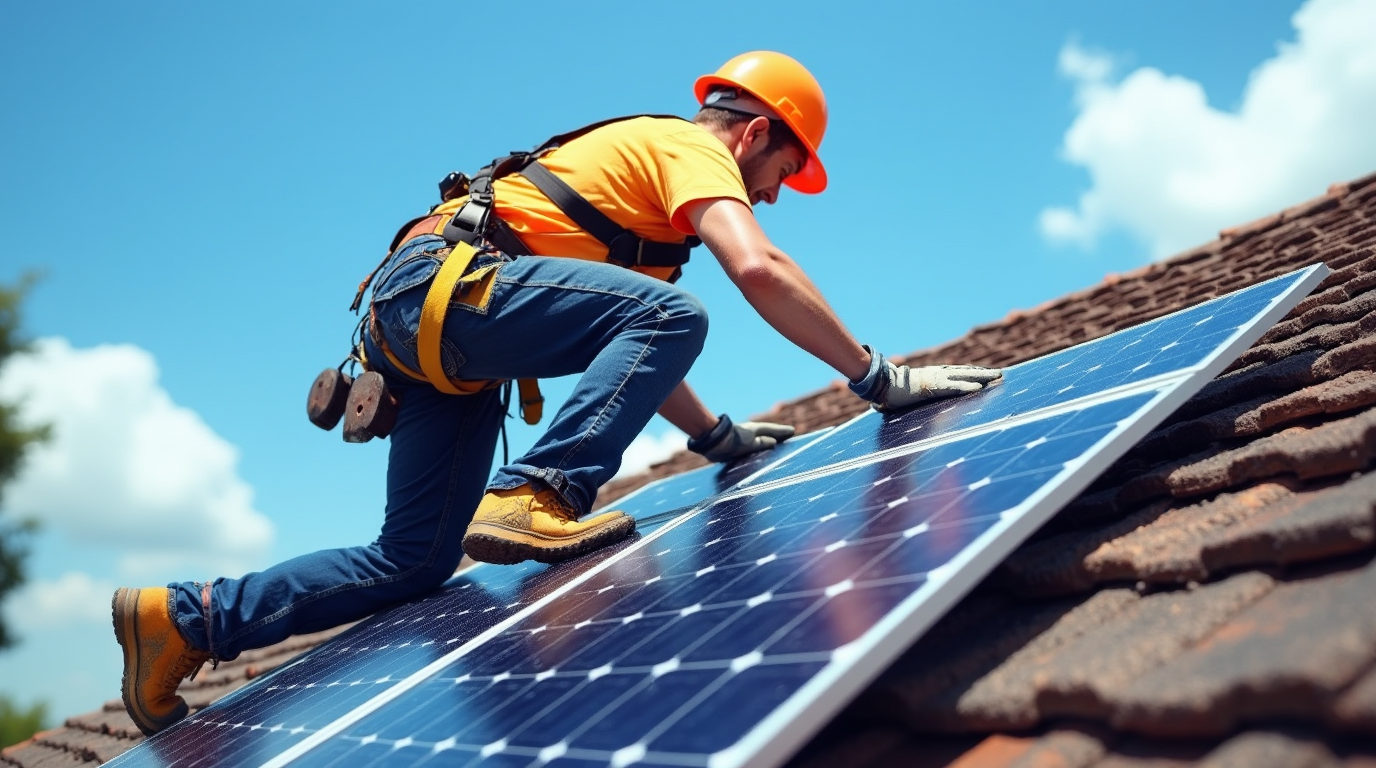
Solar Panels Integrated Into Roof: A Roofer's 15-Year Perspective on What Actually Works
For fifteen years, I've climbed thousands of roofs across Texas. I've installed everything from basic asphalt shingles to premium metal roofing systems. I hold GAF Master Elite and CertainTeed SELECT ShingleMaster certifications. Our team has completed over 3,500 roofing projects. This experience gives me a unique perspective on solar integration. Homeowners often ask me about solar panels that blend with their roof. They want clean energy without compromising their home's appearance. This article exists to answer that exact question. I will share what actually works based on real installations. I will explain what homeowners should know before making this investment. This information comes from customer projects, manufacturer specifications, and building code requirements. I will be transparent about costs, benefits, and potential challenges. My goal is to save you time and prevent costly mistakes. Let's explore integrated solar roofing together.
What Are Integrated Solar Roof Systems?
Integrated solar systems blend solar technology directly into your roof. They replace traditional roofing materials with solar-generating ones. This differs from standard solar panel mounts. Standard panels sit on racks above your existing roof. Integrated systems become your roof. They provide both weather protection and energy generation. The concept has evolved significantly over the past decade. Early systems were clunky and inefficient. Modern systems offer sleek designs and better performance. Manufacturers like Tesla, GAF Energy, and CertainTeed now produce integrated solutions. These systems appeal to homeowners who value aesthetics. They also work well for new construction or full roof replacements. Understanding this distinction is crucial for making informed decisions.
How Integrated Solar Differs from Traditional Rack-Mounted Panels
Traditional solar panels use mounting racks. These racks attach to your existing roof through the shingles. They create a small air gap between the panel and roof surface. This gap helps with cooling and wiring. Integrated systems eliminate these racks. The solar modules install directly onto the roof deck. They interlock with special flashing and underlayment. This creates a seamless, low-profile appearance. The wiring runs beneath the solar tiles or shingles. This protects it from weather and UV exposure. From a roofer's perspective, installation methods differ completely. Rack systems work with almost any roof type. Integrated systems require specific roof structures and materials. Each approach has distinct advantages and limitations.
The Evolution of Building-Integrated Photovoltaics (BIPV)
Building-Integrated Photovoltaics (BIPV) represent the technical category for these products. The National Renewable Energy Laboratory (NREL) has tracked BIPV development for years. Early BIPV products faced challenges with durability and efficiency. Modern BIPV systems meet rigorous building code standards. They undergo testing for wind resistance, fire rating, and hail impact. Manufacturers now offer integrated solar in various forms. These include solar shingles, solar tiles, and solar metal panels. Each type mimics traditional roofing materials while generating power. The technology continues to improve with better energy conversion rates. Homeowners should understand this evolution when evaluating options.
Key Benefits of Integrated Solar Roofing
Integrated solar roofing offers several compelling advantages. The most obvious benefit is aesthetic appeal. These systems maintain your home's architectural integrity. They don't create the bulky appearance of traditional panels. This matters in neighborhoods with strict homeowner association rules. Many HOAs restrict visible solar installations. Integrated systems often bypass these restrictions. They look like premium roofing materials from the street. Another benefit is improved durability. Properly installed integrated systems have fewer penetration points. They don't require numerous roof attachments for mounting racks. This reduces potential leak points over the roof's lifespan. The systems also handle wind uplift better in many cases. They sit flush against the roof deck without air gaps.
Enhanced Energy Efficiency and Home Value
Integrated solar directly increases your home's energy efficiency. You generate electricity from sunlight hitting your roof. This reduces your reliance on the grid. The U.S. Department of Energy confirms solar panels can significantly lower energy bills. Integrated systems may perform slightly better in certain conditions. Their lower profile can reduce wind-related heat loss in winter. Some studies suggest integrated systems increase property values more than traditional panels. The National Association of Realtors notes buyers appreciate built-in solar features. These systems often come with longer warranties than standard roofs. Many manufacturers offer 25-year power output warranties. They also provide weather protection warranties matching premium roofing materials.
Long-Term Cost Savings and Environmental Impact
The financial benefits of integrated solar develop over time. You save money on electricity bills immediately. These savings typically offset the system's higher initial cost. Federal solar tax credits apply to integrated systems. The Database of State Incentives for Renewables & Efficiency tracks available incentives. Many states and utilities offer additional rebates. The environmental benefits are equally important. You reduce your carbon footprint by generating clean energy. Integrated systems use your existing roof space efficiently. They don't require additional land or structures. This makes them ideal for urban and suburban homes. The systems also reduce material waste during installation. They replace conventional roofing rather than adding another layer.
Understanding the Different Types of Integrated Solar Systems
Homeowners should know the main categories of integrated solar. Solar shingles represent the most common residential option. These look like traditional asphalt shingles but contain photovoltaic cells. They install in overlapping rows similar to standard shingles. Solar tiles offer another popular choice. These mimic concrete or clay tile roofing profiles. They work well for Mediterranean or Spanish-style homes. Solar metal panels integrate into standing seam metal roofs. These provide excellent durability and modern aesthetics. Thin-film solar integrates into various roofing membranes. This option works for flat or low-slope commercial roofs. Each type has specific installation requirements and performance characteristics.
Comparing Major Manufacturer Offerings
Several manufacturers dominate the integrated solar market. Tesla Solar Roof remains the most recognized system. It uses tempered glass tiles with integrated solar cells. Non-solar tiles fill areas without optimal sun exposure. GAF Energy offers Timberline Solar shingles. These install directly over roof decking with special nails. They blend with existing asphalt shingles seamlessly. CertainTeed produces Apollo II solar shingles. These work with their Landmark asphalt shingle lines. SunPower manufactures premium solar shingles with high efficiency ratings. Each company provides different warranty terms and performance guarantees. Homeowners should compare specifications carefully. Key factors include power output per square foot, wind resistance ratings, and fire classifications. Always verify products meet UL 1703 and UL 790 standards for safety.
Technical Specifications Homeowners Should Understand
Several technical terms matter when evaluating integrated solar. Wattage per square foot indicates power density. Higher numbers mean more energy from less roof area. Efficiency percentage shows how well panels convert sunlight to electricity. Most integrated systems range from 15% to 22% efficiency. Temperature coefficient matters in hot climates like Texas. This number shows how much efficiency drops as temperatures rise. Lower coefficients perform better in heat. The inverter type affects system performance. Microinverters attach to individual shingles. String inverters connect multiple shingles together. Each approach has pros and cons for maintenance and expansion. Understanding these specifications helps compare different products accurately.
The Real Cost of Integrated Solar Roofing
Integrated solar roofing costs more than traditional solar panels. Prices vary based on system size, roof complexity, and location. As a general estimate, integrated systems cost 30-50% more than rack-mounted panels. For a typical 2,000 square foot roof, expect costs between $45,000 and $75,000 before incentives. This includes both roofing materials and solar components. Several factors influence the final price. Roof pitch and complexity affect installation labor costs. Steeper roofs require more safety equipment and time. The number of roof penetrations like vents and chimneys matters. Each penetration requires custom flashing around solar elements. Local labor rates and permit fees add to the total. Always get multiple detailed quotes before proceeding.
Breaking Down Installation Expenses
Installation costs include several components. The solar shingles or tiles themselves represent the largest expense. These premium materials cost significantly more than standard roofing. Specialized underlayment and flashing add to material costs. Labor for integrated systems requires trained crews. Installers need both roofing and electrical certifications. This specialized labor commands higher rates than standard roofing. Electrical components like inverters and wiring add costs. These must meet National Electrical Code requirements. Permitting and inspection fees vary by municipality. Some areas charge more for solar permits than standard roofing permits. Finally, disposal costs for old roofing materials apply during replacements. Understanding these components helps homeowners budget accurately.
Financial Incentives and Return on Investment
The federal solar investment tax credit (ITC) offers significant savings. This credit currently covers 30% of system costs including installation. The credit applies to both the solar components and roofing work directly related to solar installation. Many states offer additional incentives. Texas provides property tax exemptions for solar improvements. Some utilities offer rebates for installed capacity. Net metering programs credit homeowners for excess energy sent to the grid. These financial benefits improve the return on investment timeline. Most integrated solar systems pay for themselves in 10-15 years through energy savings and incentives. The system continues producing free electricity for years beyond that point. Proper maintenance extends the productive lifespan significantly.
The Installation Process: What Homeowners Can Expect
Integrated solar installation follows a specific sequence. The process begins with a detailed site assessment. A qualified installer examines your roof structure and orientation. They calculate potential energy production using solar pathfinders. This determines if integrated solar makes sense for your home. Next comes design and permitting. The installer creates detailed plans showing layout and electrical diagrams. They submit these plans to local building departments for approval. This phase typically takes 2-6 weeks depending on jurisdiction. Once permits are secured, installation scheduling begins. The actual installation process takes 1-3 weeks for most homes. Weather conditions can affect this timeline significantly.
Step-by-Step Installation Timeline
Day one involves roof preparation. The crew removes existing roofing materials down to the deck. They inspect the deck for damage and make necessary repairs. Proper deck preparation is crucial for long-term performance. Day two focuses on underlayment installation. Special waterproof underlayment goes over the entire roof deck. This provides secondary protection against water intrusion. Flashing installation around penetrations follows. Days three through seven involve solar module installation. Crews start at the roof's edge and work upward. They interlock solar shingles or tiles according to manufacturer specifications. Electrical wiring runs beneath the modules as they install. The final days involve inverter installation and electrical connections. A licensed electrician makes final connections to your home's electrical panel. The system undergoes thorough testing before activation.
Critical Installation Considerations
Several installation factors affect system performance and longevity. Proper roof slope is essential for water drainage. Most integrated systems require minimum 3:12 pitch ratios. Roof orientation impacts energy production. South-facing roofs typically generate the most electricity in the northern hemisphere. Shading from trees or nearby buildings reduces output significantly. Installers must account for future roof maintenance needs. They should leave access pathways for chimney cleaning or vent repairs. Proper ventilation beneath solar modules prevents heat buildup. This maintains both roofing material and solar cell longevity. All installations must follow International Residential Code (IRC) requirements for solar roofing. These codes address structural loading, fire safety, and electrical standards.
Maintenance and Long-Term Care Requirements
Integrated solar roofs require specific maintenance routines. Regular cleaning maintains optimal energy production. Dust, pollen, and bird droppings reduce solar efficiency over time. Most manufacturers recommend cleaning every 6-12 months. Use soft brushes and mild detergent solutions. Avoid abrasive cleaners that could scratch surface coatings. Inspect the roof twice yearly for any visible damage. Look for cracked tiles, loose flashing, or vegetation growth. Keep gutters and downspouts clear to prevent water backup. Trim overhanging tree branches that could fall during storms. Monitor energy production through system monitoring software. Sudden drops in output may indicate issues needing professional attention. These simple steps extend your system's productive lifespan significantly.
Professional Inspection and Repair Protocols
Schedule professional inspections every 3-5 years. Certified technicians check electrical connections and inverter performance. They verify all components operate within specifications. Repairs require specialized knowledge and equipment. Only manufacturer-certified contractors should perform warranty repairs. Attempting DIY repairs often voids product warranties. Common issues include inverter failures, wiring problems, and individual cell degradation. Most systems allow replacement of individual shingles without disturbing surrounding ones. This modular approach simplifies repairs. Keep detailed records of all maintenance and repairs. These records prove proper care if warranty claims become necessary. They also help future homeowners understand the system's history.
Warranty Coverage and Limitations
Integrated solar systems typically include multiple warranties. The solar components have power output warranties. These guarantee minimum electricity production for 25-30 years. The roofing components have weather protection warranties. These cover leaks and material defects for similar periods. Workmanship warranties cover installation errors for 5-10 years. Understanding warranty limitations is crucial. Most warranties require professional installation by certified contractors. They mandate regular maintenance as specified in owner manuals. Some exclude damage from extreme weather events like hail or hurricanes. Others limit coverage if modifications are made without manufacturer approval. Always read warranty documents thoroughly before installation. Ask installers to explain any confusing terms or conditions.
Common Challenges and How to Address Them
Integrated solar roofing presents some unique challenges. Compatibility with existing roof structures can be problematic. Older homes may need structural reinforcement to support added weight. This adds unexpected costs to projects. Finding qualified installers remains difficult in some areas. Few contractors have both roofing and solar electrical expertise. This limited competition can increase prices. Future roof repairs become more complex with integrated systems. Fixing leaks around solar components requires specialized knowledge. Insurance coverage may need adjustments for these high-value systems. Some insurers charge higher premiums for solar-integrated roofs. Understanding these challenges helps homeowners prepare properly.
Navigating Insurance and Financing Hurdles
Homeowners insurance requires special attention with integrated solar. Notify your insurance company before installation begins. Many policies need endorsements for solar systems. Some insurers offer premium discounts for disaster-resistant features. Document the system's value with purchase receipts and specifications. Consider increasing your dwelling coverage amount appropriately. Financing integrated solar requires careful planning. Home equity loans often offer the best rates for these improvements. Some manufacturers provide financing programs through partner lenders. Energy-efficient mortgages (EEMs) allow including solar costs in home purchases or refinances. The U.S. Department of Housing and Urban Development oversees EEM guidelines. Explore all options to find the most favorable terms for your situation.
Addressing Performance Concerns in Real Conditions
Actual energy production often differs from theoretical estimates. Shading from new construction or tree growth reduces output over time. Seasonal weather patterns affect monthly generation amounts. System aging naturally decreases efficiency slightly each year. These factors mean real-world savings may be lower than initial projections. Proper system sizing accounts for these variables. Installers should use conservative production estimates, not optimal laboratory conditions. Monitoring software helps track actual versus expected performance. This data identifies when systems underperform significantly. Professional assessments can then determine causes and solutions. Realistic expectations prevent disappointment with system performance.
Real Project Case Studies and Outcomes
Case Study 1 involved a Kingwood homeowner with a 1990s traditional roof. The original asphalt shingles needed replacement due to storm damage. The homeowner chose GAF Energy Timberline Solar shingles. Installation occurred during summer 2023. The 2,800 square foot roof cost $52,000 before incentives. Federal and state credits reduced net cost to $36,400. The system generates approximately 12,500 kWh annually. This covers 85% of the home's electricity needs. Monthly electric bills dropped from $180 to $25 average. The homeowner reports satisfaction with both appearance and performance. No maintenance issues have occurred in the first year.
Case Study 2 featured a new construction home in The Woodlands. The builders integrated Tesla Solar Roof from initial design. This allowed optimal roof orientation for solar production. The 3,200 square foot roof cost $68,000 as part of the total construction loan. The system generates 14,200 kWh annually. This exceeds the home's electricity consumption. The excess power earns credits through retail net metering. The homeowners appreciate the seamless appearance. They note the roof survived recent hail storms without damage. Their insurance premium increased only 8% despite the system's value.
Case Study 3 involved a roof replacement on a 1985 home in Spring. The homeowners selected CertainTeed Apollo II solar shingles. Installation faced challenges with outdated electrical service. The home needed a panel upgrade to handle solar integration. This added $3,200 to project costs. The final system cost $47,500 before incentives. It generates 9,800 kWh annually. This covers 70% of electricity needs. The homeowners would choose integrated solar again but advise others to verify electrical capacity early. Their experience highlights the importance of comprehensive pre-installation assessments.
Industry Statistics and Future Trends
The Solar Energy Industries Association tracks solar market data. Integrated solar represents approximately 3% of residential solar installations currently. This percentage grows about 15% annually as products improve. Average installation costs have decreased 40% over the past five years. Efficiency ratings have improved from 12% to over 20% during the same period. These trends make integrated systems more accessible to homeowners. Future developments include building-integrated solar windows and siding. These will expand solar generation beyond roof surfaces. Smart inverters will better integrate with home energy management systems. Battery storage integration will become more seamless. These advances will increase the value proposition for homeowners considering solar investments.
Frequently Asked Questions (FAQ)
How long do integrated solar roofs last compared to traditional roofs?
Integrated solar roofs typically last 25-30 years for power generation. The weather protection components often last 30-50 years with proper maintenance. This exceeds standard asphalt shingle roofs which last 15-25 years. The solar cells gradually lose efficiency over time, typically degrading about 0.5% annually. Most manufacturers guarantee 80-90% power output after 25 years. Proper installation and maintenance maximize lifespan for both functions.
Can I install integrated solar on only part of my roof?
Yes, most systems allow partial roof coverage. Installers typically place solar modules on south-facing sections with optimal sun exposure. Non-solar matching tiles cover remaining areas. This approach reduces costs while maintaining uniform appearance. The system design must account for different roofing materials meeting at transitions. Proper flashing ensures water-tight connections between solar and non-solar sections. Partial coverage works well when budget constraints limit full roof installation.
What happens if a solar shingle gets damaged?
Damaged solar shingles can usually be replaced individually. Certified technicians disconnect the affected module from the system. They remove surrounding shingles to access the damaged one. After replacement, they reconnect the electrical connections and reinstall surrounding shingles. The process typically takes 2-4 hours for a single shingle. Costs vary but often range from $300-$600 including labor and materials. Homeowners insurance may cover damage from covered perils like hail or falling trees.
Do integrated solar systems work during power outages?
Standard grid-tied systems automatically shut down during outages for safety reasons. This protects utility workers repairing power lines. Adding battery storage creates a hybrid system that can provide backup power. The batteries store excess solar energy for use when the grid fails. Automatic transfer switches isolate your home from the grid during outages. This allows continued operation of critical circuits. Battery systems add significant cost but provide valuable resilience during emergencies.
How does roof orientation affect integrated solar performance?
Roof orientation significantly impacts energy production. South-facing roofs produce the most electricity in the northern hemisphere. East and west-facing roofs produce about 15-20% less energy. North-facing roofs produce 30-40% less in most locations. Installers calculate expected production based on your specific orientation. They may recommend additional modules on suboptimal surfaces to meet energy goals. Proper design accounts for orientation, shading, and local climate conditions.
Can I add integrated solar to my existing roof without full replacement?
Most integrated systems require full roof replacement. They replace traditional roofing materials rather than mounting above them. Some products like GAF Energy's Timberline Solar can install over existing shingles in good condition. This requires specific approval from building officials and manufacturers. Even these systems typically work best with new underlayment and proper preparation. Attempting integration over worn roofs often voids warranties and creates performance issues.
What maintenance do integrated solar roofs require?
Integrated solar roofs need regular cleaning every 6-12 months. Use soft brushes and mild detergent to remove dirt and debris. Trim overhanging branches that could shade panels or drop leaves. Clean gutters regularly to prevent water backup. Monitor energy production through system software. Schedule professional inspections every 3-5 years. These inspections check electrical connections, inverter function, and overall system health. Proper maintenance ensures optimal performance and warranty compliance.
Conclusion: Making an Informed Decision
Integrated solar roofing represents a significant home improvement investment. It combines premium roofing materials with clean energy generation. The technology has matured considerably in recent years. Modern systems offer reliable performance and attractive aesthetics. Homeowners should carefully evaluate their specific situation before proceeding. Consider your roof's condition, orientation, and structural capacity. Calculate potential energy savings and available incentives. Research qualified installers with proper certifications. Review warranty terms and maintenance requirements thoroughly. Integrated solar makes the most sense during roof replacement or new construction. It offers long-term value through energy savings and increased home value. The decision requires balancing higher initial costs against future benefits. For many Texas homeowners, integrated solar provides an excellent solution for energy independence and environmental responsibility. Start with a professional assessment of your home's solar potential. This first step provides the data needed for an informed decision.