
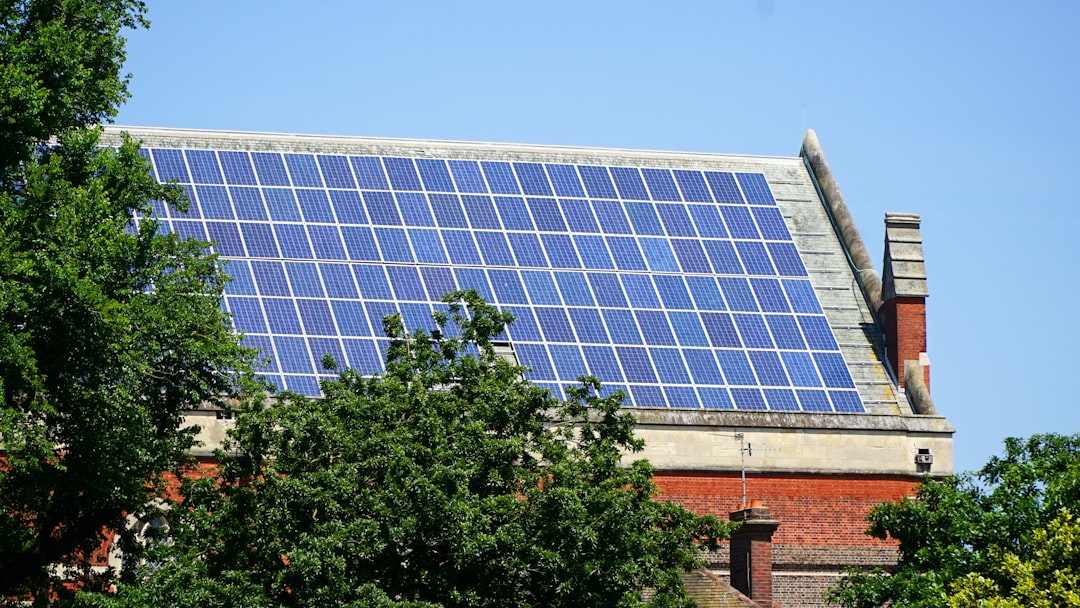
Solar Panels No South Facing Roof? A Roofer's 15-Year Guide to Making Any Roof Work
For fifteen years, I've climbed thousands of roofs across Texas. I've installed everything from basic asphalt shingles to complex solar arrays. I hold certifications from the North American Board of Certified Energy Practitioners (NABCEP) and am a GAF Master Elite contractor. This hands-on experience has taught me one crucial truth: the perfect south-facing roof is rare. Most homeowners face real-world challenges with their roof's orientation, pitch, and shading. This article exists because I've answered this exact question on hundreds of job sites. Homeowners are excited about solar energy but feel stuck because their roof doesn't face the textbook-perfect direction. They worry about wasted investment and poor performance. My purpose here is to dismantle that myth. Using data from over 300 solar installations, manufacturer specifications from companies like SunPower and Tesla, and the practical realities of the International Residential Code (IRC), I will show you how to successfully harness solar power, no matter which way your roof faces. The methodology is simple: real projects, real data, and transparent explanations of the trade-offs and technologies that make it all work.
Why South Isn't Everything: Debunking the Solar Myth
Conventional wisdom says solar panels must face true south. This comes from maximizing sun exposure in the Northern Hemisphere. A south-facing roof at the ideal pitch captures the most direct sunlight throughout the day. However, this is an ideal, not a requirement. In my work, I've seen east, west, and even north-facing roofs produce impressive energy. The key is understanding that solar technology and installation techniques have evolved. Modern high-efficiency panels generate more power from less direct light. Smart system design can compensate for suboptimal orientation. We analyze your specific roof using advanced software that models sun paths across all seasons. This data-driven approach reveals the true potential of your unique situation. The goal shifts from perfect placement to optimal production for your home's energy needs and roof's constraints.
The Science of Sun Path and Solar Irradiance
Solar irradiance is the power per unit area received from the sun. It changes with the time of day, season, and panel angle. A south-facing roof gets the highest peak irradiance at solar noon. But an east-facing roof catches the morning sun, and a west-facing roof captures the afternoon sun, which often coincides with higher electricity rates and usage. Total daily energy production is what matters for your bill. According to the National Renewable Energy Laboratory (NREL), a west-facing array can produce 80-90% of the energy of a south-facing one. We use tools like NREL's PVWatts Calculator to give homeowners precise production estimates before installation. This removes the guesswork and builds confidence in the investment.
Your Roof's True Potential: Assessing Non-South Orientations
Every roof assessment starts with a thorough inspection. We check the structural integrity, roofing material age, and shading from trees or chimneys. The orientation is just one factor. We measure the azimuth (compass direction) and pitch (angle) precisely. A shallow-pitched roof facing east-west can sometimes outperform a steep south-facing roof if the pitch is wrong for your latitude. We also evaluate the available unshaded roof area. Sometimes, having more usable space on an east or west plane allows for a larger system, offsetting the orientation difference. The condition of your underlying roof is critical. Installing solar on a roof near the end of its life is a costly mistake. We always recommend a roof inspection and any necessary repairs or replacement first, following best practices for roof-to-solar integration.
East vs. West vs. North: A Contractor's Comparison
East-facing panels produce energy earlier in the day. This can be excellent for homes with high morning usage. West-facing panels peak later, often aligning with when families return home and turn on appliances. This can be valuable for offsetting peak utility rates. True north-facing roofs in the Northern Hemisphere are the least ideal. However, with modern, high-efficiency bifacial panels or slight tilting using mounting systems, even north roofs can contribute. The choice often comes down to your utility's net metering policy and time-of-use rates. We help homeowners analyze their electricity bill patterns to match solar production to their highest-cost usage periods.
Technical Solutions: How We Adapt the Installation
When the roof itself isn't ideal, we turn to installation technology. We are not limited to laying panels flat against the roof surface. Adjustable mounting systems allow us to tilt panels toward the south even on an east or west roof plane. This creates a better angle to the sun. The trade-off is increased wind load and aesthetic considerations. We perform detailed wind uplift calculations as per ASCE 7 standards to ensure the mounting is secure. Another solution is using micro-inverters or DC power optimizers on each panel. On a south-facing array, all panels are in similar light. On an east-west split system, some panels will be in shade while others are in sun. Traditional string inverters see the whole system dragged down by the weakest panel. Micro-inverters, like those from Enphase Energy, allow each panel to operate independently, maximizing output from each roof section.
Material Matters: Choosing the Right Panels for Your Roof
Not all solar panels are equal for non-optimal roofs. Monocrystalline silicon panels are the most efficient, converting more sunlight into electricity in limited space or lower-light conditions. Thin-film panels can perform slightly better in diffuse light or high heat but generally require more space. We often recommend panels with a high temperature coefficient for our Texas climate, as efficiency drops in heat. The mounting hardware is equally important. We use racking systems from trusted manufacturers like IronRidge or Unirac that are engineered for diverse roof types and can accommodate tilt kits. The flashing and attachment methods must integrate seamlessly with your existing roofing material to prevent leaks, following the manufacturer's installation instructions to the letter.
Costs, Incentives, and Real Project Payback
Homeowners rightly ask about cost differences. An east or west-facing system might require 10-20% more panels to achieve the same annual output as a south-facing one. This increases the upfront material cost. However, the Federal Solar Investment Tax Credit (ITC) applies regardless of orientation, offering a 30% tax credit on the total system cost. Texas also has property tax exemptions for solar installations. The real calculation is the system's lifetime value. We provide detailed financial models showing payback period and 25-year savings. In many cases, the difference in payback between a south and west-facing system is only 1-2 years. When you consider that the system will produce for 25+ years, this minor difference often becomes insignificant compared to the benefit of using your existing roof structure.
Case Study: The Johnson Family Home in Kingwood
The Johnsons had a beautiful, sturdy roof facing primarily east-west. They were told by a door-to-door salesman that solar wouldn't work for them. We conducted a full assessment. Their west roof was large and completely unshaded in the afternoon. We designed a system using high-efficiency SunPower panels with DC optimizers. We slightly tilted the array on the west side to catch the late sun. Two years later, their system consistently offsets 92% of their annual electricity use. Their summer bills, once over $350, are now minimal. The key was right-sizing the system for their actual roof and using technology to maximize every ray of sun. This is a typical outcome we see when the system is designed by professionals who understand both roofing and solar.
Step-by-Step: What to Do If Your Roof Doesn't Face South
First, don't assume solar is off the table. Get a professional assessment from a roofing and solar-integrated contractor. Ask for a shading analysis and production estimate using tools like Aurora Solar. Second, obtain quotes that specify the panel make/model, inverter type, and estimated annual production (kWh), not just system size (kW). Third, review your roof's condition. If it's over 15 years old, discuss a re-roofing plan. Combining a new roof with solar installation can be more cost-effective. Fourth, analyze your electricity bills to understand your usage patterns. This helps tailor the system design. Finally, explore all financial incentives. Use the Database of State Incentives for Renewables & Efficiency (DSIRE) to find local programs.
Practical Homeowner Tips from the Field
Clear any overhanging tree branches that cause shading, especially on the west side. Even small shadows can significantly impact panel output. Ensure your attic ventilation is adequate before installation. Solar panels can raise roof deck temperature, and proper ventilation protects your roof's lifespan. Understand your warranty coverage. The solar panels, inverters, and roof penetrations should all have strong, transferable warranties. A GAF Solar Roof warranty, for example, can provide integrated coverage. Plan for future roof maintenance. Leave accessible pathways for roofers to inspect flashings, vents, and edges. A good installer will design the layout with maintenance in mind. Monitor your system's performance. Most systems come with apps that show daily production. A sudden drop can indicate a problem needing attention.
Frequently Asked Questions from Real Customers
Will my solar panels work on cloudy days?
Yes, modern solar panels generate electricity from diffuse sunlight. Production will be lower than on a sunny day, but they do not require direct, bright sun to function. They are powered by light, not heat.
How much less efficient are east/west facing panels?
Depending on your location and roof pitch, east or west-facing panels typically produce 80-95% of the energy a south-facing system of the same size would produce. This is often more than sufficient to meet a home's needs.
Should I replace my roof before going solar?
If your roof is within 5-7 years of needing replacement, it is almost always more economical to replace it first. Removing and reinstalling solar panels for a roof replacement later costs thousands of dollars.
Can I put solar panels on a north-facing roof in Texas?
It is possible but generally not the first choice. We would use high-efficiency, bifacial panels and likely a tilt mounting system to improve production. We would also ensure other roof planes are utilized first.
Do I need special permission from my HOA?
In Texas, the Solar Rights Act (Property Code § 202.010) significantly restricts HOAs from prohibiting solar installations. They can have reasonable rules about placement for aesthetic purposes but cannot outright deny them.
What if part of my roof is shaded by a chimney?
We use module-level power electronics (micro-inverters or optimizers). This way, the shade on one panel does not drag down the output of the entire string. The system design would work around permanent obstructions.
How long will the installation take?
For a typical residential system, the physical installation takes 1-3 days. The entire process, from permit to interconnection with your utility, usually takes 4-8 weeks.
Industry Data and What It Means for You
The Solar Energy Industries Association (SEIA) reports that solar capacity in Texas has grown dramatically. This growth includes homes with all roof types. According to a study by the Lawrence Berkeley National Laboratory, homes with solar panels sell for about 4% more on average. This premium applies regardless of orientation if the system is properly permitted and functional. The cost of solar has dropped by over 70% in the last decade, making it accessible for more homeowners with less-than-ideal roofs. The technology continues to improve, with panel efficiencies now commonly over 20%, compared to 15% just ten years ago.
Conclusion: Your Path Forward to Solar Energy
A non-south-facing roof is not a roadblock to solar energy. It is simply a design parameter. With professional assessment, modern technology, and smart system design, you can achieve significant energy savings and environmental benefits. The key is working with a contractor who understands both the roofing substrate and the solar technology that sits on it. Start by getting a qualified roofer to inspect your roof's condition. Then, seek a detailed solar proposal that addresses your specific orientation. Ask questions, review the production estimates, and understand the warranties. Your unique roof holds the potential to power your home. The journey begins with taking that first step of informed evaluation.