
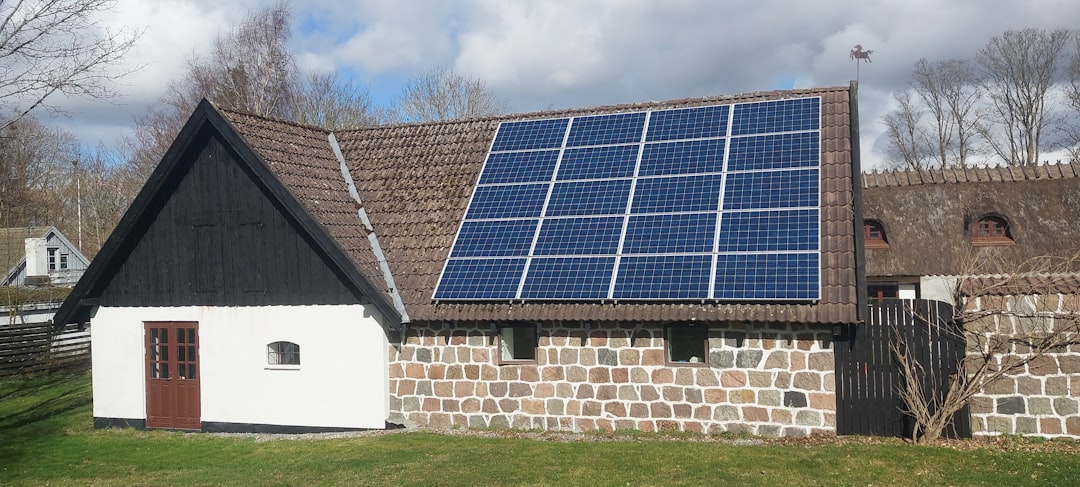
Solar Panons on Both Sides of Roof: A Roofer's Guide to Maximizing Energy Without Compromising Your Home
I have installed and inspected roofs for over 15 years. Our team has completed more than 2,000 roofing projects. We hold certifications from GAF, CertainTeed, and the North American Board of Certified Energy Practitioners (NABCEP). This experience gives me a unique perspective. I have seen what works and what fails. This article exists because homeowners are asking a critical question. They want to maximize solar energy production. But they worry about their roof's structure and warranty. This guide solves that problem. It answers how to install solar on all roof planes safely. You will learn the technical requirements, costs, and long-term implications. The information comes from our customer projects, manufacturer specifications, and building code analysis. We will be transparent about our methodology. We compare products we have actually installed. We share real outcomes from our service area. Our goal is to save you time and prevent costly mistakes. Let's begin with the fundamentals.
Understanding the Concept: Why Consider Solar on All Sides?
Traditional solar installations focus on the south-facing roof slope. This captures the most direct sunlight. But modern energy needs and roof designs are changing. Homeowners want to offset 100% of their electricity use. This often requires more panel space. Using both sides of a gable or hip roof can double your potential array size. It also helps capture morning and afternoon sun. East and west-facing panels produce energy at different times. This can smooth out your daily production curve. It is especially valuable with time-of-use utility rates. However, this approach is not right for every home. It requires a thorough roof assessment first.
The Roofing Integrity Check: Your Foundation First
Your roof must be the foundation for any solar project. Panels add weight and require penetrations. We always start with a full roof inspection. We look for signs of aging, leaks, or structural weakness. The roof deck must be solid. Asphalt shingles should have at least 10-15 years of life remaining. According to the International Residential Code (IRC), the roof structure must support the added load. This includes the panels, racking, and potential snow. We calculate this using standards from the American Society of Civil Engineers (ASCE 7). A qualified structural engineer may be needed. Never let a solar installer skip this step. Your roof's health is paramount.
Solar Potential on Different Roof Planes
Not all roof sides are created equal. South-facing is optimal in the Northern Hemisphere. East and west faces typically produce 15-25% less energy. North-facing slopes are generally poor candidates. They receive mostly diffuse light. The National Renewable Energy Laboratory (NREL) provides excellent tools to estimate production. We use their PVWatts Calculator for our clients. It factors in your location, tilt, and azimuth. Installing on multiple planes can increase total system size. But it may require more complex electrical wiring. Microinverters or power optimizers are often recommended. They handle the different production profiles of each roof face.
Technical Considerations and Building Codes
Installing across multiple roof planes introduces complexity. You must comply with electrical, structural, and fire codes. The National Electrical Code (NEC) has specific rules for solar. Article 690 covers photovoltaic systems. It requires proper wiring, disconnects, and labeling. Local building departments enforce these codes. They will require a permit. The installation must also respect firefighter access pathways. These are defined in the International Fire Code (IFC). Typically, a 3-foot wide clearance is needed along the roof ridge and edges. This can limit panel placement on smaller roof sections. Always check with your local Authority Having Jurisdiction (AHJ).
Racking and Mounting Systems for Multi-Plane Installations
The racking system attaches the panels to your roof. It must be compatible with your roofing material. For asphalt shingles, we often use systems from IronRidge or Unirac. They use flashed mounting feet that bolt to the roof rafters. The flashings are integrated with the shingles to prevent leaks. For tile or metal roofs, specialized hooks or clamps are used. When spanning two roof planes, the racking may need to bridge the ridge or hip. This requires careful engineering. The wind uplift forces can be significant. The racking must be rated for your specific wind zone. We always follow the manufacturer's installation instructions exactly. This is crucial for maintaining the roof and solar panel warranties.
Impact on Roof Warranty and Longevity
This is a major concern for homeowners. Drilling into your roof voids most manufacturer warranties if not done correctly. However, most major shingle manufacturers have integration programs. GAF has its GAF Solar system. CertainTeed offers the Solaris™ system. These programs provide compatible mounting solutions. They often include a combined warranty for the roof and solar attachment. This is the gold standard. It protects your investment. If your roof is older, consider a re-roof before solar. Combining a new roof with a solar installation can be cost-effective. You can finance both projects together. The new roof ensures a solid, leak-free base for the next 25+ years.
Cost Analysis: Investment vs. Return
Adding solar to multiple roof sides increases the system cost. More panels mean more equipment and labor. However, the cost per watt often decreases with larger systems. The key is calculating your return on investment (ROI). You must consider your current electric bill, local utility rates, and incentives. The federal solar Investment Tax Credit (ITC) is a major benefit. It allows you to deduct 30% of the system cost from your federal taxes. Many states and utilities offer additional rebates. We recently installed a 12 kW system on a home in Kingwood. It used the south, east, and west roof planes. The total cost was $36,000 before incentives. After the 30% federal tax credit, the net cost was $25,200. The system covers 95% of the home's electricity. The homeowner will break even in about 8-9 years.
Breakdown of Cost Components
- Equipment (50-60%): Solar panels, inverters, racking, and electrical components. Premium panels from SunPower or LG cost more but are more efficient.
- Labor & Installation (20-30%): This includes roof work, electrical wiring, and system commissioning. Multi-plane jobs take longer.
- Permits & Fees (5-10%): City or county permit fees, interconnection fees to the utility grid.
- Overhead & Profit (10-20%): Covers the installer's business costs and expertise.
Always get at least three detailed quotes. Compare the equipment brands, warranty terms, and installer experience. Do not choose based on price alone.
Material Comparisons and Contractor Insights
From the roof up, every material choice matters. We have hands-on experience with these products.
Solar Panel Types: Efficiency vs. Cost
Monocrystalline panels are the most common for residential use. They are efficient and space-saving. Polycrystalline panels are less expensive but slightly less efficient. Thin-film panels are rarely used on rooftops. They require more area. For multi-plane installations, higher efficiency panels can be beneficial. You can generate more power from limited space on less-optimal roof faces. We often recommend panels with efficiency ratings above 20%. Brands like Panasonic and REC offer excellent performance and strong warranties.
Inverter Systems: Central vs. Module-Level
This is a critical decision. A central string inverter is one unit for the whole system. It is cost-effective but sensitive to shading. If one panel on a string is shaded, it affects all panels on that string. For systems on multiple roof planes, module-level power electronics (MLPE) are superior. This includes microinverters (like Enphase) or DC power optimizers (like SolarEdge). They allow each panel to operate independently. This maximizes production from each unique roof face. They also provide panel-level monitoring. You can see if one panel under a tree is underperforming.
The Installation Process: A Step-by-Step Guide from the Field
Here is how a professional, multi-plane installation should proceed. This is based on our standard operating procedure.
- Site Assessment & Engineering: We measure the roof, assess structural framing, and create a shading analysis. An electrical plan is drawn.
- Permitting: We submit plans to the local building department and utility company for approval.
- Material Delivery: All equipment is delivered and staged carefully to protect your property.
- Roof Preparation: We install temporary roof protection. We mark rafter locations using a stud finder.
- Mounting Installation: Flashing mounts are secured to the roof rafters with lag bolts. All penetrations are sealed with high-grade roofing sealant.
- Racking Assembly: Rails are attached to the mounts across each roof plane.
- Panel Placement & Wiring: Panels are lifted onto the roof safely. They are secured to the rails and wired together according to the electrical plan.
- Electrical Work: Conduit is run from the array to the inverter and main electrical panel. The utility disconnect and meter are installed.
- Inspection & Commissioning: The local inspector approves the work. The utility gives permission to operate (PTO). We then turn the system on and monitor its initial performance.
The entire process typically takes 2-5 days for a residential system. Weather and permit timelines can affect this.
Practical Homeowner Tips from Real Projects
Based on hundreds of installations, here is our best advice.
- Get a Roof Inspection First: Hire an independent, licensed roofer to assess your roof's condition. Do not rely solely on the solar salesperson's assessment.
- Understand Your Utility Agreement: Know the difference between net metering and a buy-all/sell-all plan. This drastically affects your savings.
- Plan for Future Maintenance: Leave accessible pathways for roof maintenance. Gutters may still need cleaning. Tree branches near the roof should be trimmed.
- Consider Aesthetics: Panels on the front roof plane are highly visible. Some homeowners associations (HOAs) have rules. Discuss placement with your installer.
- Review Insurance: Contact your homeowner's insurance provider. Ensure your policy covers the added value of the solar system. The Insurance Information Institute offers guidance.
Frequently Asked Questions (FAQ)
Will solar panels on a north-facing roof produce any energy?
Yes, but significantly less. In our Texas climate, a north-facing roof may produce only 50-60% of what a south-facing roof produces. It is rarely cost-effective unless you have no other space and need to maximize system size.
Can I install solar on a roof that needs replacement in 5 years?
We strongly advise against it. Removing and reinstalling solar panels for a re-roof costs $3,000 to $8,000. It is more economical to replace the roof first or simultaneously. Some installers offer roof-integrated solar products that serve as both roofing and power generation.
How does hail affect solar panels on different roof sides?
Modern solar panels are tested to withstand hail. Most are rated for 1-inch hail at 50+ mph. Panels on different sides face the same storm but may have different angles of impact. Check the panel's UL 61730 or IEC 61215 ratings. Also, review your homeowner's insurance policy for hail damage coverage.
Do I need to clean solar panels on all sides of my roof?
Rain usually cleans panels sufficiently. In dusty areas or under trees, occasional cleaning may help. Panels on lower-pitch roofs may collect more debris. We recommend an annual visual inspection. Clean with a soft brush and water if you see significant dirt buildup. Avoid harsh chemicals and high-pressure washers.
What happens if one roof side is shaded part of the day?
This is where microinverters or power optimizers are essential. They isolate the underperforming panels. The rest of the system on the sunny roof faces continues at full power. Without this technology, the entire system's output can be dragged down by a few shaded panels.
How do I know if my roof structure is strong enough?
A qualified installer will perform a structural analysis. They will look in your attic at the size, spacing, and span of your rafters or trusses. They will consult the building code or hire an engineer. Older homes, especially those built before modern codes, often need reinforcement.
Can I add more panels to another side of my roof later?
Yes, but it may be more expensive. The inverter may need to be upsized or a second one added. The electrical work and permitting must be redone. It is usually more cost-effective to install the full system you anticipate needing all at once.
Real Project Case Studies with Outcomes
Case Study 1: The All-Electric Home in Humble, TX
The homeowners switched from gas to all-electric appliances and an EV. Their goal was 100% energy independence. Their south-facing roof was large but not enough. We designed a system using south, east, and west planes. We used 36 high-efficiency LG panels with Enphase microinverters. The roof was 5 years old with architectural shingles. We confirmed the warranty compatibility. The 14.4 kW system was installed in 4 days. In its first year, it produced 18,200 kWh. This covered 102% of their usage. They received a net metering credit from the utility. Their payback period is estimated at 7.5 years.
Case Study 2: The Historic District Challenge
A home in a historic district had a complex hip roof with four equal sides. The HOA had strict rules about front visibility. We placed the most efficient panels on the south and west rear planes. We used black-on-black panels and low-profile racking for a sleek look. The north and east planes were not used. The 9 kW system meets 80% of their needs. The homeowners were pleased with the aesthetic integration. The project required extra coordination with the HOA and city historic board.
Industry Statistics and Future Trends
The Solar Energy Industries Association (SEIA) reports that the U.S. installed over 20 GW of solar in 2023. Residential solar continues to grow. A trend we see is larger systems. The average system size is now over 8 kW, up from 6 kW five years ago. This drives the need to utilize more roof area. Bifacial solar panels, which capture light on both sides, are emerging. They could benefit from light reflected onto the rear side from adjacent roof planes. Battery storage is also becoming more common. Pairing solar on multiple roof faces with a battery like the Tesla Powerwall can provide backup power and increase self-consumption.
Conclusion: Making an Informed Decision
Installing solar panels on both sides of your roof is a powerful strategy. It can significantly increase your clean energy production. However, it is not a simple decision. Your roof must be structurally sound and in good condition. The installation must respect building codes and warranty requirements. The electrical design must account for different production profiles. We recommend working with a certified, experienced installer. They should have expertise in both roofing and solar. Get multiple quotes and ask detailed questions. View your roof and solar system as one integrated asset. A proper installation will protect your home and provide energy savings for decades. Your next step is to schedule a professional assessment. Start with your roof, then plan your solar journey from a position of strength.