
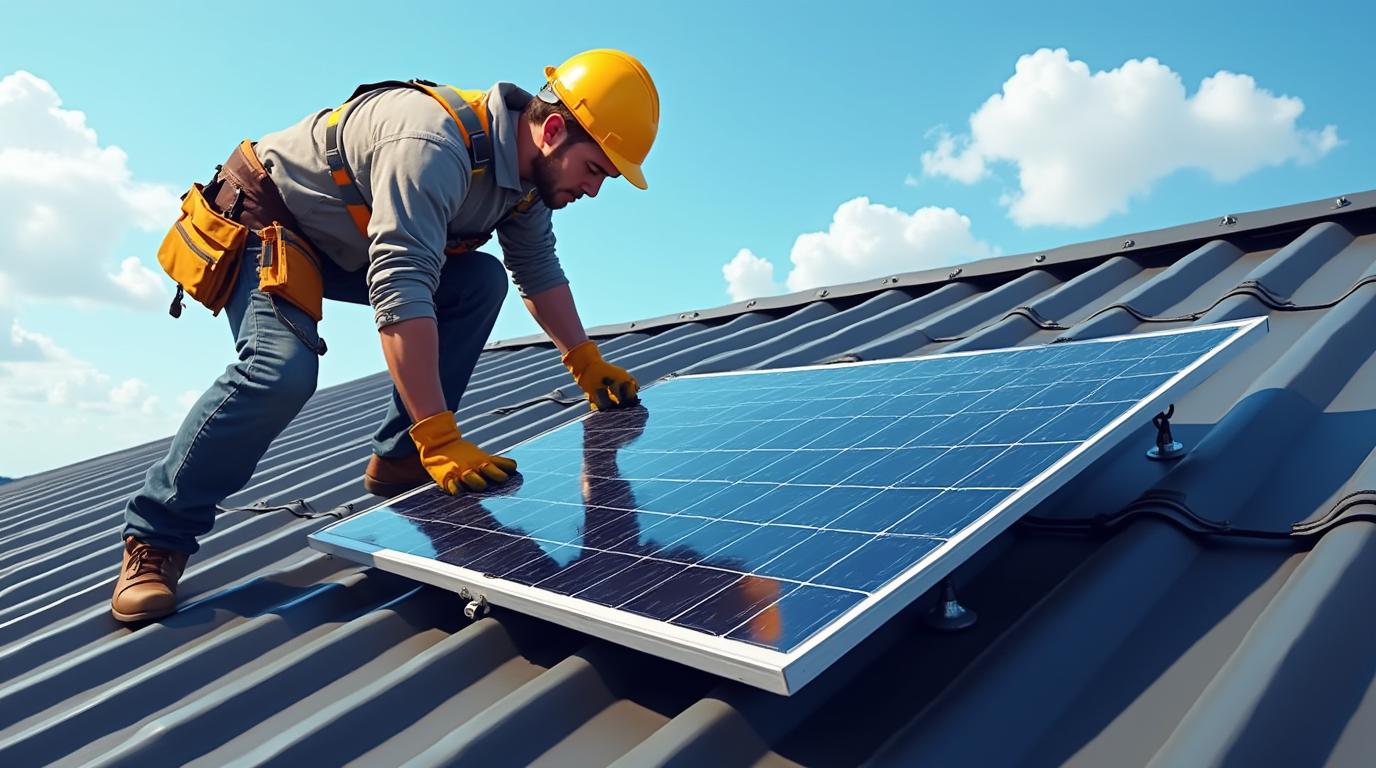
Solar Panels on Rubber Roof: A Contractor's 15-Year Perspective on What Actually Works
For over fifteen years, I've worked on hundreds of commercial and residential roofing projects across Texas. I hold certifications from the National Roofing Contractors Association (NRCA) and am a certified installer for multiple single-ply membrane manufacturers. This hands-on experience has taught me that combining solar energy with rubber roofing requires specific knowledge. Homeowners often ask me if their rubber roof can support solar panels. This article exists to answer that exact question with complete transparency. I will share what I've learned from actual installations, not just theory. My goal is to save you time, money, and potential headaches by providing clear, actionable information based on real-world results.
The information here comes from direct project experience, manufacturer installation guidelines, and building code requirements. We will discuss the pros and cons, the real costs, and the step-by-step process. This guide is designed for homeowners and property managers who want to make an informed decision. You will learn how to assess your roof, choose the right mounting system, and understand the long-term implications. Let's dive into the practical details of installing solar panels on a rubber roof.
Understanding Your Rubber Roof: Types and Conditions
Not all rubber roofs are the same. The term "rubber roof" usually refers to a single-ply membrane made from EPDM (Ethylene Propylene Diene Monomer). EPDM is a synthetic rubber material known for its durability and weather resistance. It is commonly used on flat or low-slope roofs. There are two main installation methods: fully adhered and ballasted. A fully adhered system is glued directly to the roof deck. A ballasted system uses loose stones or pavers to hold the membrane in place. Knowing which type you have is the first critical step.
EPDM Membrane Basics and Solar Compatibility
EPDM roofing is a popular choice for its longevity and relatively low cost. According to the EPDM Roofing Association, these roofs can last 30 years or more with proper maintenance. The material is flexible and can handle temperature extremes well. For solar installations, the key factor is the roof's structural integrity and age. You should never install solar on a roof that is near the end of its life. A professional inspection is essential to check for leaks, seams, and overall condition. The membrane must be in excellent shape to support the additional weight and penetrations.
Assessing Roof Age and Structural Integrity
Before considering solar, you must evaluate your roof's current state. A roof older than 10-15 years needs a thorough inspection. Look for signs of deterioration like cracks, blistering, or pooling water. The underlying deck must be strong enough to hold the solar racking system. I always recommend consulting a structural engineer for older buildings. They can calculate the live load and dead load capacity. This step prevents costly damage to your roof and property. Never skip a professional assessment to save a few dollars upfront.
Solar Panel Mounting Systems for Rubber Roofs
You cannot use standard roof-penetrating mounts on a rubber membrane. Penetrations create potential leak points that are difficult to seal permanently. The industry has developed specific non-penetrating mounting solutions for single-ply roofs. These systems distribute weight evenly without piercing the waterproofing layer. The three main types are ballasted systems, adhered systems, and hybrid approaches. Each has advantages and limitations depending on your roof's design and local wind conditions.
Ballasted Racking Systems
Ballasted systems use concrete blocks or pavers to hold the solar array in place. The racking sits on top of the rubber membrane. Weight is then added on top of the racking feet to prevent movement. This is a completely non-penetrating method. It protects the roof's warranty and integrity. However, it adds significant weight to the roof structure. Your building must be designed to handle this extra load. Engineers typically calculate this as an additional 5-7 pounds per square foot. Always check your roof's load capacity with a professional before choosing this option.
Adhered and Hybrid Mounting Solutions
Adhered systems use a special high-strength adhesive to bond mounting feet directly to the EPDM membrane. Manufacturers like Sika and EcoFasten Solar produce approved adhesives for this purpose. The adhesive must be compatible with the rubber material to prevent chemical degradation. A hybrid system might combine adhesive with limited, well-sealed penetrations at strategic points. These penetrations require meticulous flashing details. I prefer fully non-penetrating methods whenever possible to eliminate future leak risks entirely.
The Real Cost Breakdown: Installation and Long-Term Value
Homeowners need a clear picture of both upfront and long-term costs. Installing solar on a rubber roof typically costs 10-20% more than on a standard shingle roof. The specialized mounting equipment and labor drive this increase. For a typical residential system (6-8 kW), expect to pay between $18,000 and $30,000 before incentives. This includes panels, inverters, racking, wiring, and professional installation. The federal solar tax credit can reduce this cost by 30%. Many states and utilities offer additional rebates.
Itemized Cost Analysis from Recent Projects
Let's break down the costs from a project we completed last year on a commercial building. The system size was 25 kW. Solar panels and inverters cost $15,000. The specialized ballasted racking system was $4,500. Labor for installation and electrical work was $6,000. Permits and engineering fees added $1,500. The total project cost was $27,000. After the federal tax credit, the net cost was $18,900. The building owner expects to save $3,500 annually on electricity. This creates a payback period of just over 5 years. Your numbers will vary based on system size and local electricity rates.
ROI and Energy Savings Projections
The return on investment (ROI) for solar on a rubber roof is strong. Rubber roofs often have large, uninterrupted surface areas perfect for solar. You can install more panels compared to a complex shingle roof. Use the NREL PVWatts Calculator to estimate your specific energy production. Input your location, system size, and roof tilt. The tool will show estimated monthly output. Compare this to your current electric bill to calculate savings. Remember to factor in rising utility rates over time. Solar panels typically have a 25-year performance warranty, providing decades of predictable energy costs.
Step-by-Step Installation Process: A Contractor's View
A proper installation follows a meticulous sequence. Rushing any step can lead to roof damage or system failure. First, the installation team will conduct a final site survey. They verify measurements and mark panel locations. Next, they lay protective walkway mats on the rubber membrane. This prevents punctures and abrasions during work. Then, they position the racking feet according to the engineered plan. For ballasted systems, they place the concrete blocks. For adhered systems, they clean the membrane and apply adhesive. The panels are then mounted to the racking. Finally, electricians connect the wiring and install the inverter.
Critical Flashing and Waterproofing Details
If any penetrations are necessary for conduit or attachments, flashing is crucial. The roofer must use a compatible flashing kit designed for EPDM. Flexco and Carlisle SynTec are leading manufacturers of these products. The process involves cleaning the area, applying primer, and then installing a prefabricated flashing boot. This boot is then sealed to the membrane with adhesive and seam tape. A proper seal is watertight and flexible. It must move with the roof without cracking. I always recommend a flood test after installation to confirm there are no leaks.
Post-Installation Inspection and Maintenance
After installation, a thorough inspection is mandatory. Check all electrical connections and racking attachments. Inspect the roof membrane around all mounting points for any signs of stress or damage. Clean the work area completely. Provide the homeowner with a detailed maintenance plan. This includes cleaning the panels twice a year and checking the racking annually for tightness. Also, schedule a roof inspection every two years to monitor the membrane's condition under the array. Keeping vegetation and debris off the roof is vital for longevity.
Warranty Considerations and Potential Conflicts
Warranties are a major concern for homeowners. You have three warranties to consider: the roof membrane warranty, the solar panel warranty, and the installer's workmanship warranty. Some roof manufacturers may void their warranty if you install solar without their approval. Always check your roof warranty documents first. Many manufacturers, like Firestone Building Products, now offer "solar-ready" warranties or compatibility guidelines. Get written confirmation from the roof manufacturer that your planned installation method is acceptable.
Navigating Manufacturer Requirements
Manufacturers often have specific requirements for attachments. They may specify a minimum membrane thickness, such as 60 mils, for solar installations. They may also require a protective underlayment between the racking and membrane. Some require that only their approved contractors perform the work to maintain the warranty. It is your responsibility to understand these rules. A qualified solar installer should help you navigate this process. They should communicate with the roofing manufacturer if needed. Never assume your roof warranty will remain valid without doing this homework.
Workmanship Warranty and Insurance
Your solar installer should provide a strong workmanship warranty, typically 5-10 years. This covers issues like leaks caused by their installation. Ensure this warranty is in writing and clearly states what is covered. Also, update your homeowner's insurance policy to include the solar array. The system becomes a permanent part of your property. Your insurance should cover it against damage from storms, fire, or other perils. Provide your insurer with the system specifications and installation certificate. This prevents coverage disputes later.
Practical Homeowner Tips from Real Projects
Based on my experience, here are the most important tips for a successful project. First, hire a contractor with specific experience installing solar on EPDM roofs. Ask for references and photos of past projects. Second, get multiple quotes and compare the proposed mounting methods. Third, ensure your roof is in perfect condition before starting. If it's older, consider replacing it first. Combining a new roof with solar installation can be more cost-effective. Fourth, understand your local building codes and permit requirements. A good contractor will handle this, but you should be aware.
- Tip 1: Always get a professional roof inspection before signing any solar contract.
- Tip 2: Choose a non-penetrating mounting system to preserve your roof warranty.
- Tip 3: Verify the installer's licenses, insurance, and certifications.
- Tip 4: Plan for future roof maintenance. Ensure there is safe access around the solar array.
- Tip 5: Keep all warranty documents and installation manuals in a safe place.
Frequently Asked Questions (FAQ)
Can solar panels cause my rubber roof to leak?
Solar panels themselves do not cause leaks. Improper installation is the main cause. Using a non-penetrating mounting system eliminates the risk of leaks from attachments. If penetrations are necessary, they must be flashed by a certified roofer using manufacturer-approved methods. A quality installation should not compromise your roof's waterproofing.
How much weight do solar panels add to my roof?
A typical solar panel system adds about 3-4 pounds per square foot. This includes the panels and racking. A ballasted system adds more weight, often 5-7 pounds per square foot, due to the concrete blocks. Your roof structure must be able to support this additional load. A structural engineer can provide this analysis.
Will installing solar void my roof warranty?
It might, if not done according to the manufacturer's specifications. You must review your warranty document and contact the manufacturer. Many manufacturers now have guidelines for solar installations. Using their approved methods and materials is the best way to keep your warranty valid.
How long does the installation take?
For an average-sized residential system, the physical installation takes 2-4 days. However, the entire process is longer. It includes design, engineering, permitting, and utility interconnection. From signing a contract to turning the system on, plan for 1-3 months depending on your location and utility company.
Can I install solar on an old rubber roof?
It is not recommended. Solar panels have a 25+ year lifespan. Installing them on an old roof means you will likely need to remove them soon for roof replacement. This adds significant cost. The best practice is to install solar on a roof with at least 15-20 years of remaining life, or replace the roof first.
What happens if my roof needs repair under the panels?
This is a critical consideration. The solar array must be temporarily removed to access the roof membrane for repairs. Your solar contract should outline who is responsible for this cost. Some installers offer a service plan for future removal and reinstallation. Factor this potential cost into your long-term planning.
Are there tax credits for solar on a rubber roof?
Yes. The federal solar Investment Tax Credit (ITC) applies regardless of your roof type. It allows you to deduct 30% of the total system cost from your federal taxes. Some states and local utilities offer additional rebates or incentives. Check the DSIRE database for programs in your area.
Real Project Case Studies and Outcomes
Case Study 1: Residential Duplex in Houston
This project involved a 10-year-old fully adhered EPDM roof on a flat-top duplex. The homeowner wanted to reduce common area electricity costs. We chose a ballasted racking system to avoid penetrations. We installed a 12 kW system. The total cost was $28,000. After the federal tax credit, the net cost was $19,600. In the first year, the system produced 14,500 kWh. This eliminated the building's common area electric bill, saving $1,800 annually. The roof warranty remained intact because we used a non-penetrating method. The homeowner is very satisfied with the results.
Case Study 2: Small Commercial Warehouse in Austin
The warehouse had a ballasted EPDM roof with stone coverage. We worked with a structural engineer to confirm the roof could handle additional ballast. We designed a system that used the existing stones to help weigh down the new racking. This innovative approach saved on material costs. We installed a 40 kW system. The project cost was $72,000 before incentives. The business uses most of the power during the day, maximizing savings. Their electricity bill dropped by 75%. The payback period is estimated at 6 years. The project required close coordination between the roofer, solar installer, and engineer.
Industry Statistics and Data
The solar industry is growing rapidly. According to the Solar Energy Industries Association (SEIA), the U.S. installed over 30 gigawatts of solar capacity in 2023. Commercial and industrial flat roofs represent a significant portion of this market. A study by the National Renewable Energy Laboratory (NREL) found that flat roofs with membranes are excellent candidates for solar. They often have no shading and can be optimized for panel tilt. The demand for specialized mounting solutions for single-ply roofs has increased accordingly. Manufacturers continue to develop new products to meet this demand safely and efficiently.
Conclusion: Making an Informed Decision
Installing solar panels on a rubber roof is a smart investment when done correctly. It combines clean energy generation with the durability of EPDM roofing. The key is proper planning and expert installation. Start with a professional assessment of your roof's condition and structure. Choose an experienced contractor who understands the unique requirements of single-ply membranes. Opt for a non-penetrating mounting system to protect your roof warranty. Understand the full costs and potential savings for your specific situation.
The process requires careful attention to detail, but the long-term benefits are substantial. You will gain energy independence, reduce your carbon footprint, and save money on electricity. Your rubber roof can be a perfect platform for solar energy production. Use the information in this guide to ask the right questions and choose the right partners. Take the first step by getting a qualified inspection of your roof. Then, you can move forward with confidence toward a sustainable and cost-effective energy solution for your home or business.