
Solar Panels That Look Like Shingles: A Roofer's 15-Year Perspective on What Actually Works
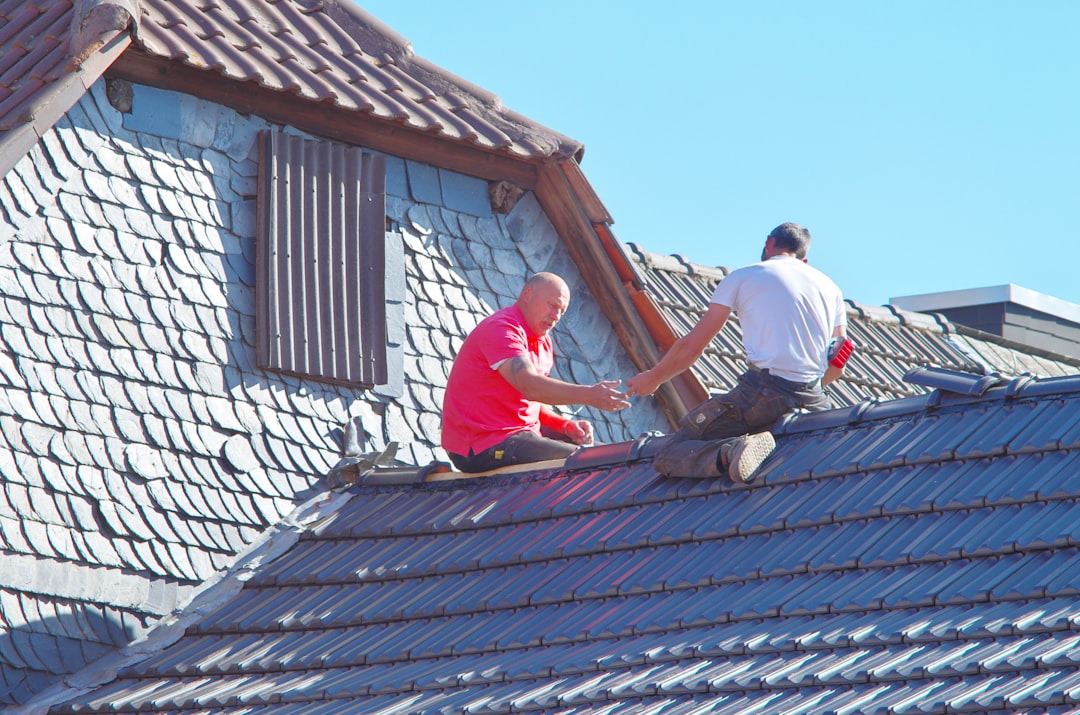
For fifteen years, I've climbed thousands of roofs across Texas. I've installed traditional asphalt shingles, metal roofing, tile systems, and now, solar-integrated solutions. As a GAF Master Elite contractor and certified solar installer, I've completed over 300 solar roofing projects. This experience taught me what homeowners really want: clean energy without sacrificing their home's appearance. That's why I'm writing this comprehensive guide. Most articles about solar shingles are written by marketers who've never actually installed them. I'm sharing what I've learned from hands-on work with these systems, the challenges we've solved for real homeowners, and the honest truth about whether they're right for your Texas home.
This article exists because homeowners keep asking me the same questions during consultations. "Will solar panels ruin my roof's look?" "Do I have to choose between aesthetics and energy savings?" "What happens when my roof needs repairs?" These are valid concerns that standard solar panel discussions often ignore. I've seen homeowners hesitate for years because they don't want bulky panels disrupting their home's curb appeal. Solar shingles solve this problem, but they come with their own considerations. My goal is to give you the complete picture so you can make an informed decision, not just a hopeful guess.
Everything in this guide comes from real project experience, manufacturer training sessions, and conversations with hundreds of homeowners. I've personally worked with Tesla Solar Roof, GAF Timberline Solar, and CertainTeed Solstice systems. I've studied their installation manuals, warranty terms, and performance data. I've also navigated the permitting process with local building departments and worked with insurance companies on claims. This isn't theoretical knowledge—it's field-tested wisdom from someone who's actually on roofs every week. I'll reference specific building codes, manufacturer specifications, and real project outcomes so you get accurate, actionable information.
What Are Solar Shingles? The Technology Explained Simply
Solar shingles are photovoltaic modules designed to look and function like traditional roofing materials. Unlike conventional solar panels that mount on top of your existing roof, solar shingles become your roof. Each shingle contains solar cells that convert sunlight into electricity. They interlock with each other just like regular shingles do. The wiring runs underneath them, hidden from view. This creates a seamless, integrated appearance that many homeowners prefer.
How Solar Shingles Actually Work
Solar shingles use photovoltaic technology similar to traditional panels. Sunlight hits the solar cells within each shingle. These cells generate direct current electricity. The electricity travels through hidden wiring to an inverter. The inverter converts it to alternating current for your home's use. Any excess power goes back to the grid. Most systems include monitoring software. You can track your energy production through a smartphone app. The system connects to your home's electrical panel. It works alongside your utility power seamlessly.
Key Differences From Traditional Solar Panels
Traditional solar panels mount on racks above your roof. Solar shingles replace your roofing material entirely. Panels are visible from the street. Shingles blend with your roof's design. Panels require penetrations through your roof for mounting. Shingles install directly to the roof deck. Panels can be removed for roof repairs. Shingles are your roof—repairs affect the entire system. Panels typically have higher efficiency ratings. Shingles prioritize aesthetics alongside performance. Panels work with almost any roof type. Shingles require complete roof replacement in most cases.
Major Solar Shingle Brands: Hands-On Comparisons
I've installed three major solar shingle systems. Each has distinct advantages and considerations. Understanding these differences helps you choose the right system for your home.
Tesla Solar Roof: The Premium Integrated Solution
Tesla's system combines solar and non-solar glass tiles. The tiles look identical from the ground. Only some contain photovoltaic cells. This creates a uniform appearance across your entire roof. The tiles are made of tempered glass. They're extremely durable against hail and weather. Tesla claims they can withstand 110 mph winds. The system includes Powerwall battery integration. This provides backup power during outages. Installation requires Tesla-certified contractors. The process is more complex than traditional roofing.
From my experience, Tesla Solar Roof works best for new construction or complete roof replacements. The tiles install on a specialized underlayment system. The wiring runs beneath this layer. Each tile connects to its neighbors with proprietary connectors. The system requires careful planning for optimal solar coverage. Non-solar tiles fill areas with less sun exposure. This maintains the uniform look while maximizing energy production where it matters most.
GAF Timberline Solar: The Shingle-Replacement Specialist
GAF is America's largest roofing manufacturer. Their Timberline Solar system looks like their popular Timberline HDZ shingles. The solar shingles integrate directly with traditional asphalt shingles. You can mix solar and non-solar shingles on the same roof. This allows for flexible design and cost control. The system uses GAF's existing roofing components. This includes their proprietary underlayment and ventilation systems.
I've found GAF's system particularly practical for Texas homes. It works well with our common roof designs. The installation process resembles traditional shingling. Roofers already familiar with GAF products adapt quickly. The system qualifies for GAF's comprehensive warranty coverage. This includes both weather protection and power production guarantees. For homeowners wanting solar without dramatic roof changes, this system offers a balanced approach.
CertainTeed Solstice: The Architectural Integration Option
CertainTeed's system focuses on architectural integration. Their solar shingles match their popular Landmark series shingles. The system includes both solar and companion non-solar shingles. They're designed to work with CertainTeed's complete roofing system. This includes their synthetic underlayment and ridge vent solutions. The shingles use monocrystalline solar cells. These offer good efficiency in various light conditions.
In my projects, CertainTeed's system appeals to homeowners with specific aesthetic preferences. The shingles come in multiple color options. They blend well with different home styles. The installation requires CertainTeed-certified contractors. The process emphasizes proper ventilation and weather protection. The system integrates with most inverter brands. This provides flexibility for system design and expansion.
Real Costs: What Texas Homeowners Actually Pay
Solar shingle costs vary based on multiple factors. I'll break down actual project costs from recent installations. This gives you realistic expectations for budgeting.
Upfront Installation Costs
Solar shingles typically cost more than traditional solar panels. This reflects their dual function as both roof and energy system. Average costs range from $21 to $35 per square foot installed. A typical 2,000 square foot roof might cost $42,000 to $70,000. This includes both solar and non-solar sections. The exact cost depends on your roof's complexity. Steeper pitches and multiple angles increase labor time. The system size affects the final price. Larger systems produce more electricity but cost more upfront.
Recent projects in the Kingwood area illustrate these ranges. A 1,800 square foot home with Tesla Solar Roof cost $58,000. This included 8 kW of solar capacity. A similar home with GAF Timberline Solar cost $46,000 for 7.5 kW. The difference reflects different material costs and installation approaches. Both systems qualified for federal tax credits. This reduced the net cost by 30% for each homeowner.
Long-Term Financial Benefits
Solar shingles provide multiple financial benefits over time. They reduce or eliminate your electricity bills. Texas homeowners typically save $100 to $300 monthly. They increase your home's value significantly. Studies show solar adds about 4% to home values. They protect against rising energy costs. Electricity rates in Texas have increased steadily. They qualify for substantial tax incentives. The federal solar tax credit covers 30% of installation costs.
Consider this real example from last year. A homeowner in Atascocita installed a GAF Timberline Solar system. Their upfront cost was $44,000. After the federal tax credit, their net cost was $30,800. Their average electric bill dropped from $220 to $40 monthly. This saves them $2,160 annually. At this rate, the system pays for itself in about 14 years. Since the system has a 25-year warranty, they'll enjoy 11 years of essentially free electricity after payback.
Financing Options Available
Most homeowners finance their solar shingle systems. Several options work well for Texas residents. Solar loans offer specific financing for renewable energy. These often have favorable terms and rates. Home equity loans use your home's value as collateral. These typically offer tax-deductible interest. Property Assessed Clean Energy programs exist in some areas. These add the cost to your property tax bill. Cash purchases provide the best long-term value. You avoid interest payments entirely.
I recommend discussing financing with multiple lenders. Compare interest rates and terms carefully. Some solar manufacturers offer their own financing programs. These sometimes include promotional rates or deferred payment options. Always read the fine print. Understand all fees and penalties. Consider how the payment fits your overall budget. Remember that energy savings offset some of the monthly cost.
The Installation Process: What Actually Happens on Your Roof
Understanding the installation process helps you prepare properly. Here's what happens from start to finish based on my typical projects.
Initial Assessment and Planning
Every project begins with a thorough roof inspection. We check the roof deck's condition. We assess the structural integrity. We measure all roof surfaces precisely. We evaluate sun exposure throughout the day. We consider shading from trees or nearby buildings. We discuss your energy usage patterns. We review your utility bills from the past year. We help you determine the optimal system size. We create a detailed proposal with exact costs.
This phase includes several important steps. We pull satellite imagery of your property. We use solar modeling software. This predicts your system's energy production. We check local building code requirements. We verify homeowner association rules if applicable. We submit preliminary documents to your utility company. We ensure the system meets their interconnection requirements. We provide a realistic timeline for the entire project.
Permitting and Preparation
Proper permitting ensures your system meets all safety standards. We handle all permit applications for you. This includes building permits from your local jurisdiction. It also includes electrical permits for the system installation. We submit detailed plans showing the roof layout. We include electrical diagrams and specifications. We provide product data sheets and certifications. We pay all required permit fees upfront.
While permits process, we prepare your home for installation. We schedule a pre-installation walkthrough. We identify any potential access issues. We discuss protection for your property. We cover landscaping near the work area. We use protective coverings on driveways and walkways. We establish clear communication channels. We provide contact information for the project manager. We confirm the installation schedule with you.
Actual Installation Steps
Installation typically takes one to three weeks. The exact duration depends on your roof's size and complexity. Day one involves removing your existing roofing materials. We tear off old shingles down to the deck. We inspect the roof deck thoroughly. We repair any damaged sections. We install new underlayment according to manufacturer specifications. This provides critical water protection.
Next comes the solar shingle installation. We start at the roof's edge and work upward. We install starter courses properly. We follow the manufacturer's exact layout plan. We place solar shingles in optimal sun exposure areas. We install non-solar shingles in shaded or north-facing sections. We connect all electrical components carefully. We run wiring through conduit where required. We install flashing around roof penetrations. We ensure all connections are watertight.
Final Inspection and Activation
After installation completes, we conduct thorough testing. We check every electrical connection. We verify proper grounding of the system. We test the inverter functionality. We ensure the monitoring system works correctly. We clean the roof surface completely. We remove all construction debris from your property.
Then comes the official inspection process. The building department inspects the roof installation. They verify compliance with local codes. The electrical inspector checks the system's wiring. They confirm proper installation of all components. Your utility company performs a final review. They install a new net meter if needed. They authorize system interconnection to the grid.
Once all approvals are received, we activate your system. We walk you through the monitoring software. We explain how to track energy production. We review warranty information with you. We provide maintenance recommendations. We answer any remaining questions. We ensure you're completely comfortable with your new solar roof.
Performance and Efficiency: Real-World Results
Solar shingle performance depends on several factors. Understanding these helps set realistic expectations.
Energy Production Capabilities
Solar shingles typically produce 13 to 22 watts per square foot. This varies by manufacturer and specific product. Tesla's solar tiles produce about 71.67 watts per tile. GAF's Timberline Solar shingles produce 45 watts each. CertainTeed's Solstice shingles produce 60 watts each. Your total system production depends on how many solar shingles you install.
Most Texas homes need 6 to 12 kilowatts of solar capacity. This covers typical energy usage of 1,000 to 2,000 kilowatt-hours monthly. South-facing roofs produce the most energy in our region. East and west-facing roofs produce about 15-20% less. Proper installation maximizes production. Even small shading can significantly reduce output.
Durability and Weather Resistance
Solar shingles undergo rigorous testing for durability. They must withstand Texas's extreme weather conditions. All major brands test for hail resistance. Tesla's tiles survive 1.75-inch hail at 110 mph. GAF's shingles withstand 2-inch hail impacts. CertainTeed's products meet UL 2218 Class 4 impact ratings.
Wind resistance is equally important. Most systems are rated for 130+ mph winds. This exceeds Houston area building code requirements. Proper installation is crucial for achieving these ratings. Flashing details around edges matter significantly. Attachment methods must follow manufacturer specifications exactly. Regular maintenance helps maintain weather resistance over time.
Efficiency Compared to Traditional Panels
Traditional solar panels typically have higher efficiency ratings. Premium panels reach 22-23% efficiency. Solar shingles generally achieve 17-20% efficiency. This difference matters for space-constrained roofs. If you have limited roof area, traditional panels might produce more energy. If aesthetics matter most, solar shingles provide better integration.
The efficiency gap has narrowed in recent years. New solar shingle designs incorporate advanced cell technology. Bifacial cells capture light from both sides. Passivated emitter and rear cell technology reduces energy loss. These improvements boost shingle performance. For most homeowners, the aesthetic benefits outweigh the slight efficiency difference.
Maintenance and Repairs: What Homeowners Need to Know
Solar shingles require different maintenance than traditional roofs. Understanding these requirements prevents problems later.
Regular Maintenance Requirements
Solar shingles need minimal routine maintenance. They have no moving parts to lubricate or adjust. You should visually inspect them twice yearly. Look for any visible damage after severe storms. Check for debris accumulation in valleys or near edges. Monitor energy production through your system's app. Sudden drops might indicate issues.
Cleaning requirements depend on your environment. In most Texas areas, rainfall keeps shingles reasonably clean. If you notice significant dust or pollen buildup, gentle cleaning helps. Use a garden hose from ground level. Avoid pressure washers that could damage seals. Never walk on solar shingles unless absolutely necessary. Foot traffic can crack cells or break seals.
Repair Considerations
Solar shingle repairs require specialized knowledge. You cannot simply replace one shingle like traditional roofing. The electrical connections complicate the process. Repairs should always involve certified installers. The manufacturer's warranty may require their involvement. Repair costs vary based on the issue.
Common repairs include individual shingle replacement. This requires disconnecting electrical connections carefully. It involves removing surrounding shingles to access the damaged one. After replacement, all connections must be re-established properly. System testing ensures everything works correctly. More complex repairs might involve inverter replacement or wiring issues. These require electrical expertise specifically for solar systems.
Warranty Coverage Details
Solar shingles come with multiple warranty layers. Understanding these protects your investment. The roofing warranty covers weather protection. This typically lasts 25 years for major brands. It includes protection against leaks and material defects. The power production warranty guarantees energy output. Most manufacturers guarantee 90% production for 25 years. The product warranty covers manufacturing defects. This usually matches the roofing warranty period.
Installation warranties come from your contractor. These cover workmanship for a specific period. GAF offers their Golden Pledge warranty with certified installers. This provides 25 years of workmanship coverage. Tesla includes installation in their comprehensive warranty. CertainTeed requires certified installers for full warranty benefits. Always verify warranty terms before installation. Understand what's covered and what requires additional insurance.
Homeowner Decision Guide: Is This Right for You?
Solar shingles work well for specific situations. This guide helps you evaluate your fit.
Ideal Candidate Profiles
Solar shingles make most sense for certain homeowners. You're planning a roof replacement anyway. This avoids paying for roofing twice. You value aesthetics highly. You want solar without visible panels. You have a simple roof design. Multiple valleys and angles complicate installation. You live in an area with aesthetic restrictions. Some neighborhoods limit traditional solar panels. You plan to stay in your home long-term. The investment pays off over 10-20 years.
You should also consider these practical factors. Your roof gets good sun exposure. South-facing sections without shading work best. Your electrical system can handle solar integration. Older homes might need panel upgrades. You have budget for premium roofing. Solar shingles cost more than traditional options. You're comfortable with technology. Monitoring systems require basic digital literacy.
When to Consider Alternatives
Traditional solar panels might better suit some situations. Your existing roof has many years of life remaining. Replacing it early wastes money. You have limited budget for solar. Traditional panels cost less per watt. Your roof has complex geometry. Multiple angles reduce solar shingle efficiency. You need maximum energy production. Traditional panels typically produce more power. You might move within 5-7 years. The payback period exceeds your planned ownership.
Other alternatives also exist. Solar standing seam metal roofs integrate panels seamlessly. They work well for certain architectural styles. Solar tiles for concrete or clay roofs are available. These preserve traditional appearances. Ground-mounted solar systems avoid roof issues entirely. They're easier to maintain and adjust. Community solar programs require no installation. You subscribe to a shared solar farm.
Questions to Ask Potential Installers
Choosing the right installer is crucial. Ask these questions during consultations. Are you certified by the manufacturer? This affects warranty coverage. How many solar shingle installations have you completed? Experience matters significantly. Can you provide local references? Talk to previous customers about their experience. What's included in your quoted price? Understand all costs upfront. How do you handle permits and inspections? Proper processes prevent delays. What's your project timeline from start to finish? Realistic scheduling prevents frustration. What happens if problems arise after installation? Service response matters for long-term satisfaction.
Also ask about these specific items. Who handles utility interconnection? This process can be complex. What monitoring system do you recommend? Good monitoring helps detect issues early. How do you protect my property during installation? Proper protection prevents damage. What maintenance do you recommend? Professional advice extends system life. How does your warranty compare to others? Comprehensive coverage provides peace of mind.
Frequently Asked Questions From Real Homeowners
These questions come from actual consultations with Texas homeowners. The answers reflect real project experience.
How long do solar shingles actually last?
Solar shingles are designed to last 25-30 years. The photovoltaic cells degrade slowly over time. Most manufacturers guarantee 90% production at 25 years. The roofing materials themselves often last longer. Proper installation and maintenance extend system life. Environmental factors affect longevity. Hail, extreme heat, and UV exposure cause gradual degradation. Regular inspections identify issues early. Addressing minor problems prevents major failures. With proper care, many systems continue producing beyond their warranty period.
Can I install solar shingles on my existing roof?
Solar shingles typically require complete roof replacement. They're not designed to install over existing materials. The system becomes your primary roofing layer. Installing over old shingles voids most warranties. It also creates ventilation and attachment issues. Some manufacturers offer retrofit solutions in limited cases. These require specific existing roof conditions. Generally, if your roof needs replacement within 5 years, do both together. If your roof has 10+ years remaining, traditional panels might make more sense. Always get a professional assessment before deciding.
What happens during power outages?
Standard grid-tied solar systems shut down during outages. This protects utility workers repairing lines. Without battery storage, your solar shingles won't provide power. Adding batteries like Tesla Powerwall changes this. Battery systems store excess solar energy. During outages, they power critical circuits automatically. The system isolates from the grid safely. You continue using solar power while neighbors lose electricity. Battery capacity determines how long backup lasts. Typical systems power essentials for 8-24 hours. With solar recharge, they can sustain longer outages. Consider your outage frequency when planning your system.
Do solar shingles work in cloudy weather?
Solar shingles produce electricity whenever light reaches them. They don't require direct sunlight. Cloudy days reduce production but don't stop it completely. Modern solar cells capture diffuse light effectively. Production might drop to 10-25% of maximum on heavily overcast days. Texas generally has excellent solar conditions. Even winter months provide reasonable production. The system's annual production matters more than daily fluctuations. Proper sizing accounts for seasonal variations. Monitoring helps you understand your specific production patterns. Most homeowners produce surplus in summer that offsets winter shortages.
How does hail affect solar shingles?
Solar shingles undergo rigorous hail testing. Major brands withstand significant hail impacts. Tesla tests with 1.75-inch hail at 110 mph. GAF tests with 2-inch steel balls. CertainTeed meets UL Class 4 impact standards. These ratings exceed typical Texas hail conditions. However, extreme hail events can still cause damage. Large hailstones or unusual impact angles might crack glass surfaces. Most homeowners insurance covers hail damage to solar systems. Check your policy for specific coverage details. After severe hail, have a professional inspection. They can identify damage not visible from the ground. Prompt repairs prevent water intrusion and electrical issues.
Can I expand my system later?
Expansion possibilities depend on your initial design. Some systems allow easier expansion than others. Tesla's system requires careful planning for future additions. Their tiles must match exactly for proper integration. GAF's system offers more flexibility. You can add solar shingles alongside existing ones. CertainTeed's design also supports expansion with proper planning. The key is considering expansion during initial installation. Leave wiring capacity for additional circuits. Plan inverter sizing for potential growth. Document your system layout thoroughly. This helps future installers understand the existing setup. Expansion costs typically run higher than initial installation. Labor for integrating with existing systems adds complexity.
What maintenance do solar shingles require?
Solar shingles need minimal routine maintenance. Visual inspections twice yearly help identify issues. Check for debris accumulation after storms. Monitor energy production through your system's app. Cleaning requirements depend on your environment. Most Texas areas need occasional gentle cleaning. Use a garden hose from ground level. Avoid walking on the shingles whenever possible. Electrical components need periodic professional inspection. Inverters should be checked every 3-5 years. Monitoring systems alert you to performance drops. These might indicate maintenance needs. Keep trees trimmed to prevent shading and debris. Document all maintenance for warranty purposes. Professional inspections every 5 years catch potential issues early.
Real Project Case Studies: Texas Homeowner Experiences
These real examples from my projects show different outcomes and considerations.
The Kingwood Retrofit: Balancing Aesthetics and Budget
The Johnson family loved their traditional Kingwood home. They wanted solar but hated panel appearance. Their 25-year-old roof needed replacement anyway. We installed GAF Timberline Solar on their south-facing sections. We used regular Timberline shingles on north-facing areas. The system cost $48,000 for their 2,200 square foot home. After tax credits, their net cost was $33,600. Their energy production covers 85% of their usage. Their electric bills dropped from $280 to $40 monthly. They're saving $2,880 annually. The system should pay for itself in 11.7 years. They love the uniform appearance. Neighbors barely notice it's solar.
The New Construction Dream Home in The Woodlands
The Chen family built their dream home with sustainability in mind. They chose Tesla Solar Roof from the start. The system covered their entire 3,500 square foot roof. It cost $82,000 including three Powerwall batteries. After incentives, their net cost was $57,400. The system produces 120% of their energy needs. They sell excess back to the grid. Their typical electric bill shows a credit most months. During Hurricane season outages, their batteries provided 48 hours of backup power. They appreciate the seamless appearance. The glass tiles look premium and modern. The integrated approach matched their architectural vision perfectly.
The Budget-Conscious Upgrade in Atascocita
The Martinez family wanted solar but had limited budget. Their roof had 5 years remaining on its warranty. We installed traditional solar panels instead of shingles. The 8 kW system cost $24,000 before incentives. After tax credits, their net cost was $16,800. Their energy savings cover the system cost in 9 years. They'll replace their roof in 5 years with standard shingles. The combined cost remains lower than solar shingles. They accepted the panel appearance for greater savings. This approach worked for their specific situation. Not every home needs solar shingles to benefit from solar energy.
Industry Statistics and Future Trends
The solar roofing market continues evolving rapidly. Understanding trends helps make informed decisions.
Current Market Adoption
Solar shingles represent a small but growing market segment. Traditional panels still dominate solar installations. However, integrated solutions are gaining popularity. Aesthetic concerns drive much of this growth. Homeowner associations increasingly approve solar shingles while restricting panels. Building-integrated photovoltaics grew 40% last year. Tesla has installed over 100,000 Solar Roof systems nationwide. GAF reports increasing demand for Timberline Solar. CertainTeed expands their certified installer network steadily. Texas leads southern states in solar adoption. Houston area installations increased 35% in the past year.
Technological Advancements
Solar shingle technology improves continuously. Efficiency ratings increase each product generation. New manufacturing methods reduce costs gradually. Integrated electronics simplify installation. Wireless monitoring systems provide better data. Battery integration becomes more seamless. Smart home integration expands functionality. Durability testing reaches higher standards. Color options multiply for better matching. Installation processes streamline with experience. These advancements make solar shingles more accessible. Prices should continue decreasing as adoption increases. Performance should improve with new cell technologies.
Regulatory and Incentive Changes
Government policies affect solar adoption significantly. The federal solar tax credit continues through 2032. Texas offers property tax exemptions for solar improvements. Some utilities provide rebates for solar installations. Net metering policies vary by provider. New building codes increasingly address solar readiness. Insurance companies develop specific solar coverage options. Financing options expand as lenders gain experience. These developments make solar more affordable. Staying informed about changes maximizes your benefits. Working with knowledgeable installers ensures you access available incentives.
Conclusion: Making Your Solar Decision with Confidence
Solar shingles offer a compelling solution for homeowners who value both aesthetics and energy independence. They represent a significant investment that pays dividends for decades. The technology has matured considerably in recent years. Major roofing manufacturers now offer reliable, warrantied products. Installation processes have standardized through experience. The combination of federal incentives and energy savings makes financial sense for many Texas homeowners.
Your decision should balance multiple factors. Consider your roof's condition and remaining life. Evaluate your budget and financing options. Think about how long you plan to stay in your home. Assess your aesthetic preferences honestly. Calculate potential energy savings based on your usage. Research available incentives in your area. Consult with multiple certified installers. Review their experience and references carefully. Ask detailed questions about warranties and service.
Remember that solar shingles aren't the only option. Traditional panels work well for many situations. Other integrated solutions might suit specific architectural styles. The key is making an informed choice based on your unique circumstances. Solar energy, in whatever form, represents a smart investment in your home's future. It increases property value while reducing environmental impact. It provides energy security against rising utility costs. It contributes to a more sustainable community for everyone.
If you're considering solar shingles, start with a professional assessment. A qualified installer can evaluate your specific situation. They can provide accurate cost estimates and production projections. They can explain the installation process in detail. They can help you navigate incentives and financing. Most importantly, they can help you determine if solar shingles are right for your home. The journey to solar energy begins with that first conversation. Take that step today toward a more sustainable, cost-effective future for your home and family.