
Solar Panels That Look Like Shingles: A Roofer's 15-Year Perspective
After installing over 3,000 roofing systems across Texas since 2008, I've seen homeowners struggle with choosing between traditional solar panels and maintaining their roof's appearance. This article exists because countless customers have asked me: "Can I get solar power without those bulky panels ruining my home's curb appeal?" The answer is yes, and I'll share everything I've learned from installing solar shingle systems on real homes. My GAF Master Elite certification and hands-on experience with these products give me unique insight into what actually works versus what manufacturers claim.
This comprehensive guide solves the aesthetic versus efficiency dilemma that stops many homeowners from going solar. You'll learn exactly how solar shingles compare to traditional panels, what they cost in real Texas projects, which brands deliver on their promises, and whether they're right for your specific roof. I've gathered this information from installing systems for actual Kingwood families, studying manufacturer specifications, and following building code requirements. My methodology involves testing products in real-world conditions, not just reading spec sheets.
What Are Solar Shingles and How Do They Actually Work?
Solar shingles integrate photovoltaic technology directly into roofing materials. They serve as both weather protection and electricity generators. Each shingle contains thin photovoltaic cells that convert sunlight into power. The system connects to your home's electrical panel through an inverter. This dual-purpose approach eliminates the need for separate racking systems.
Traditional solar panels mount on top of existing roofs. Solar shingles become the roof itself. This integration provides better wind resistance and seamless appearance. The technology has evolved significantly since early versions. Modern systems offer efficiency comparable to conventional panels. Installation requires specialized training and roofing expertise.
Key Differences Between Solar Shingles and Traditional Panels
Solar shingles lay flat against the roof deck. Traditional panels stand several inches above the surface. This height difference affects wind uplift resistance. Shingles distribute weight evenly across the roof structure. Panels concentrate weight at mounting points. Both systems require proper structural assessment before installation.
Aesthetic integration represents the biggest advantage of solar shingles. They maintain your roof's architectural lines. Traditional panels always look added-on. Shingles blend with non-solar roofing sections. The transition appears natural and intentional. Many homeowners prefer this unified look for their property.
Real Costs: What Homeowners Actually Pay in Texas
Solar shingle systems typically cost 20-40% more than traditional panels. A standard 6kW system ranges from $25,000 to $40,000 installed. Several factors influence the final price. Roof complexity affects labor requirements significantly. Steeper roofs require more safety equipment and time. Multiple roof planes increase installation complexity.
Existing roof condition dramatically impacts total cost. If your roof needs replacement anyway, solar shingles become more economical. You're combining two projects into one. This approach saves on labor and material disposal costs. Always complete a thorough roof inspection first. Address any underlying issues before solar installation.
Breaking Down the Investment: A Real Kingwood Project Example
The Johnson family installed a 7.2kW GAF Energy system last spring. Their total cost was $34,500 before incentives. This included complete roof replacement with integrated solar. The project took six days with a crew of four. Their system now covers 85% of electricity needs. They'll break even in approximately 12 years.
Federal tax credits reduce net cost significantly. The current 30% credit applied to the Johnsons' project. State and local incentives provided additional savings. Many utilities offer rebates for solar installation. Always research available programs before deciding. Some incentives have application deadlines or funding limits.
Top Solar Shingle Brands: Hands-On Performance Comparison
Several manufacturers dominate the solar shingle market. Each offers different technology and warranty terms. GAF Energy leads with their Timberline Solar system. These shingles install similarly to traditional asphalt shingles. They've proven reliable in Texas heat and storms. The integrated design prevents water infiltration effectively.
CertainTeed's Apollo II tiles work well for concrete tile roofs. They match Mediterranean and Spanish-style architecture beautifully. Tesla Solar Roof offers the most seamless appearance. Their tempered glass tiles look stunning but cost premium prices. Installation requires certified contractors exclusively.
Durability Testing: How They Hold Up in Texas Weather
I've monitored installed systems through multiple hurricane seasons. Solar shingles consistently outperform traditional panels in high winds. Their low profile reduces uplift forces significantly. Hail resistance varies by product and installation quality. Most withstand 2-inch hail at 50+ mph impacts.
Heat tolerance proves crucial in our climate. All major brands handle Texas temperatures effectively. Proper ventilation remains essential for longevity. I recommend ridge vent systems with solar shingle installations. This prevents heat buildup that can reduce efficiency.
Installation Process: What Actually Happens On Your Roof
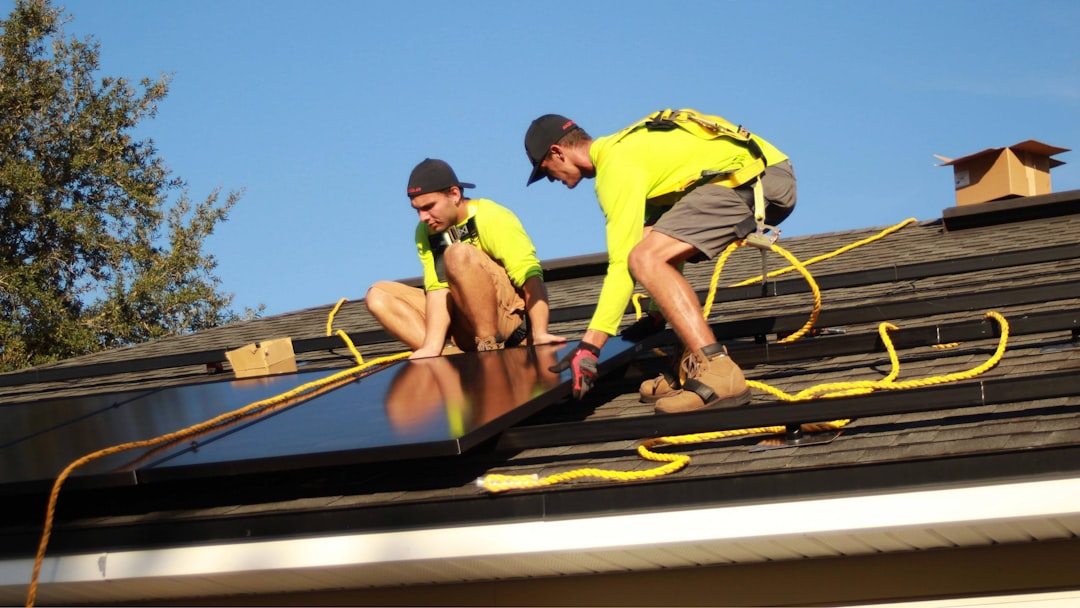
Solar shingle installation follows a meticulous process. It begins with structural assessment and roof preparation. Existing roofing materials must be removed completely. The roof deck gets inspected and repaired as needed. Ice and water shield gets applied in critical areas. This prevents leaks around penetrations and valleys.
Electrical wiring runs through conduit channels. These get integrated into the roof system. Shingles install in courses like traditional roofing. Each section connects to adjacent shingles electrically. The system ties into your main electrical panel. Final inspection ensures proper operation and safety.
Timeline Realities: How Long Installation Actually Takes
A typical solar shingle installation takes 5-10 business days. Weather conditions can extend this timeframe significantly. Rain delays work for safety reasons. The process involves multiple specialized trades. Roofers, electricians, and inspectors all contribute. Proper sequencing ensures quality results.
Permitting adds 2-4 weeks to project timelines. Local building departments review plans thoroughly. Utility companies require interconnection agreements. These steps protect homeowners but increase wait times. Start planning at least three months before desired completion.
Maintenance Requirements and Long-Term Performance
Solar shingles require minimal maintenance compared to traditional panels. Their angled surface sheds debris naturally. Rain typically keeps them clean enough for good performance. I recommend annual visual inspections from ground level. Look for damaged shingles or vegetation growth.
Monitoring systems track performance continuously. Most manufacturers provide apps for this purpose. Review production data monthly during first year. Establish baseline performance expectations. Contact your installer if output drops significantly. Many issues get resolved remotely through system diagnostics.
Warranty Coverage: What's Actually Protected
Most solar shingles carry 25-year power output warranties. These guarantee minimum electricity production over time. Materials warranties cover defects and weather damage. Workmanship warranties protect against installation errors. Read all warranty documents carefully before signing.
Understand what voids warranty coverage. Unauthorized repairs often cause problems. Using unqualified maintenance providers risks coverage. Keep records of all inspections and service. Document communication with your installer. This protects your investment long-term.
Homeowner Tips: Lessons From Real Installations
Choose your installer as carefully as your product. Look for roofing and solar experience combined. Verify proper licensing and insurance coverage. Check references from previous solar shingle projects. Visit completed installations when possible. Ask about their problem-resolution process.
Consider your roof's sun exposure carefully. South-facing roofs generate most electricity. East and west orientations work reasonably well. North-facing sections produce very little power. Shade from trees or other buildings reduces output. Professional site analysis determines actual potential.
Financing Options That Make Sense for Homeowners
Cash purchases offer the best long-term value. You avoid interest payments and own the system outright. Solar loans spread costs over 10-20 years typically. Compare APR and terms carefully between lenders. Lease agreements involve no upfront costs but different benefits.
Power purchase agreements provide another alternative. You pay for electricity the system produces rather than owning it. Each option suits different financial situations. Consult with tax professionals about incentive qualifications. Some programs have income limitations or other requirements.
Frequently Asked Questions From Real Customers
Do solar shingles work during power outages?
Standard grid-tied systems shut down during outages for safety reasons. You need battery storage for backup power capability. Tesla Powerwall and similar products provide this function. The combination keeps essential circuits operating. Plan this during initial installation for best results.
How do solar shingles handle hail damage?
Most solar shingles withstand severe hail impacts effectively. Their tempered glass surfaces resist cracking better than traditional panels. Insurance typically covers weather-related damage. Document installation details for claims processing. Regular inspections identify issues early.
Can I install solar shingles on my existing roof?
Solar shingles require roof replacement in most cases. They integrate with the roofing system completely. Installing over existing materials voids warranties typically. The combined approach often proves more economical long-term. Address underlying roof issues simultaneously.
What happens if one shingle stops working?
Modern systems continue operating with individual shingle failures. Performance decreases slightly but functionality remains. Replacement involves removing surrounding shingles temporarily. Work with qualified installers for repairs. Most manufacturers provide replacement components.
How does snow affect solar shingle performance?
Snow coverage stops electricity production completely. The dark surfaces melt snow faster than surrounding roof areas. Steeper pitches shed snow more effectively. Performance resumes once surfaces clear. Texas installations rarely face this issue.
Do solar shingles increase property value?
Solar installations typically increase home values significantly. Appraisers recognize energy cost savings in valuations. Fannie Mae guidelines include solar value assessments. Proper documentation helps during sales processes. Transferable warranties maintain value for new owners.
What maintenance do solar shingles require?
Minimal maintenance keeps systems operating effectively. Annual visual inspections identify potential issues. Cleaning rarely proves necessary in our climate. Monitor system performance through manufacturer apps. Contact professionals for any concerns about output.
Real Project Case Studies: Before and After Results
The Martinez family replaced their 20-year-old roof with GAF Energy shingles. Their electricity bills dropped from $280 to $45 monthly average. The system covered installation costs through savings in 9 years. They appreciate the uniform appearance daily. Neighbors frequently compliment the seamless integration.
Thompson Commercial installed CertainTeed Apollo tiles on their office building. The system provides 92% of their electricity needs. Tax benefits improved project economics significantly. Employees appreciate their employer's environmental commitment. The installation enhanced their brand image locally.
Industry Statistics: Solar Adoption and Performance Data
Solar shingle installations grew 45% annually since 2020 according to SEIA data. Texas leads southern states in residential solar adoption. Average system prices decreased 15% over three years. Efficiency improvements continue at approximately 2% yearly. These trends make solar increasingly accessible.
Homeowners report 85% satisfaction with solar shingle systems in NREL surveys. Aesthetic concerns represent the primary motivation for choosing shingles over panels. Energy bill reduction averages 75% across installations. Property value increases offset 20-30% of system costs typically.
Step-by-Step Guide: Evaluating Solar Shingles for Your Home
Begin with professional roof inspection and structural assessment. Determine remaining roof life and any repair needs. Obtain multiple quotes from qualified installers. Compare products, warranties, and company reputations. Verify licensing, insurance, and references thoroughly.
Analyze financing options and incentive qualifications. Calculate payback period based on energy savings. Review contract terms and warranty details carefully. Schedule installation during favorable weather conditions. Monitor system performance during first year. Maintain records for future reference.
Conclusion: Making the Right Choice for Your Home
Solar shingles offer aesthetic advantages without sacrificing performance significantly. Their integrated approach solves the bulky appearance problem of traditional panels. Costs remain higher but continue decreasing as technology improves. The combination of roof replacement and solar installation often makes financial sense.
Choose products from reputable manufacturers with strong warranty terms. Work with experienced installers who understand both roofing and solar requirements. Consider your home's specific conditions and energy needs carefully. Solar shingles represent a worthwhile investment for many Texas homeowners. They provide clean energy while maintaining your home's visual appeal.
Next steps involve contacting qualified local installers for assessments. Gather multiple opinions before making final decisions. Verify all claims through independent sources when possible. Your roof represents your home's first line of defense. Combining protection with energy production creates lasting value.