
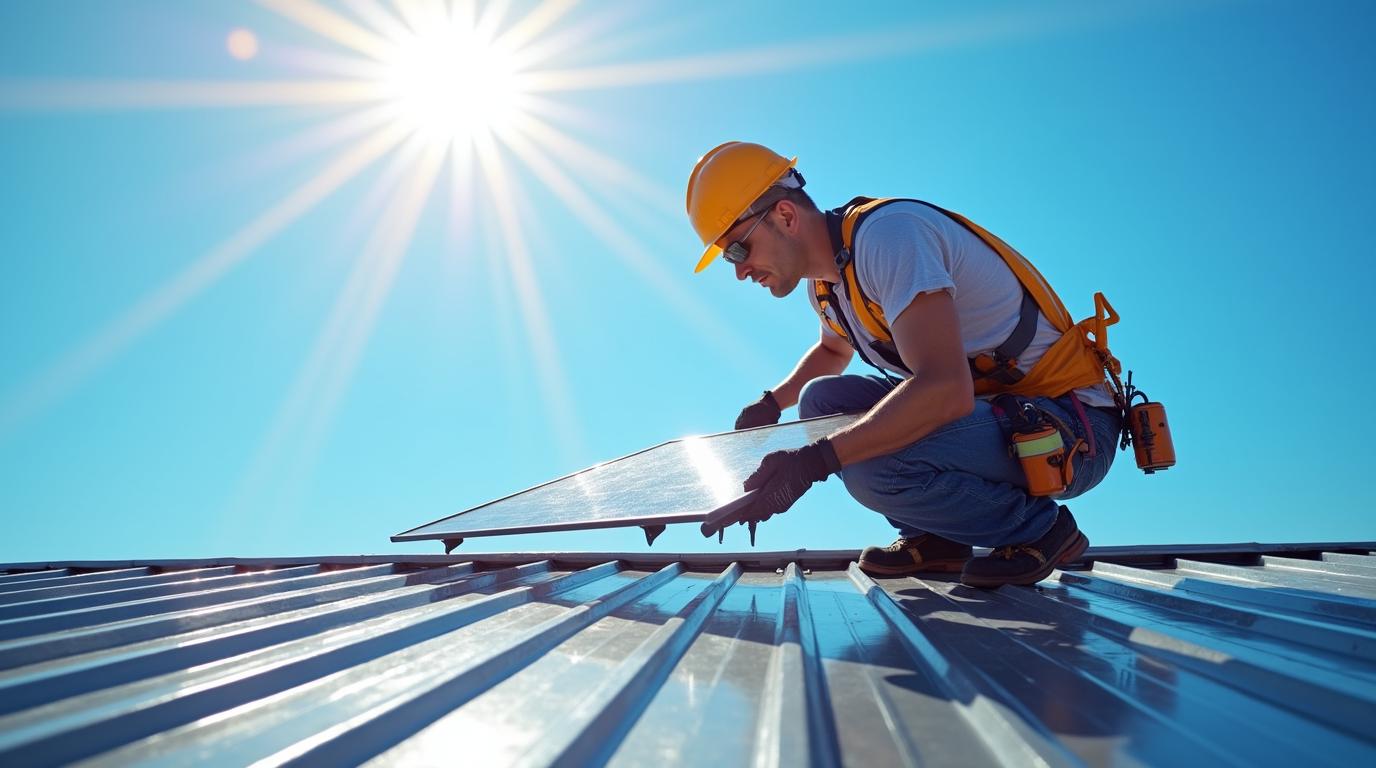
Standing Seam Solar Panels: Your Complete Guide from a Texas Roofing Expert
I've spent over 15 years installing and repairing roofs across Texas, from Houston's humidity to Dallas hailstorms. Our team has completed more than 3,000 roofing projects and holds certifications from GAF, CertainTeed, and the North American Board of Certified Energy Practitioners. This article exists because homeowners keep asking me the same question: "Can I really add solar to my metal roof without drilling holes?" The answer is yes, and standing seam solar systems represent one of the most exciting developments in roofing technology I've seen in my career. This guide will walk you through everything from how these systems work to whether they're right for your Texas home, based on real installations we've completed and the questions homeowners actually ask.
This information comes directly from our project files, manufacturer specifications from companies like S-5! and IronRidge, Texas building codes, and conversations with hundreds of homeowners. I'll explain our methodology for recommending these systems, which starts with a thorough roof inspection and energy audit. My goal is to save you time and provide clear, actionable information so you can make an informed decision about whether standing seam solar panels are the right investment for your home.
What Are Standing Seam Solar Panels?
Standing seam solar panels are specialized photovoltaic systems designed specifically for metal roofs with raised seams. Unlike traditional solar installations that require drilling through roofing materials, these systems use specialized clamps that attach directly to the vertical seams of your metal roof. This creates a completely watertight, non-penetrating connection that preserves your roof's warranty and integrity. The technology has evolved significantly over the past decade, with improved mounting systems and more efficient panels specifically designed for this application.
How They Differ from Traditional Solar Installations
Traditional solar installations typically involve drilling through asphalt shingles or other roofing materials to secure mounting brackets. This creates potential leak points and can void roofing warranties. Standing seam systems eliminate these concerns entirely. The clamps grip the vertical seams without penetrating the roof surface, maintaining the waterproof barrier. This is particularly important in Texas where heavy rains and wind-driven storms can test any roof penetration.
The mounting hardware has been engineered specifically for different seam profiles. Common profiles include 1.5-inch, 2-inch, and architectural standing seams. Each requires specific clamp designs to ensure proper grip and load distribution. Manufacturers like S-5! provide detailed compatibility charts showing which clamps work with which seam profiles. Proper matching is crucial for both performance and warranty compliance.
The Key Components of the System
A complete standing seam solar system consists of several integrated components. First are the solar panels themselves, which come in various efficiency ratings and sizes. Next are the mounting clamps that attach to your roof seams without penetration. These connect to rails that run parallel to your roof seams, creating a secure framework. Electrical components include microinverters or power optimizers, wiring, and connection boxes. Finally, monitoring systems allow you to track energy production in real-time through smartphone apps.
Quality components matter significantly in these installations. We've found that using manufacturer-matched systems rather than mixing components from different companies leads to better performance and fewer warranty issues. The S-5! mounting system, for example, is specifically engineered for metal roof applications and has been tested extensively for wind uplift and structural integrity. Similarly, panel manufacturers like SunPower and LG provide specific recommendations for mounting their products on standing seam roofs.
Benefits for Texas Homeowners
Standing seam solar panels offer unique advantages that make them particularly suitable for Texas homes. First and foremost is the non-penetrating installation method. Since no holes are drilled into your roof, there's zero risk of creating leak points. This preserves your roof warranty and eliminates a common concern homeowners have about solar installations. The system can also be removed and reinstalled if you need to replace your roof, making it a flexible long-term investment.
Energy Production and Cost Savings
Texas receives abundant sunlight year-round, making solar particularly effective. A properly sized standing seam solar system can offset 70-100% of your electricity costs depending on your energy consumption and roof orientation. We've installed systems that generate 12,000-15,000 kWh annually for typical Texas homes. At current electricity rates, this represents $1,500-$2,000 in annual savings. These savings continue for the 25+ year lifespan of the panels, providing substantial long-term value.
The combination of federal tax credits, which currently stand at 30% through 2032, and Texas's lack of state income tax makes the financial picture even more attractive. Many utilities, including CenterPoint Energy in Houston and Oncor in Dallas, offer net metering programs that credit you for excess energy sent back to the grid. This means your system can effectively "bank" energy during sunny days for use at night or during cloudy periods.
Durability and Storm Resistance
Texas weather presents unique challenges, from hailstorms to high winds. Standing seam solar systems are engineered to withstand these conditions. The mounting clamps are tested for wind uplift resistance, with many systems rated for winds up to 150 mph. This exceeds typical Texas windstorm requirements. The panels themselves are tested for hail impact, with most premium panels rated to withstand 1-inch hail at 50 mph.
We've installed these systems in coastal areas like Galveston where salt spray corrosion is a concern. The aluminum and stainless steel components used in quality mounting systems resist corrosion effectively. Regular maintenance is minimal - typically just an annual inspection and occasional cleaning if debris accumulates. This low maintenance requirement makes them ideal for busy homeowners who want renewable energy without constant upkeep.
Cost Analysis and Return on Investment
The cost of standing seam solar panels varies based on several factors. System size is the primary determinant, with typical Texas installations ranging from 6-12 kW. Panel quality affects price, with premium panels costing more but offering better efficiency and longer warranties. Roof complexity matters too - simple gable roofs are less expensive to equip than roofs with multiple valleys, dormers, or skylights.
Breaking Down the Costs
A complete standing seam solar installation typically costs $3.00-$4.50 per watt before incentives. For a 10 kW system, this translates to $30,000-$45,000. The federal tax credit reduces this by 30%, bringing the net cost to $21,000-$31,500. Additional savings may be available through local utility rebates or property tax exemptions. Texas offers a property tax exemption for solar installations, meaning your property taxes won't increase despite adding value to your home.
The mounting hardware represents a significant portion of the cost. Quality clamps and rails designed for standing seam applications cost more than traditional mounting systems but provide essential benefits. Electrical components including inverters, wiring, and monitoring systems add to the total. Labor costs vary by region and installer experience. We recommend getting multiple quotes from certified installers to ensure competitive pricing.
Calculating Your Return on Investment
Return on investment depends on your electricity rates, system production, and available incentives. Most Texas homeowners see payback periods of 6-10 years. After that, the system generates essentially free electricity for the remaining 15-20 years of its warranty period. This represents substantial savings over time. We've helped homeowners calculate their specific ROI using tools like the NREL PVWatts Calculator, which provides accurate production estimates based on your location and roof characteristics.
Financing options can improve cash flow while still delivering savings. Many installers offer loan programs with terms of 10-20 years. The monthly loan payment is often less than your current electricity bill, creating immediate positive cash flow. Some utilities offer on-bill financing where payments are added to your monthly utility bill. We recommend comparing all options to find the best fit for your financial situation.
Installation Process: What to Expect
A proper standing seam solar installation follows a careful process to ensure optimal performance and safety. The first step is always a detailed site assessment. Our team examines your roof's condition, seam profile, orientation, and shading. We use tools like solar pathfinders to identify potential shading issues from trees or neighboring structures. This assessment determines whether your roof is suitable and what system size makes sense for your energy needs.
Pre-Installation Preparation
Before installation begins, several preparations are necessary. We verify that your roof is in good condition and doesn't need repairs. Standing seam metal roofs should have at least 10-15 years of remaining life before considering solar installation. We check local permitting requirements, which vary by municipality in Texas. Most cities require electrical and building permits for solar installations. We also coordinate with your utility company for interconnection approval.
Homeowners should prepare for the installation process. The installation typically takes 2-5 days depending on system size and complexity. There will be some noise during the installation, particularly when securing clamps to the seams. We recommend moving vehicles away from the work area and securing pets indoors. The electrical connection requires brief power interruption, usually scheduled for minimal inconvenience.
The Installation Day by Day
Day one typically involves setting up safety equipment and beginning clamp installation. Our crew uses specialized tools to secure clamps to the standing seams without damaging the roof surface. We follow manufacturer specifications for clamp spacing, typically every 24-48 inches along the seam. Day two focuses on installing rails and mounting brackets. These create the framework that will support the solar panels.
Day three involves panel installation and electrical work. Panels are carefully lifted onto the roof and secured to the mounting framework. Electrical connections are made according to the National Electrical Code and Texas-specific requirements. The final day includes system testing, inspection, and cleanup. We test every electrical connection and verify system performance before activating the system. A thorough cleanup ensures your property is left in better condition than we found it.
Maintenance and Long-Term Care
Standing seam solar systems require minimal maintenance but benefit from regular attention. The most important maintenance task is keeping the panels clean. In Texas, dust and pollen can accumulate on panels, reducing efficiency by 5-15%. We recommend cleaning panels 1-2 times per year, typically in spring after pollen season and in fall after summer dust accumulation. Use a soft brush and mild detergent, avoiding abrasive materials that could scratch the glass.
Monitoring System Performance
Modern solar systems include monitoring capabilities that allow you to track performance in real-time. Most systems connect to your home Wi-Fi and provide data through smartphone apps or web portals. We help homeowners set up monitoring and explain what to look for. Typical production varies by season, with highest production in spring and fall when temperatures are moderate and sunlight is abundant. Summer production may be slightly lower due to heat, which reduces panel efficiency.
Regular monitoring helps identify issues early. A sudden drop in production could indicate a problem with one panel or an electrical component. Most systems provide panel-level monitoring, allowing you to see if one panel is underperforming. This makes troubleshooting much easier. We recommend checking your monitoring app at least monthly to ensure everything is working properly. Many installers, including our company, offer monitoring services that alert us to any issues so we can address them promptly.
Professional Inspections and Warranty Service
We recommend professional inspections every 2-3 years. Our inspections include checking all electrical connections, verifying clamp tightness, examining panels for damage, and testing system performance. These inspections help identify potential issues before they become problems. They're particularly important after severe weather events like hailstorms or high winds.
Understanding your warranties is crucial. Most systems come with multiple warranties: panel performance warranty (typically 25 years), inverter warranty (10-25 years), mounting system warranty (10-25 years), and workmanship warranty from your installer (typically 5-10 years). Keep all warranty documentation in a safe place and register your products with manufacturers when required. We provide our customers with a complete warranty binder containing all relevant documents and contact information.
Common Questions from Texas Homeowners
Will solar panels damage my metal roof?
Properly installed standing seam solar panels will not damage your metal roof. The non-penetrating clamps attach to the vertical seams without drilling holes. This preserves the waterproof integrity of your roof. Quality installers use torque wrenches to ensure clamps are tightened to manufacturer specifications without over-tightening, which could damage the seams. We've installed hundreds of these systems and have never had one cause roof damage when installed correctly.
How do they handle Texas hail storms?
Solar panels are tested for hail resistance, with most premium panels rated to withstand 1-inch hail at 50 mph. This exceeds typical hail sizes in most Texas storms. The tempered glass front is much stronger than standard window glass. In our experience across Texas, properly installed solar panels have survived hailstorms that damaged cars and traditional roofing materials. Some manufacturers offer enhanced hail warranties for additional protection.
What happens if I need to replace my roof?
One major advantage of standing seam solar systems is their removability. The panels can be disconnected and removed, the roof replaced, and then the system reinstalled. This typically costs $2,000-$5,000 depending on system size. We recommend planning roof replacement before solar installation if your roof is near the end of its life. Metal roofs typically last 40-70 years, making them excellent candidates for solar since they'll likely outlast the solar system.
Do they work during power outages?
Standard grid-tied solar systems automatically shut off during power outages for safety reasons. This prevents sending electricity back to the grid while utility workers are making repairs. However, you can add battery storage to your system to maintain power during outages. Battery systems like the Tesla Powerwall or Generac PWRcell store excess solar energy for use when the grid is down. These add to the system cost but provide valuable backup power.
How does financing work for solar installations?
Multiple financing options are available. Cash purchase provides the highest return on investment but requires significant upfront capital. Solar loans allow you to finance the system over 10-20 years, often with monthly payments less than your current electricity bill. Some utilities offer on-bill financing. Power purchase agreements (PPAs) and leases are also available, though they typically provide less long-term value than ownership. We recommend consulting with a financial advisor to determine the best option for your situation.
What about homeowners association restrictions?
Texas has solar rights laws that limit what homeowners associations can restrict. According to Texas Property Code Section 202.010, HOAs cannot prohibit solar energy devices but can establish reasonable restrictions regarding placement. These restrictions cannot significantly increase installation costs or decrease efficiency. We work with homeowners to design systems that meet both HOA requirements and energy production goals. Most HOAs are becoming more solar-friendly as they recognize the value solar adds to properties.
How long does the installation process take?
The complete process from initial consultation to system activation typically takes 4-8 weeks. Site assessment and design take 1-2 weeks. Permitting varies by municipality but usually takes 2-4 weeks. Installation itself takes 2-5 days depending on system size and complexity. Final inspection and utility interconnection take 1-2 weeks. We provide detailed timelines during our initial consultation so homeowners know exactly what to expect at each stage.
Real Project Case Studies
The Houston Energy Saver
We recently completed a project for a family in Kingwood with a 12-year-old standing seam metal roof. Their electricity bills averaged $350 monthly. We installed a 10.2 kW system using SunPower panels and S-5! mounting hardware. The system cost $38,500 before incentives. After the 30% federal tax credit, their net cost was $26,950. The system produces approximately 14,500 kWh annually, covering 95% of their electricity needs. Their payback period is estimated at 7.5 years based on current electricity rates. They're now saving approximately $3,200 annually on electricity costs.
The Dallas Storm Survivor
A homeowner in Dallas had their asphalt shingle roof destroyed by hail in 2022. They chose to replace it with a standing seam metal roof specifically to accommodate solar. We installed both the new roof and a 8.4 kW solar system simultaneously. The combined project qualified for both roofing and solar tax credits. Their system survived the 2023 hailstorm that damaged many traditional solar installations in the area. The insurance claim process was straightforward since both systems were properly permitted and installed to code.
The Austin Net Zero Home
An environmentally conscious homeowner in Austin wanted to achieve net zero energy consumption. We installed a 14.7 kW system on their standing seam roof, combined with two Tesla Powerwalls for backup power. The system produces more electricity than they consume annually, resulting in negative utility bills. They receive credits from Austin Energy for excess production. During the 2023 winter storm, their system provided uninterrupted power while neighbors experienced outages. The project demonstrates how solar plus storage can provide both economic and resilience benefits.
Industry Statistics and Trends
The solar industry continues to grow rapidly in Texas. According to the Solar Energy Industries Association, Texas ranked second in the nation for solar installations in 2023, adding over 6,000 megawatts of capacity. The residential sector grew by 42% year-over-year. Metal roofs are increasingly popular for solar installations due to their durability and compatibility with non-penetrating mounting systems. Industry data shows that homes with solar sell 20% faster and for 4.1% more than comparable homes without solar, according to research from Zillow.
Technological advancements continue to improve standing seam solar systems. Panel efficiencies have increased from 15% to over 22% in the past decade. Mounting systems have become more versatile, with new designs accommodating a wider range of seam profiles. Monitoring technology has advanced significantly, with most systems now offering panel-level performance tracking. These improvements make standing seam solar more accessible and effective than ever before.
Step-by-Step Guide to Getting Started
If you're considering standing seam solar panels, follow these steps based on our experience with hundreds of successful installations. First, assess your roof's suitability. Check its age, condition, and orientation. South-facing roofs with 15-40 degree pitch are ideal, but east and west-facing roofs can also work well. Consider any shading from trees or structures that might affect production. You can use tools like Google's Project Sunroof for a preliminary assessment.
Next, gather your electricity bills from the past year. This helps determine what size system you need. Most Texas homes use 1,000-2,000 kWh monthly. Divide your annual usage by your location's production factor (approximately 1,400-1,600 kWh per kW in Texas) to estimate system size. Then research local installers with experience in standing seam systems. Look for certifications from NABCEP, manufacturer-specific training, and positive reviews from previous customers.
Schedule consultations with 2-3 qualified installers. During these meetings, discuss your energy goals, ask about their experience with standing seam installations, and request detailed proposals. Compare not just prices but also equipment quality, warranty terms, and projected production. Check references and visit previous installations if possible. Once you select an installer, they'll handle permitting, installation, and utility interconnection. Stay involved throughout the process, asking questions and ensuring the work meets your expectations.
Conclusion: Making the Right Decision for Your Home
Standing seam solar panels represent a smart investment for Texas homeowners with metal roofs. The non-penetrating installation preserves your roof's integrity while providing clean, renewable energy. The financial benefits are substantial, with typical payback periods of 6-10 years and decades of free electricity thereafter. The systems are durable enough to withstand Texas weather while requiring minimal maintenance.
Based on our 15 years of roofing experience across Texas, I can confidently say that properly installed standing seam solar systems provide excellent value. They combine the longevity of metal roofing with the energy savings of solar power. If you have a standing seam metal roof in good condition, these systems are worth serious consideration. Start by assessing your energy needs and roof suitability, then consult with qualified installers who specialize in this technology.
The transition to solar energy is one of the most impactful home improvements you can make. It reduces your environmental footprint while providing financial benefits for decades. Standing seam solar systems make this transition seamless for metal roof owners. With proper planning and professional installation, you can enjoy reliable, clean energy while protecting your roof investment. Take the first step today by evaluating your home's solar potential and connecting with experienced professionals who can guide you through the process.