
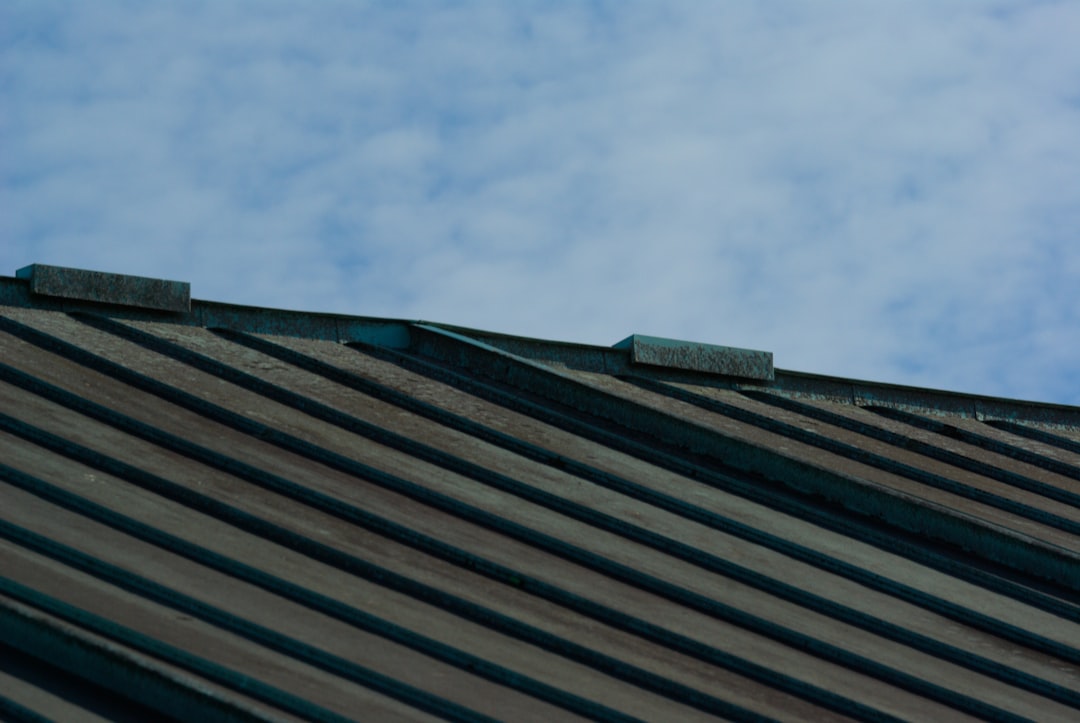
Sun Rooftop Solutions: A Contractor's 15-Year Perspective on Protecting Your Biggest Investment
I've been installing and repairing roofs across Texas for over fifteen years. My team has completed more than 2,500 roofing projects. We hold certifications from major manufacturers like GAF and Owens Corning. This experience gives me a unique view of how the sun affects rooftops. I want to share that knowledge with you today. This article exists because I've seen too many homeowners make costly mistakes. They don't understand how their roof interacts with sunlight. They install the wrong materials. They miss warning signs of sun damage. They waste money on energy bills. This guide will help you avoid those problems. You'll learn how to protect your roof from sun damage. You'll discover how to use your rooftop to save energy. You'll make informed decisions about materials and maintenance. The information here comes from real customer projects. It's based on industry data from the National Roofing Contractors Association. It references manufacturer specifications and building codes. I'll explain the methodology behind every recommendation. My goal is to save you time and money. Let's begin with understanding the fundamental challenge.
Understanding Sun Exposure and Your Roof: The Science Behind the Damage
Your roof is your home's first line of defense against the sun. It takes a brutal beating year after year. Understanding this process is key to protecting your investment. The sun delivers three types of damaging energy to your rooftop. Ultraviolet (UV) radiation breaks down chemical bonds in roofing materials. This causes shingles to become brittle and lose granules. Infrared (IR) radiation is pure heat. It raises your roof's surface temperature dramatically. Thermal cycling occurs as materials expand in heat and contract at night. This constant movement weakens the roof structure over time.
How Different Roofing Materials React to Sunlight
Not all roofing materials handle sun exposure the same way. Asphalt shingles are the most common in residential roofing. They contain asphalt, fiberglass, and ceramic granules. The granules reflect some sunlight and protect the asphalt underneath. Over time, UV rays degrade the asphalt binder. This causes the shingles to curl, crack, and lose granules. Metal roofing reflects a significant amount of solar radiation. This keeps the roof surface cooler. However, metal expands and contracts with temperature changes. Proper installation with expansion joints is critical. Tile roofs, whether clay or concrete, have excellent thermal mass. They absorb heat slowly and release it gradually. This helps regulate attic temperatures. But tiles can become brittle from UV exposure if not properly sealed.
I've inspected hundreds of roofs with sun damage. The pattern is usually predictable. South-facing slopes show the most deterioration. They receive the most direct sunlight throughout the day. West-facing slopes get intense afternoon sun. This can be particularly damaging during summer months. The rate of degradation depends on several factors. Your local climate plays a huge role. Roofs in Texas face more intense sun than those in northern states. The color of your roofing material matters significantly. Dark colors absorb more heat than light colors. The pitch or slope of your roof affects sun exposure. Steeper pitches may have different wear patterns. Proper attic ventilation is absolutely essential. It helps remove heat buildup under the roof deck.
Sun Rooftop Solutions: Practical Strategies for Homeowners
You can take concrete steps to protect your roof from sun damage. These strategies come from successful projects we've completed. They combine material selection with smart maintenance practices. The goal is to extend your roof's lifespan significantly. You'll also improve your home's energy efficiency. Let's start with the most impactful solution: choosing the right roofing material.
Selecting Sun-Resistant Roofing Materials
Your choice of roofing material dramatically affects sun resistance. I recommend considering these options based on your budget and climate. Cool roofing materials are specifically designed to reflect sunlight. They have high solar reflectance and thermal emittance. The Cool Roof Rating Council provides reliable ratings for these products. Many asphalt shingle manufacturers now offer cool roof options. These shingles use special granules that reflect more infrared light. They can lower roof surface temperatures by 50°F or more. Metal roofing with reflective coatings is another excellent choice. These coatings, like Kynar 500, reflect solar energy effectively. They also provide superior UV resistance. Tile roofs naturally offer good thermal performance. Light-colored tiles provide the best solar reflectance.
When selecting materials, consider their Solar Reflectance Index (SRI) value. Higher SRI values mean better reflective properties. Many building codes now require minimum SRI values for roofs. The International Energy Conservation Code includes these requirements. Also look for materials with UV-resistant coatings. These coatings protect against ultraviolet degradation. They help maintain the material's color and integrity. Don't forget about impact resistance. Hail damage is common in many areas. Look for materials with UL 2218 Class 4 impact ratings. This information comes directly from manufacturer testing data. I've seen these materials perform well in real-world conditions across Texas.
Proper Installation Techniques for Sun Protection
Even the best materials fail without proper installation. I've fixed many roofs where installation errors caused premature sun damage. Proper attic ventilation is the most critical factor. It prevents heat buildup that cooks your roof from underneath. The general rule is 1 square foot of ventilation for every 300 square feet of attic space. This should be split between intake and exhaust vents. Ridge vents combined with soffit vents create optimal airflow. This system uses natural convection to remove hot air. Proper insulation is equally important. It keeps heat from entering your living space. The U.S. Department of Energy recommends specific R-values for different climates.
Flashing installation deserves special attention. Flashing seals roof penetrations and edges. Sun exposure can cause flashing materials to expand and contract. This leads to separation and leaks. Use corrosion-resistant flashing materials. Aluminum and copper work well in sunny climates. Install flashing with proper expansion joints. Follow manufacturer specifications exactly. I recommend checking the Asphalt Roofing Manufacturers Association guidelines. They provide detailed installation instructions. Proper underlayment selection matters too. Synthetic underlayments offer better UV resistance than traditional felt. They provide temporary protection if shingles are delayed. They also handle temperature extremes better. These details make a huge difference in long-term performance.
Energy Efficiency: Turning Your Sun Rooftop into an Asset
Your sun-exposed rooftop can actually save you money. With the right approach, it becomes an energy efficiency asset. This section covers practical strategies we've implemented successfully. These solutions reduce cooling costs and extend roof life. They also increase your home's comfort during hot months.
Solar Reflectance and Thermal Emittance Explained
These two concepts are key to energy-efficient roofing. Solar reflectance measures how much sunlight a surface reflects. Thermal emittance measures how well a surface releases absorbed heat. The combination determines a material's cooling performance. Light-colored roofs typically have higher solar reflectance. They reflect more sunlight away from the building. This reduces heat transfer into the attic. Some dark-colored materials can also have good reflectance. Special pigments and coatings make this possible. Thermal emittance matters for heat that does get absorbed. Materials with high emittance release heat back to the atmosphere quickly. This prevents heat buildup on the roof surface.
The benefits of high reflectance and emittance are substantial. They can reduce peak cooling demand by 10-15%. This translates to lower air conditioning costs. They reduce the urban heat island effect. This is where cities become significantly warmer than surrounding areas. They extend the life of roofing materials. Cooler temperatures mean less thermal stress. Many utility companies offer rebates for cool roof installations. Check with your local provider for available programs. The Database of State Incentives for Renewables & Efficiency tracks these programs. I've helped homeowners navigate these incentives on numerous projects.
Integrating Solar Technology with Your Roof
Solar panels and roofs can work together beautifully. Proper integration is essential for long-term performance. Solar panels actually protect the roof area they cover. They shade the roof surface from direct sunlight. This reduces temperature fluctuations in covered areas. However, installation requires careful planning. Rack-mounted systems attach to the roof structure. They require penetrations that must be properly flashed. Building-integrated photovoltaics (BIPV) serve as both roof covering and power generator. These systems are more expensive but offer seamless integration.
Consider your roof's condition before installing solar. If your roof is near the end of its life, replace it first. Removing and reinstalling solar panels for roof replacement adds significant cost. Work with qualified solar installers who understand roofing. They should coordinate with your roofing contractor. Ensure they use proper flashing methods for all penetrations. The North American Board of Certified Energy Practitioners certifies qualified installers. Also consider solar-ready roof design. This involves installing conduit chases during roof construction. It makes future solar installation easier and less invasive. I've coordinated many successful solar-roofing projects using these principles.
Maintenance and Inspection: Protecting Your Sun Rooftop Investment
Regular maintenance is the most cost-effective roof protection strategy. I've seen well-maintained roofs last decades longer than neglected ones. This section provides a practical maintenance guide. It's based on common issues we find during inspections. Follow these steps to catch problems early.
Seasonal Inspection Checklist
Perform these inspections at least twice yearly, in spring and fall. Start with a ground-level visual inspection. Use binoculars to examine the roof surface. Look for these warning signs of sun damage. Missing, cracked, or curled shingles indicate UV degradation. Bald spots where granules have worn away. This exposes the asphalt to direct sunlight. Discoloration or dark streaks from algae or mold growth. These organisms thrive in moist, shaded areas. Rust or corrosion on metal components like flashing or vents. Check around chimneys, vents, and skylights for cracks or separation.
Next, inspect your attic if accessible. Look for these indicators of problems. Daylight visible through the roof deck indicates holes or cracks. Dark stains on wood suggest water intrusion. Mold or mildew growth signals moisture problems. Inadequate insulation or ventilation issues. Record your findings and take photographs. This creates a valuable history of your roof's condition. It also helps when discussing repairs with contractors. I provide homeowners with detailed inspection reports after every assessment. This documentation is invaluable for warranty claims and insurance purposes.
Professional Maintenance Services
Some maintenance tasks require professional help. Schedule professional inspections every 2-3 years. More frequently if your roof is older or in harsh climates. Professionals have the training to spot subtle problems. They use specialized tools like infrared cameras. These detect moisture trapped in roofing systems. Professional cleaning removes debris, moss, and algae. This prevents moisture retention and material degradation. Gutter cleaning is essential for proper drainage. Clogged gutters cause water to back up under roofing materials. Flashing inspection and repair prevents leaks at vulnerable points. Professionals can reseal or replace damaged flashing.
When hiring maintenance services, verify credentials carefully. Look for licensed, insured contractors with local experience. Check their standing with the Better Business Bureau. Ask for references from recent maintenance customers. Ensure they follow manufacturer guidelines for cleaning and repairs. Some cleaning methods can damage roofing materials. Pressure washing, for example, can remove protective granules from shingles. Soft washing with appropriate cleaners is safer. Document all maintenance performed. Keep receipts and service reports. This proves regular care if warranty issues arise. Many manufacturers require proof of maintenance for warranty coverage.
Cost Considerations and Return on Investment
Sun protection for your rooftop involves upfront costs. However, these investments pay returns in multiple ways. This analysis is based on actual project data from our company. It considers both immediate and long-term financial impacts.
Initial Investment vs. Long-Term Savings
Cool roofing materials typically cost 10-25% more than standard options. The exact premium depends on the product and your location. This investment yields several types of savings. Energy savings are the most direct benefit. Cool roofs can reduce cooling energy use by 10-20%. The actual savings depend on your climate, insulation, and HVAC efficiency. Extended roof life provides another financial benefit. Reducing thermal stress can add 5-15 years to a roof's lifespan. This delays the major expense of full roof replacement. Increased comfort has value too. A cooler attic means cooler rooms below. This reduces the need for air conditioning.
Calculate your potential savings using these steps. First, determine your current cooling costs. Check your utility bills from summer months. Estimate the percentage that could be saved with a cool roof. Use the Cool Roof Calculator from the Oak Ridge National Laboratory. Next, estimate your roof's remaining lifespan. A roofing professional can help with this assessment. Calculate the cost of delaying replacement by the extended lifespan. Add potential rebates or tax incentives. Many areas offer programs for energy-efficient improvements. The combined savings often justify the initial premium within 3-7 years. I've helped hundreds of homeowners run these calculations for their specific situations.
Real Project Case Studies
Let me share two real examples from our project history. The first involved a 25-year-old home in suburban Houston. The original dark asphalt shingles were failing. The attic reached 150°F on summer afternoons. Air conditioning costs exceeded $400 monthly in summer. We installed light-colored, high-reflectance architectural shingles. We also improved attic ventilation and insulation. The results were dramatic. Summer attic temperatures dropped to 110°F. Cooling costs decreased by 28% in the first year. The homeowner recovered the cost premium in 4.5 years through energy savings alone.
The second case was a commercial property with a flat roof. The black EPDM membrane was deteriorating rapidly. Interior temperatures were uncomfortable despite constant AC operation. We installed a white reflective TPO membrane system. This included proper insulation and drainage improvements. The building's cooling load decreased by 35%. The owner qualified for a utility rebate covering 20% of the project cost. The roof warranty extended from 10 to 20 years. These real-world examples show the tangible benefits of sun-smart roofing decisions.
Frequently Asked Questions About Sun Rooftops
How often should I inspect my roof for sun damage?
Perform visual inspections from the ground every season. Schedule professional inspections every 2-3 years. Increase frequency if your roof is over 15 years old. South and west-facing slopes need more attention. Look for granule loss in gutters after heavy rains. Check for curling or cracking shingles after extreme heat waves. Document changes with photographs each year. This helps track the rate of deterioration over time.
Can I install a cool roof over my existing roof?
Sometimes, but not always. Building codes often limit roof layers to two. Check your local building department regulations first. The existing roof must be in sound condition with no moisture problems. Adding weight is a concern with multiple layers. Consider the increased load on your roof structure. Ventilation becomes more challenging with multiple layers. I generally recommend complete tear-off for best results. This allows inspection of the roof deck. It ensures proper installation of underlayment and ventilation.
Do light-colored roofs get dirty faster?
They show dirt more visibly but don't necessarily collect more dirt. Algae and moss growth appears more obvious on light surfaces. However, these organisms actually grow better on shaded, moist surfaces. Regular cleaning maintains appearance and performance. Use appropriate cleaning methods that won't damage the roof. Avoid pressure washing on asphalt shingles. It can remove protective granules. Professional soft washing is safer for most roofing materials.
How does roof color affect interior temperature?
Roof color significantly impacts attic temperatures. Light colors reflect more solar energy. This keeps the attic cooler. A cooler attic means less heat transfer into living spaces. The effect is most noticeable in rooms directly below the roof. Proper insulation and ventilation amplify the benefits. In our measurements, light roofs can reduce attic temperatures by 20-40°F compared to dark roofs. This directly reduces air conditioning costs and improves comfort.
What warranties cover sun damage to roofs?
Manufacturer warranties vary significantly. Most cover manufacturing defects but not sun damage specifically. Some offer UV resistance warranties for limited periods. Installation warranties from contractors cover workmanship issues. These might include problems related to sun exposure if installation caused them. Homeowner's insurance typically covers sudden damage, not gradual deterioration. Review all warranty documents carefully. Understand exclusions and requirements. Most require proper maintenance and ventilation for coverage. Keep records of all inspections and repairs.
Are there tax credits for cool roof installations?
Federal tax credits for cool roofs have expired but sometimes return. Check current IRS guidelines for energy efficiency improvements. Many state and local programs offer incentives. Utility companies often provide rebates for reducing cooling demand. The DSIRE database maintains current incentive information. Some programs require specific certifications or products. Work with a knowledgeable contractor who understands these programs. They can help you maximize available benefits and complete necessary documentation.
How long do sun-resistant roofing materials last?
Lifespan varies by material and installation quality. Standard asphalt shingles typically last 15-25 years. Architectural shingles with UV protection can last 30 years or more. Metal roofs with proper coatings often last 40-60 years. Tile roofs can last 50-100 years with proper maintenance. Climate, maintenance, and installation quality all affect actual lifespan. In Texas sun, expect the lower end of these ranges without proper protection. Regular maintenance extends life regardless of material choice.
Conclusion: Taking Action on Your Sun Rooftop
Your rooftop faces constant sun exposure. This presents both challenges and opportunities. You now understand how sunlight damages roofing materials. You know how to select sun-resistant products. You've learned about energy-efficient solutions that save money. You have a maintenance plan to protect your investment. The next steps depend on your specific situation. If your roof is relatively new, focus on maintenance and monitoring. Schedule professional inspections regularly. Keep gutters clean and debris cleared. If your roof is middle-aged, consider preventive measures. Improve attic ventilation if inadequate. Add insulation to recommended levels. Clean the roof surface professionally if needed. If your roof needs replacement, make sun protection a priority. Choose materials with high solar reflectance. Ensure proper installation with attention to ventilation. Consider integrating solar technology if appropriate.
Remember that every roof and home is unique. Local climate conditions affect sun exposure dramatically. Building orientation changes solar impact significantly. Existing roof condition determines what options are feasible. Consult with qualified roofing professionals in your area. Look for contractors with manufacturer certifications. Verify their licensing and insurance coverage. Check their reputation through customer reviews. Ask for references from similar projects. Your roof is too important to trust to amateurs. The decisions you make today will affect your home for decades. Choose wisely based on solid information and expert guidance. Protect your biggest investment from the relentless Texas sun.