
Tesla Power Roof: A Roofer's Honest Guide to Solar Shingles and Energy Savings
For over 15 years, I've installed and repaired thousands of roofs across Texas. I hold certifications from GAF, CertainTeed, and the NRCA. I've seen roofing trends come and go. The Tesla Power Roof is different. It's a major shift in how we think about our homes. This article exists because homeowners are confused. You hear about solar roofs and wonder if they're right for you. You need clear, honest answers from someone who works with roofs every day. I wrote this guide to solve that problem. I want to help you make an informed decision. This information comes from real project data, manufacturer specifications, and building code reviews. I've studied Tesla's installation manuals and spoken with early adopters. My goal is to save you time and provide real contractor wisdom. Let's explore this innovative roofing system together.
What Exactly Is the Tesla Power Roof?
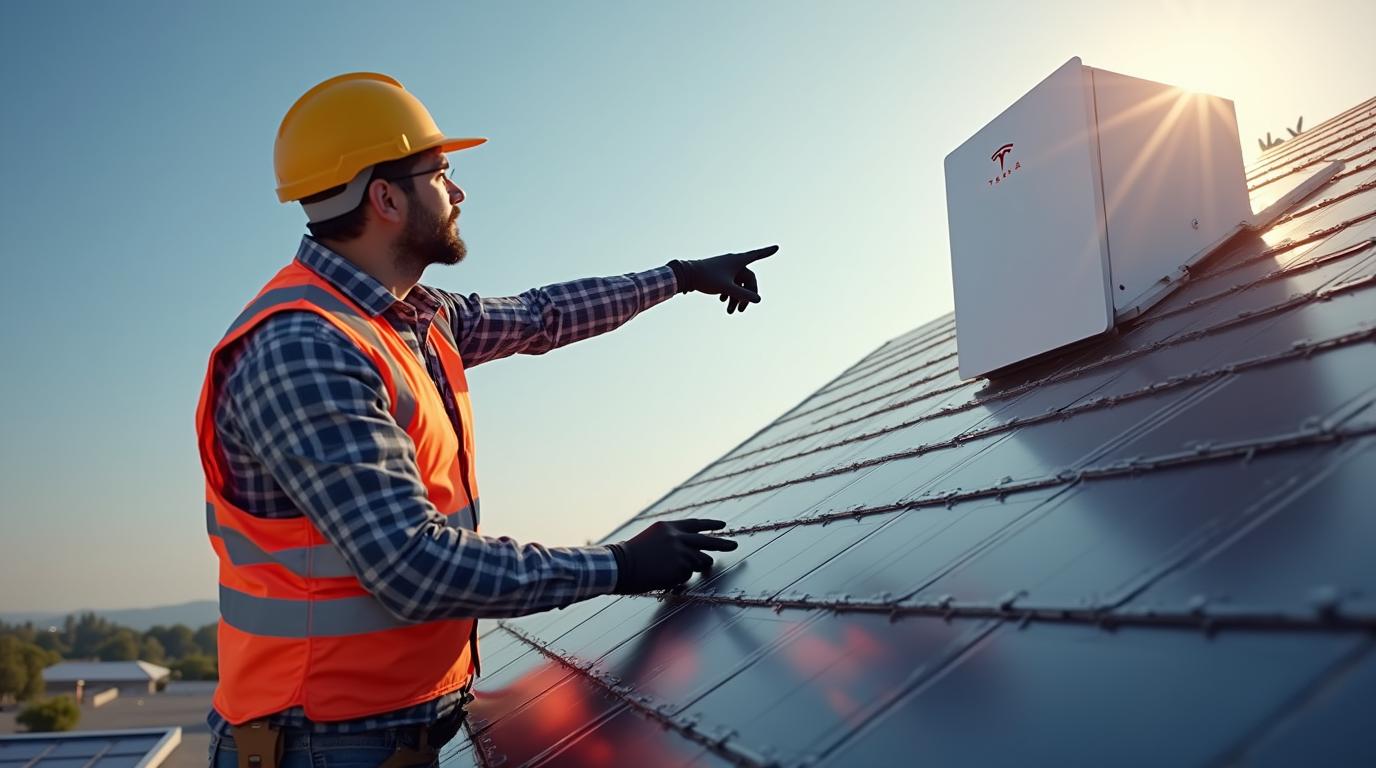
The Tesla Power Roof is not just solar panels on a roof. It is the roof itself. Traditional solar panels are mounted on top of existing shingles. The Power Roof replaces your shingles with durable glass tiles. Some of these tiles contain photovoltaic cells. These cells convert sunlight into electricity for your home. The system integrates a Tesla Powerwall battery. This battery stores excess energy for use at night or during outages. The result is a seamless, all-in-one energy solution. It protects your home from weather while powering it.
Key Components of the System
The system has three main parts. First are the solar glass tiles. They look like high-end slate or terracotta. Second is the Tesla Powerwall battery. It stores the solar energy you produce. Third is the Tesla Gateway. This is the brain of the system. It manages energy flow between the grid, your solar tiles, and the battery. All components work together through the Tesla app. You can monitor your energy production and usage in real time.
How It Differs From Traditional Solar
Traditional solar panel systems sit on racking above your shingles. This creates a two-layer system. The Power Roof is a single-layer system. The solar cells are embedded within the roofing material itself. This creates a sleek, low-profile appearance. There are no visible brackets or gaps. From the street, it looks like a beautiful, modern roof. Only up close can you see the subtle difference in the active tiles.
Technical Specifications and Performance
Understanding the technical details is crucial. Tesla claims their glass tiles are more durable than standard roofing. They have a Class 4 hail rating and can withstand winds up to 166 mph. The tempered glass is designed to last for decades. The solar tiles come in different styles. You can choose textured glass or smooth glass. The active solar tiles have an efficiency rating around 20-22%. This is competitive with premium solar panels. The system's power output depends on your roof size and sun exposure. A typical installation might range from 8 kW to 16 kW.
Energy Production and Storage
Your energy production depends on several factors. Roof pitch, orientation, and local climate all matter. Tesla provides detailed estimates during the consultation phase. The Powerwall battery is a key feature. A single Powerwall stores 13.5 kWh of energy. Most homes install two or more batteries. This storage lets you use solar power at night. It also provides backup power during grid outages. The system is designed for energy independence.
Durability and Warranty Coverage
Durability is a major selling point. Tesla offers strong warranty protection. The solar tiles come with a 25-year performance warranty. The weatherization warranty (for leaks) also lasts 25 years. The Powerwall battery has a 10-year warranty. It's important to read the warranty terms carefully. Some conditions apply, like proper maintenance. Always review the official Tesla warranty documents.
Real Cost Analysis: Installation and Long-Term Value
Cost is the biggest question for homeowners. The Tesla Power Roof is a premium product. It is more expensive than a traditional asphalt shingle roof. It is also more expensive than a roof plus separate solar panels. Prices vary based on roof complexity and energy needs. A complete system with multiple Powerwalls can cost $60,000 to $100,000 or more. However, you must consider the long-term value. The system replaces two major expenses: your roof and your electricity bill.
Breaking Down the Installation Costs
The cost includes several components. First is the roof removal and disposal of old materials. Second is the new solar tile installation. Third is the electrical work for the Powerwall and Gateway. Fourth are any necessary upgrades to your main electrical panel. Tesla provides an all-in-one quote. Financing options are available through Tesla or third-party lenders. The federal solar tax credit (ITC) can reduce your cost by 30%. Some states and utilities offer additional rebates. Check the Department of Energy's guide to tax credits.
Return on Investment and Payback Period
The payback period depends on your local electricity rates. In areas with high utility costs, the savings are greater. A typical payback period might be 10 to 15 years. After that, your electricity is essentially free. The system also adds to your home's resale value. Studies show solar homes sell faster and for more money. The National Renewable Energy Lab (NREL) has published research on solar home premiums. Consider it an upgrade like a renovated kitchen.
The Installation Process: A Contractor's Perspective
The installation process is complex. It requires coordination between roofers and electricians. Tesla uses their own certified installers or partners with local contractors. The process begins with a detailed home assessment. Tesla uses satellite imagery and drone flights to model your roof. They design a custom system for your energy needs. Once you approve the design, they schedule the installation. The old roof must be completely removed down to the decking.
Step-by-Step Installation Timeline
Day one involves setting up safety equipment and removing the old roof. The roof deck is inspected and repaired if needed. A waterproof underlayment is installed. Next, the non-solar Tesla tiles are installed around the edges. Then, the team places the active solar tiles in the sunniest sections. All tiles are wired together in a series. The electrical team installs the Powerwall batteries and Gateway. Finally, the system is connected to your home's electrical panel and the grid. The entire process can take one to two weeks.
Common Installation Challenges
From a contractor's view, challenges exist. Roof complexity is a major factor. Homes with many valleys, dormers, or skylights take longer. The system requires a strong roof structure. Older homes may need reinforcement. The electrical work must meet local National Electrical Code (NEC) standards. Permitting can be slow in some municipalities. Weather delays are also possible. A good installer will manage these issues proactively.
Material Comparison: Tesla Tiles vs. Traditional Roofing
Let's compare materials honestly. Traditional asphalt shingles cost $5 to $10 per square foot installed. They last 15 to 30 years. Metal roofing costs $10 to $20 per square foot and lasts 40+ years. Tesla's solar tiles cost significantly more upfront. But they combine roofing and energy generation. In terms of pure roofing material, the glass tiles are very durable. They are fire-resistant and impact-resistant. They won't curl, crack, or lose granules like asphalt.
Pros and Cons of Solar Shingles
- Pros: Beautiful, integrated appearance. High durability and long warranty. Produces clean energy. Increases home value. Provides backup power.
- Cons: Very high initial cost. Complex installation. Limited installer network. Technology is still evolving. Repair may require specialized technicians.
When Does a Tesla Roof Make Sense?
It makes the most sense in specific situations. First, if you need a new roof anyway. Combining the projects saves time and hassle. Second, if you live in an area with high electricity prices. Third, if you value energy independence and backup power. Fourth, if you plan to stay in your home for 10+ years. Fifth, if your roof has good, unobstructed southern exposure. If your roof is shaded by trees, the system may not be ideal.
Practical Homeowner Tips From Real Projects
Based on customer experiences, here is my advice. Get multiple quotes. Compare Tesla's quote with a traditional roof plus a separate solar panel system. Check your roof's structural integrity first. An engineer can tell you if it can support the tiles. Understand your utility's net metering policy. This policy dictates how you get credit for excess energy. Plan for the future. If you might add an electric car or pool, size your system larger now. Maintain your roof. Keep it clean of debris and have it inspected annually.
Insurance and Financing Considerations
Contact your homeowner's insurance provider before installing. You may need to increase your dwelling coverage. The system is a valuable part of your home. Some insurers offer discounts for hail-resistant roofing. Financing is a key decision. Explore loans, leases, and power purchase agreements (PPAs). The federal tax credit only applies if you own the system. Review all contracts carefully. Know what is covered by warranty versus what is a maintenance cost.
Frequently Asked Questions (FAQ)
Can I install a Tesla Roof on an existing roof?
No. The Tesla Power Roof is a complete roof replacement system. Your old roofing materials must be removed down to the deck. The solar tiles are installed directly onto the new underlayment. Installing over old shingles would void the warranty and create performance issues.
What happens during a power outage?
If you have a Powerwall battery, your home can stay powered. The Tesla Gateway automatically disconnects from the grid. It creates a personal microgrid using solar and battery power. Essential circuits in your home will remain on. How long it lasts depends on your battery capacity and energy usage.
How do I clean or maintain the solar tiles?
Maintenance is minimal. Rain usually cleans the glass tiles sufficiently. In dusty areas, you may need to rinse them with a garden hose. Avoid using abrasive cleaners or high-pressure washers. Have a professional inspect the roof and electrical connections every few years.
Are Tesla Roofs eligible for rebates and tax credits?
Yes. The system qualifies for the federal Investment Tax Credit (ITC). This credit is 30% of the total installed cost. Some states and local utilities offer additional incentives. Tesla's website has a tool to check incentives for your zip code. Always consult a tax professional.
What if a tile gets damaged by hail or a tree branch?
The tiles are designed to be very durable. If one is damaged, it can be replaced. Tesla or a certified installer must perform the replacement. The wiring connections are specific to the system. Your homeowner's insurance should cover damage from storms, similar to a traditional roof.
How does it affect my roof's warranty?
Your existing roof warranty becomes void when you remove the old roof. The Tesla Power Roof comes with its own 25-year warranty for weatherization and tile performance. It is crucial to use a certified installer to keep the warranty valid. Read all warranty documents thoroughly.
Can I expand the system later if I need more power?
Maybe. It depends on your initial design and roof layout. Adding more active tiles later can be complex and expensive. It's best to design for your future needs upfront. If you think you'll buy an electric vehicle or add a home addition, factor that into your initial energy calculation.
Real Project Case Studies and Outcomes
I followed the progress of two local homeowners who installed Tesla Roofs. The first was a family with a 1980s home needing a new roof. Their electricity bill averaged $300 per month. They installed a 12 kW system with two Powerwalls. The total cost was about $85,000. After the federal tax credit, their net cost was around $59,500. Their monthly electric bill dropped to just the utility connection fee ($15). They are on track to break even in about 12 years. They love the security of having backup power during Texas storms.
The second homeowner had a newer home but wanted energy independence. Their roof was in good condition, so the economics were harder to justify. They proceeded anyway due to strong environmental values. Their system cost over $100,000 due to a complex roof design. They are happy with the performance but admit the financial payback will take much longer. Their key takeaway: do it for the right reasons, not just for savings.
Industry Statistics and Future Outlook
The solar roofing market is growing. According to the Solar Energy Industries Association (SEIA), solar installations continue to set records. Building-integrated photovoltaics (BIPV), like solar shingles, are a small but fast-growing segment. Tesla is a major player, but competitors like GAF Energy with its Timberline Solar shingles are entering the market. This competition should lead to more options and potentially lower prices over time. The push for electrification and climate goals will drive adoption.
Step-by-Step Guide: How to Evaluate If It's Right For You
- Assess Your Roof: Is it near the end of its life? Does it have good sun exposure?
- Analyze Your Energy Bills: Look at your last 12 months of usage. High bills mean greater potential savings.
- Get a Quote: Use Tesla's online tool for an initial estimate. Then schedule a detailed home assessment.
- Compare Options: Get quotes for a traditional roof and a separate solar panel system.
- Check Incentives: Research federal, state, and local rebates and tax credits.
- Review Financing: Calculate monthly payments versus energy savings.
- Talk to Your Insurance Agent: Understand any changes to your policy.
- Check References: If possible, talk to other homeowners with Tesla Roofs.
- Make Your Decision: Weigh aesthetics, performance, cost, and your personal values.
Conclusion and Your Next Steps
The Tesla Power Roof is a revolutionary product. It beautifully merges form and function. It offers durability, energy production, and peace of mind. However, it is a significant financial investment. It is not the right choice for every homeowner or every budget. If you need a new roof and want solar, it's a compelling option. If your roof is fine, adding traditional panels may be more cost-effective. My final advice is to do your homework. Use the step-by-step guide in this article. Gather all the facts specific to your home. Talk to professionals you trust. The goal is to make a decision you feel confident about for years to come. Your roof is your home's first line of defense. Choose a solution that protects your investment and aligns with your goals.