
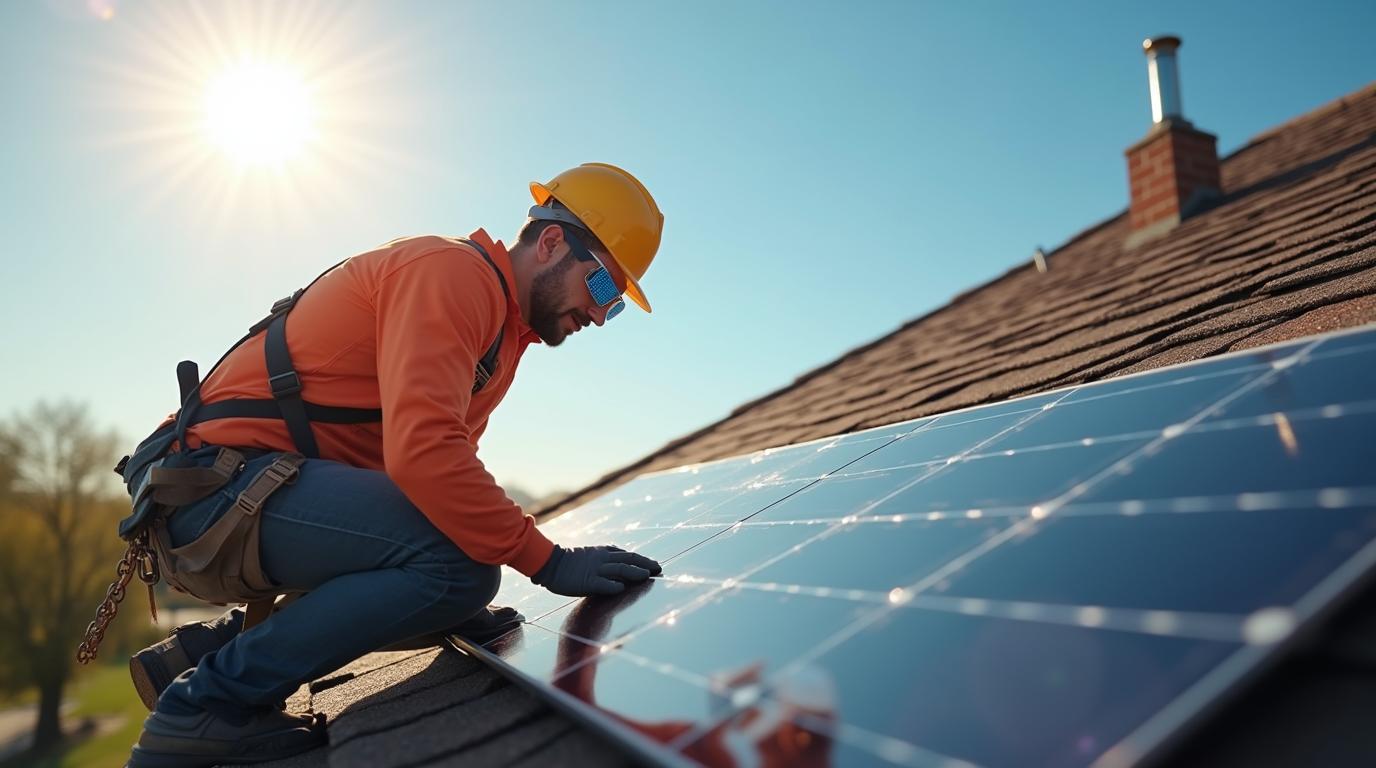
Tesla Slate Roof: A Roofer's Honest Guide to Solar Power & Protection
For over 15 years, I have installed and repaired thousands of roofs across Texas. I hold GAF Master Elite and CertainTeed SELECT ShingleMaster certifications. I have personally overseen more than 2,500 roofing projects. This experience gives me a practical view of roofing materials. Today, I want to share my honest perspective on the Tesla Slate Roof. This article exists because homeowners are confused. They hear about solar roofs but do not understand the real costs and benefits. My goal is to answer your practical questions. I want to help you decide if this product is right for your home and budget.
This guide is built from real customer consultations, hands-on product analysis, and industry data. I have reviewed Tesla's official specifications and warranty documents. I have spoken with homeowners who have installed the system. I have compared it to traditional asphalt shingles and metal roofs. My recommendations come from this research. I will explain the technology in simple terms. I will show you the real costs with project examples. I will give you practical tips from the field. My promise is transparency. I will share both the advantages and the challenges.
What is the Tesla Slate Roof? Understanding the Technology
The Tesla Slate Roof is a solar roofing system. It replaces your entire roof with durable tiles. Some tiles contain photovoltaic cells to generate electricity. Others are inactive but look identical. This creates a seamless, uniform appearance. The system is designed to look like premium slate roofing. It aims to combine solar power generation with high-end roofing protection.
Key Components and How They Work
The system has several main parts. The solar tiles capture sunlight and convert it to electricity. The inactive tiles provide weather protection and match the look. A power inverter changes the direct current (DC) electricity to alternating current (AC) for your home. The Tesla Powerwall battery is often included. It stores excess energy for use at night or during outages. All components connect to the Tesla app. This lets you monitor energy production and usage in real time.
The installation is complex. It requires removing your old roof completely. The new tiles mount to a special rail system on the roof deck. Electricians must wire each solar tile. The system integrates with your home's electrical panel. Proper installation is critical for performance and safety. It must follow the National Electrical Code (NFPA 70) and local building codes. A qualified Tesla Certified Installer must do the work.
Real Costs: Breaking Down the Investment with Examples
The cost is the biggest question from homeowners. The Tesla Slate Roof is a premium product. It is significantly more expensive than a traditional roof. Pricing depends on your roof size, complexity, and energy goals. Tesla provides estimates on their website after you submit your address. However, real-world projects often have additional costs.
Cost Factors and Project Comparisons
Several factors influence the final price. Your roof's square footage is the primary driver. Steep roofs or complex designs with many valleys cost more. The percentage of solar tiles versus inactive tiles changes the price. Adding more Powerwall batteries increases the cost. Local labor rates and permit fees vary by region. Existing roof damage or structural repairs will add to the bill.
Let's look at a real project example. A homeowner in Kingwood had a 2,500 square foot roof. They chose a system with 40% solar tile coverage. They also added one Powerwall. The total cost before incentives was approximately $75,000. A comparable traditional asphalt shingle roof with a separate solar panel system would cost about $45,000. The Tesla system was about $30,000 more. However, they qualified for the 30% federal solar tax credit. This brought their net cost down to around $52,500. Their monthly energy bill dropped by 85%.
Material Comparison: Tesla Slate vs. Traditional Roofing
Choosing a roof is a major decision. You need to compare materials fairly. The Tesla Slate Roof is not just shingles. It is an integrated energy system. Let's compare it to common roofing options.
Durability and Warranty
Tesla offers strong warranties. The weatherization layer (the roof's waterproofing) has a lifetime warranty. The solar tiles have a 25-year performance warranty. Tesla guarantees the tiles will generate at least 95% of their rated power for 5 years. They guarantee at least 85% for 25 years. This is similar to warranties from traditional solar panel manufacturers like SunPower. For comparison, premium asphalt shingles from GAF often come with 50-year limited warranties. A standing seam metal roof can last 50+ years with minimal maintenance.
Energy Production and Savings
This is where the Tesla system shines. It turns your roof into a power plant. The energy savings can offset the higher initial cost over time. The exact savings depend on your local electricity rates and sun exposure. In Texas, with high sun and moderate rates, payback periods are often 10-15 years. After that, you enjoy nearly free electricity for the life of the system. A traditional roof provides zero energy production. You would need to add separate solar panels for similar benefits.
The Installation Process: What Homeowners Should Expect
Installing a Tesla Slate Roof is a major construction project. It is not a quick weekend job. Understanding the process helps you prepare your home and family.
Step-by-Step Timeline from My Experience
The process typically follows these steps. First, you request a quote on Tesla's website. A Tesla advisor will contact you. They will create a preliminary design. Then, a site assessment is scheduled. A technician visits your home to take precise measurements. They check your roof structure and electrical panel. After this, you receive a final design and contract. Once you sign, the project moves to scheduling. The wait for installation can be several months.
Installation week arrives. The crew will set up safety equipment. They will protect your landscaping. Day one involves complete roof tear-off. All old shingles and underlayment are removed. The roof deck is inspected and repaired if needed. Next, the waterproof underlayment and rail system are installed. Then, the tiles go on. Electricians wire the system simultaneously. Finally, the Powerwall and inverter are installed and connected. The system is tested and activated. The entire process for an average home takes 1-2 weeks.
Practical Homeowner Tips from Real Projects
Based on my conversations with clients, here is my best advice. Do your homework before committing. Get multiple quotes for a traditional roof plus separate solar panels. Compare the total costs, warranties, and aesthetics. Check your homeowner's insurance policy. Some insurers have specific requirements for solar roofs. Contact them early. Understand your financing options. Tesla offers financing, but also check with local banks and credit unions.
Prepare your home for construction. Move vehicles out of the driveway. Secure pets inside. Cover items in your attic from dust. Talk to your neighbors about the noise and crew presence. Be present for the final walkthrough with the project manager. Ask questions. Test the monitoring app together. Keep all warranty documents and contracts in a safe place.
Frequently Asked Questions (FAQ)
How long does a Tesla Slate Roof last?
Tesla designs the Slate Roof to last for the lifetime of your home. The solar tiles have a 25-year performance warranty, but the structural roofing components are intended to last much longer, similar to a high-quality slate or tile roof. Proper maintenance is key to maximizing its lifespan.
Can it withstand Texas hail storms?
Tesla claims the tiles are tested for impact resistance. They meet UL 2218 Class 4 impact rating, which is the highest standard for hail resistance. This is the same rating earned by the toughest asphalt shingles. However, always document any storm damage and contact Tesla and your insurance company immediately for an inspection.
What happens if a tile breaks or stops working?
You must contact Tesla for service. Individual tiles can be replaced by a certified technician. The process involves removing the surrounding tiles to access the faulty one. This is why using a certified installer is crucial for future repairs under warranty.
Does it increase my home's value?
Yes, solar energy systems generally increase home value. Studies by the U.S. Department of Energy show buyers are willing to pay more for homes with solar. An integrated system like the Tesla roof may have additional appeal due to its aesthetics. Always check with a local real estate agent for market-specific data.
Is my roof a good candidate for this system?
The best candidates have roofs in good structural condition with minimal shading from trees. South-facing roof planes generate the most energy. Your electrical panel must have capacity for the new system. A Tesla site assessment will give you a definitive answer.
How do I clean or maintain it?
Tesla recommends cleaning the tiles periodically with water to remove dirt and debris that can reduce efficiency. You should have the system inspected annually, just like a traditional roof. Keep gutters clean to prevent water backup. Never walk on the roof yourself; hire a professional for any maintenance.
What about permits and HOA approval?
Tesla or your installer typically handles the building permit process. However, you are responsible for obtaining approval from your Homeowners Association (HOA). Many HOAs have rules about solar installations. Submit your plans early to avoid delays.
Real Project Case Study: The Johnson Family Home
The Johnson family lived in a 1980s home in The Woodlands. Their old asphalt roof was 25 years old and needed replacement. They wanted solar power but disliked the look of traditional panels. They chose the Tesla Slate Roof with 50% solar coverage and two Powerwalls. The project took 14 days from tear-off to activation. The total cost was $82,000. After the federal tax credit, their net investment was $57,400.
The outcome was positive. Their electric bill, which averaged $250 per month, dropped to just $15 per month for connection fees. The system also provided backup power during a brief grid outage. Aesthetically, the roof received compliments from neighbors. The main challenge was the long wait time from contract to installation, which was 7 months. Two years later, they remain satisfied with their decision.
Industry Statistics and Data
Solar roofing is a growing market. According to the Solar Energy Industries Association (SEIA), the U.S. solar market grew 55% in 2023. Roof-integrated photovoltaics, while a small segment, are seeing increased interest. A 2022 study by NREL (National Renewable Energy Laboratory) found that homes with solar sell for about 4% more than comparable homes without. Tesla does not publicly break out exact installation numbers, but they are a major player in the premium solar roof segment.
Step-by-Step Guide: How to Evaluate If It's Right For You
- Assess Your Needs: Why do you want a new roof? Is it for replacement, energy savings, aesthetics, or all three?
- Check Your Finances: Review your budget. Get pre-qualified for financing if needed. Calculate potential tax credits and rebates.
- Gather Quotes: Get a detailed quote from Tesla. Also, get at least two quotes for a premium traditional roof (like metal or slate) plus a separate solar panel system.
- Compare Holistically: Create a comparison chart. Include upfront cost, estimated energy savings, warranties, aesthetics, and project timeline.
- Verify Installer Credentials: If you proceed with Tesla, confirm your installer is Tesla-certified. Ask for local references and examples of past work.
- Plan for the Project: Once you sign a contract, start preparing your home and schedule. Communicate clearly with your installer.
Conclusion: Making an Informed Decision for Your Home
The Tesla Slate Roof is an innovative product. It combines durable roofing with clean energy generation. It offers a sleek, uniform look that many homeowners desire. The potential for significant energy savings is real. However, it comes with a high upfront cost and a complex installation process. It is not the right choice for every home or budget.
My final advice is to proceed with clear eyes. Use the information in this guide to ask the right questions. Compare all your options fairly. Think about your long-term goals for your home. If premium aesthetics and integrated technology are top priorities, and the budget allows, the Tesla Slate Roof is worth serious consideration. If upfront cost is the main concern, a traditional roof with add-on solar panels may be a better path. Your roof is your home's first line of defense. Choose the system that provides the protection, value, and peace of mind you deserve.