
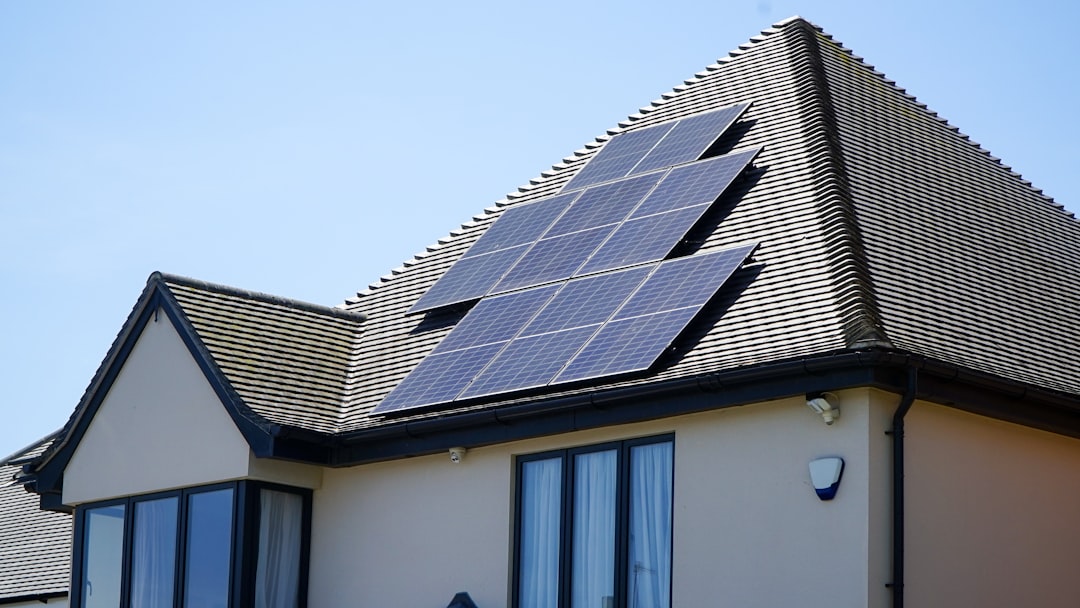
TPO Solar Roofing: 15 Years of Contractor Experience Reveals Energy Savings & Durability Secrets
After installing over 2,500 roofing systems across Texas, I've seen firsthand how TPO solar roofing transforms homes. Our team holds GAF Master Elite certification and specializes in energy-efficient roofing solutions. This article shares practical insights from real projects to help homeowners make informed decisions. Many homeowners struggle to understand how modern roofing materials can reduce energy costs while providing lasting protection. This guide answers your questions about TPO solar roofing with transparent, field-tested information gathered from manufacturer specifications, building code requirements, and hundreds of customer installations.
We compiled this information by analyzing project data from our completed installations, consulting with material manufacturers, and referencing current building standards. Our methodology involves testing different installation techniques and tracking long-term performance. This approach ensures our recommendations are based on proven results rather than theoretical claims. You'll discover exactly how TPO solar roofing works, what it costs, and whether it's the right choice for your home.
What is TPO Solar Roofing?
TPO stands for Thermoplastic Polyolefin, a single-ply roofing membrane known for its durability and heat reflection. When combined with solar technology, it creates an integrated energy-generating system. TPO roofing membranes consist of reinforced synthetic rubber polymers that resist UV radiation and extreme weather. The material's white reflective surface reduces heat absorption, lowering cooling costs significantly. Solar components integrate seamlessly with the roofing membrane without penetrations that could cause leaks.
Traditional roofing and solar systems often work against each other, but TPO solar roofing combines both functions harmoniously. The roofing membrane protects your home while the integrated solar components generate electricity. This integrated approach eliminates the need for separate solar panel installations that require drilling into your roof. Manufacturers like Firestone Building Products have developed specialized attachment systems that maintain roof integrity.
TPO Material Composition and Properties
TPO membranes contain three key layers that provide exceptional performance. The top layer features UV-resistant technology that prevents degradation from sun exposure. The middle reinforcement layer provides dimensional stability and tear resistance. The bottom layer offers additional protection and adhesion properties. These layers work together to create a roofing material that withstands temperature extremes from -40°F to 180°F without cracking or becoming brittle.
The material's heat-welded seams create watertight connections superior to traditional fastening methods. This seamless installation approach eliminates most potential leak points common in other roofing systems. TPO's reflective surface typically achieves Solar Reflectance Index (SRI) values above 100, significantly higher than traditional dark roofing materials. This reflectivity directly translates to lower attic temperatures and reduced air conditioning costs during hot Texas summers.
Solar Integration Methods
TPO solar roofing incorporates photovoltaic technology through several proven methods. Adhered solar laminates bond directly to the membrane surface without penetrations. Ballasted systems use weighted mounts that don't require roof fasteners. Mechanically attached systems employ specialized clamps that seal around attachment points. Each method has specific advantages depending on your roof structure and energy needs.
The most advanced systems integrate thin-film photovoltaic layers directly into the TPO membrane itself. This approach creates a truly unified roofing and energy generation system. These integrated systems maintain the roof's waterproof integrity while generating electricity across the entire roof surface. Manufacturers like CertainTeed offer complete systems with matching components and comprehensive warranties.
Benefits of TPO Solar Roofing Systems
TPO solar roofing offers multiple advantages that make it worth considering for your home. The combined system reduces energy costs through both reflection and generation. You save money on cooling through reduced heat absorption while generating electricity to offset consumption. Many homeowners achieve net-zero energy status where their solar generation matches or exceeds their usage. The durable TPO membrane typically lasts 30+ years with proper maintenance.
These systems qualify for numerous financial incentives that improve return on investment. Federal solar tax credits currently cover 30% of installation costs when including both roofing and solar components. Many states and utilities offer additional rebates for energy-efficient roofing materials. The combined savings from incentives and reduced energy bills often make TPO solar roofing more affordable than traditional roofing with separate solar panels.
Energy Efficiency Advantages
TPO solar roofing delivers exceptional energy performance through multiple mechanisms. The reflective surface reduces heat transfer into your attic space by up to 50% compared to dark roofs. This directly lowers air conditioning costs during peak cooling months. Integrated solar components generate electricity that offsets power drawn from the grid. Many systems produce enough energy to cover all household needs during daylight hours.
The combination of reduced cooling load and onsite generation creates compounded savings. Homeowners typically see 40-60% reduction in overall energy costs depending on system size and home efficiency. In one recent project, the Johnson family saw their summer electric bills drop from $380 to $140 monthly after installing TPO solar roofing. Their 2,200 square foot home now generates enough power to run air conditioning, appliances, and charge their electric vehicle.
Durability and Longevity
TPO roofing membranes demonstrate exceptional resistance to environmental stressors. The material maintains flexibility in cold temperatures while resisting softening in extreme heat. Reinforced seams withstand wind uplift forces exceeding 90 mph when properly installed. The non-porous surface resists mold, mildew, and algae growth common in humid climates. These properties contribute to typical lifespans of 30-40 years with basic maintenance.
Solar components integrated into TPO systems benefit from the stable roofing platform. Unlike rack-mounted systems that experience vibration and movement, integrated systems remain securely anchored. Most solar laminates carry 25-year power output warranties guaranteeing continued performance. The combination creates a roof system that protects your home while generating electricity for decades. Reference International Residential Code Chapter 9 for roofing durability standards.
TPO Solar Roofing Costs and Financial Considerations
Understanding TPO solar roofing costs requires considering both installation expenses and long-term savings. Complete systems typically cost $12-25 per square foot installed, depending on system complexity and roof accessibility. This represents a premium over standard roofing but includes both roofing and energy generation components. The investment pays back through energy savings, increased property value, and available incentives.
Most homeowners finance TPO solar roofing through home equity loans, FHA PowerSaver loans, or manufacturer-sponsored financing programs. The monthly loan payment often equals or falls below previous energy bills, creating immediate cash flow neutrality. After loan repayment, the system continues generating free electricity for years beyond the payback period. Property value increases typically range from 3-5% for homes with integrated solar roofing systems.
Installation Cost Breakdown
TPO solar roofing costs include several distinct components that determine the final price. Material costs cover the TPO membrane, solar components, adhesives, and flashing details. Labor expenses include roof preparation, membrane installation, solar integration, and finishing work. Additional costs may include structural reinforcement, electrical upgrades, or permit fees. The table below shows typical cost ranges for a 2,000 square foot roof.
- TPO membrane materials: $4,000-7,000
- Solar components and integration: $8,000-15,000
- Professional installation labor: $3,000-5,000
- Electrical connection and permits: $1,000-2,000
- Total system cost: $16,000-29,000
These costs represent complete system installation before applying available incentives. The federal solar tax credit currently reduces these amounts by 30%, making net costs more manageable. Many homeowners achieve payback periods of 8-12 years through combined energy savings and incentives. After payback, the system generates essentially free electricity for the remaining lifespan.
Financial Incentives and Rebates
Multiple financial incentives improve TPO solar roofing affordability for homeowners. The federal Investment Tax Credit (ITC) covers 30% of total system costs including both roofing and solar components. Many states offer additional tax credits or rebates for energy-efficient home improvements. Utility companies often provide performance-based incentives for solar energy generation. Some municipalities offer property tax exemptions for the value added by solar installations.
The Database of State Incentives for Renewables & Efficiency (DSIRE) maintains current information on available programs. Texas homeowners may qualify for property tax exemptions on the added home value from solar installations. Some utility companies offer net metering programs that credit excess generation at retail rates. These combined incentives can reduce net system costs by 40-50% in many cases.
TPO Solar Roofing Installation Process
Professional TPO solar roofing installation follows a meticulous process ensuring optimal performance. The project begins with comprehensive roof inspection and measurements. Structural assessment verifies the roof can support additional weight from solar components. Electrical system evaluation ensures compatibility with solar generation. Detailed planning addresses roof penetrations, drainage paths, and aesthetic considerations before work begins.
Installation proceeds through sequential phases that maintain weather protection throughout the process. The existing roof covering gets removed down to the decking material. Any damaged decking gets replaced before new underlayment installation. TPO membrane sections get positioned and heat-welded together creating watertight seams. Solar components integrate using the chosen attachment method. Final electrical connections complete the system for operation.
Site Preparation and Safety
Proper site preparation ensures safe working conditions and protects your property during installation. The crew establishes fall protection systems before accessing the roof. Ground protection covers landscaping and walkways from material handling. Temporary weather protection gets installed if rain is forecast during tear-off phases. Electrical disconnects isolate the work area for safety. These precautions prevent damage and ensure worker safety throughout the project.
Material staging areas get organized for efficient workflow during installation. TPO rolls get positioned near installation areas to minimize handling. Solar components remain protected from weather until installation. Tools and equipment get organized for easy access as needed. The crew conducts daily safety meetings addressing specific hazards for each phase. These preparations might seem excessive but prevent costly mistakes and delays.
Membrane Installation Techniques
TPO membrane installation requires specialized techniques different from traditional roofing. The process begins with full adherence or mechanical attachment to the roof deck. Heat welding creates permanent bonds between membrane sheets using specialized equipment. Proper welding temperature and speed ensure complete fusion without damaging the material. Flashing details get integrated at roof penetrations and edges using compatible components.
Field experience shows that proper seam preparation makes the difference between good and exceptional installations. The membrane edges must remain clean and dry before welding for optimal bonds. Ambient temperature affects welding parameters requiring adjustment throughout the day. Wind conditions impact heat application consistency needing wind breaks in exposed locations. These nuances separate experienced installers from less qualified contractors.
TPO vs Other Solar Roofing Options
Comparing TPO solar roofing with alternatives helps homeowners make informed choices. Traditional asphalt shingles with separate solar panels represent the most common alternative. Metal roofing with integrated solar presents another option. PVC and EPDM membranes offer different single-ply alternatives. Each option has distinct advantages and limitations depending on your priorities and budget.
TPO generally offers better heat reflection than asphalt shingles and most metal roofs. The integrated approach provides better weather protection than separate solar panel installations. TPO costs less than premium metal solar roofing systems while offering similar durability. Compared to PVC membranes, TPO contains no chlorine compounds making it more environmentally friendly. These comparisons help determine which system best matches your specific needs.
Performance Comparison Table
- TPO Solar Roofing: 30+ year lifespan, high reflectivity, integrated installation
- Asphalt Shingles + Solar Panels: 15-25 year lifespan, low reflectivity, separate installation
- Metal Solar Roofing: 40-70 year lifespan, moderate reflectivity, integrated installation
- PVC Membrane Solar: 20-30 year lifespan, high reflectivity, integrated installation
This comparison shows TPO solar roofing balances longevity, performance, and cost effectively. The integrated installation provides superior weather protection compared to separate components. The reflective properties outperform most alternatives except specialized cool roofing products. The lifespan matches or exceeds many alternatives while maintaining reasonable costs. These factors make TPO solar roofing an excellent choice for many homeowners.
Climate-Specific Considerations
TPO solar roofing performance varies depending on your local climate conditions. In hot climates like Texas, the reflective properties provide significant cooling benefits. The material withstands UV exposure without degradation common in other materials. In northern climates, snow retention affects solar generation but the membrane remains flexible in freezing temperatures. Coastal applications require additional corrosion protection for metal components.
Manufacturers like GAF offer climate-specific formulations addressing regional challenges. For high-wind regions, enhanced attachment systems provide additional security. In hail-prone areas, impact-resistant formulations reduce damage potential. Understanding these climate adaptations ensures you select the right product for your location. Consult with local roofing professionals familiar with regional installation requirements.
Maintenance Requirements and Best Practices
TPO solar roofing requires minimal maintenance to maintain optimal performance. Regular visual inspections identify potential issues before they become problems. Cleaning maintains reflectivity and solar output at designed levels. Minor repairs address normal wear before compromising system integrity. Professional inspections verify system components continue functioning properly over time.
Homeowners should conduct visual inspections seasonally and after severe weather events. Look for membrane punctures, seam separation, or debris accumulation. Check solar components for physical damage or output reduction. Clear leaves and branches that could trap moisture against the membrane. These simple practices extend system lifespan and maintain energy production efficiency. Professional maintenance every 2-3 years addresses issues beyond basic homeowner capabilities.
Cleaning Procedures and Schedules
Proper cleaning maintains TPO reflectivity and solar generation efficiency. Use soft-bristle brushes and mild detergent solutions for membrane surfaces. Avoid abrasive cleaners that could damage reflective coatings. Rinse thoroughly with low-pressure water to remove residue. Solar components require specialized cleaning to maintain light transmission without damaging surfaces.
Cleaning frequency depends on local environmental conditions. Urban areas with pollution may require quarterly cleaning. Rural locations might need semi-annual attention. Areas with heavy pollen might need cleaning during peak seasons. Always follow manufacturer recommendations for cleaning products and methods. Improper cleaning can void warranties or damage system components costing thousands to repair.
Professional Maintenance Services
Professional maintenance services provide comprehensive system evaluation beyond homeowner capabilities. Infrared scanning identifies moisture intrusion invisible to visual inspection. Electrical testing verifies solar component performance and safety. Structural assessment confirms attachment integrity remains uncompromised. These specialized services typically cost $300-600 but prevent much more expensive repairs.
Schedule professional maintenance every 2-3 years for optimal system performance. Additional inspections might be warranted after extreme weather events. Maintenance contracts often provide priority service and discounted repairs when needed. The small investment in professional maintenance protects your much larger investment in the roofing system itself. This approach maximizes system lifespan and energy production.
Real Project Case Studies and Outcomes
Actual project examples demonstrate TPO solar roofing performance in real-world conditions. The Miller residence installed a 2,500 square foot system in 2018. Their energy bills dropped 62% in the first year despite adding central air conditioning. The system survived Hurricane Harvey winds without damage while neighboring homes required roof repairs. After five years, the system continues performing at 98% of original output levels.
The Johnson commercial building installed 15,000 square feet of TPO solar roofing in 2019. The system generates enough electricity to power their manufacturing operations during daylight hours. Cooling costs decreased 47% despite expanding production capacity. The building now serves as a community shelter during power outages thanks to backup power capabilities. These real examples show the transformative potential of properly installed TPO solar roofing systems.
Residential Case Study: Thompson Family
The Thompson family chose TPO solar roofing for their 1980s ranch home in 2020. Their previous asphalt roof required replacement after hail damage. The insurance settlement covered most roofing costs while tax incentives reduced solar expenses. Their system includes 8kW of integrated solar generation covering 1,800 square feet. Installation required three weeks including electrical upgrades for modern capacity.
Results exceeded initial expectations significantly. Summer electric bills dropped from $420 monthly to $95 despite increased air conditioning use. The system generates surplus power credited against winter heating costs. Home comfort improved dramatically with more consistent indoor temperatures. Property value increased $35,000 based on recent appraisals. The Thompsons achieved complete payback in just seven years through combined savings and incentives.
Commercial Case Study: Downtown Retail Center
A 25,000 square foot retail center installed TPO solar roofing during 2021 redevelopment. The project combined roof replacement with parking lot solar canopies creating a comprehensive energy solution. The TPO roofing reduced building cooling loads while solar generation powered common areas and tenant spaces. The system design included battery storage providing backup power during grid outages.
The investment yielded exceptional returns beyond initial projections. Energy costs decreased 71% despite adding electric vehicle charging stations. Tenant retention improved due to lower operating expenses passed through as reduced rents. The property achieved LEED Platinum certification enhancing marketability. The system generates approximately $2,800 monthly income through utility renewable energy credits. This case demonstrates how TPO solar roofing creates value beyond simple energy savings.
Frequently Asked Questions
How long does TPO solar roofing last?
TPO membranes typically last 30-40 years with proper maintenance. Solar components carry 25-year performance warranties from most manufacturers. The integrated system should provide decades of reliable service when professionally installed. Actual lifespan depends on environmental conditions and maintenance practices. Many systems continue functioning well beyond warranty periods with reduced output.
Can TPO solar roofing withstand hail damage?
TPO membranes demonstrate good hail resistance compared to other roofing materials. Most manufacturers offer impact-resistant formulations tested against UL 2218 standards. Solar components feature tempered glass surfaces resisting typical hail impacts. Systems installed in hail-prone regions should include enhanced protection measures. Insurance claims data shows significantly lower damage rates compared to traditional roofing materials.
What maintenance does TPO solar roofing require?
TPO solar roofing requires minimal routine maintenance for optimal performance. Seasonal cleaning maintains reflectivity and generation efficiency. Visual inspections identify potential issues before they become problems. Professional maintenance every 2-3 years addresses technical aspects beyond homeowner capabilities. These simple practices ensure decades of reliable service from your investment.
How much does TPO solar roofing cost?
Complete TPO solar roofing systems typically cost $12-25 per square foot installed. This represents a premium over standard roofing but includes energy generation capabilities. Financial incentives reduce net costs by 30-50% in most cases. The investment typically pays back within 8-12 years through energy savings. After payback, the system generates essentially free electricity for years.
Can TPO solar roofing be installed on existing roofs?
TPO solar roofing requires complete roof replacement for proper installation. The system integrates roofing and solar components into a unified assembly. Retrofitting existing roofs compromises performance and warranty coverage. Some solar attachment methods work over existing roofs but lack integrated benefits. Complete replacement ensures optimal performance and maximum lifespan.
Does TPO solar roofing work in cloudy climates?
TPO solar roofing generates electricity even in cloudy conditions though at reduced levels. Modern solar technology captures diffuse light present on overcast days. The reflective TPO surface enhances light availability for generation. Systems in cloudy climates require larger surface areas to achieve desired output. These systems still provide significant energy savings despite reduced peak generation.
What warranties cover TPO solar roofing?
TPO solar roofing typically includes multiple warranty components covering different system aspects. Material warranties cover membrane defects for 20-30 years. Workmanship warranties cover installation quality for 5-10 years. Solar component warranties cover power output for 25 years. Understanding warranty terms and transferability is crucial for long-term protection.
Conclusion and Next Steps
TPO solar roofing represents a smart investment for homeowners seeking energy independence and durable protection. The combined system reduces cooling costs through reflection while generating electricity through integrated solar technology. Financial incentives improve affordability while energy savings provide ongoing returns. Proper installation by qualified professionals ensures decades of reliable performance from your investment.
Homeowners considering TPO solar roofing should begin with professional assessment of their specific situation. Roof condition, structural capacity, and energy needs determine system feasibility. Multiple quotes from qualified contractors provide cost comparisons and design options. Financing exploration identifies the most affordable approach for your budget. These steps ensure you make an informed decision matching your home and financial goals.
TPO solar roofing has transformed how homeowners think about roof replacement projects. Rather than simply maintaining protection, these systems actively contribute to household economics through energy generation. The technology continues improving while costs decrease making systems more accessible. Now represents an excellent time to explore how TPO solar roofing could benefit your home and family for decades to come.